


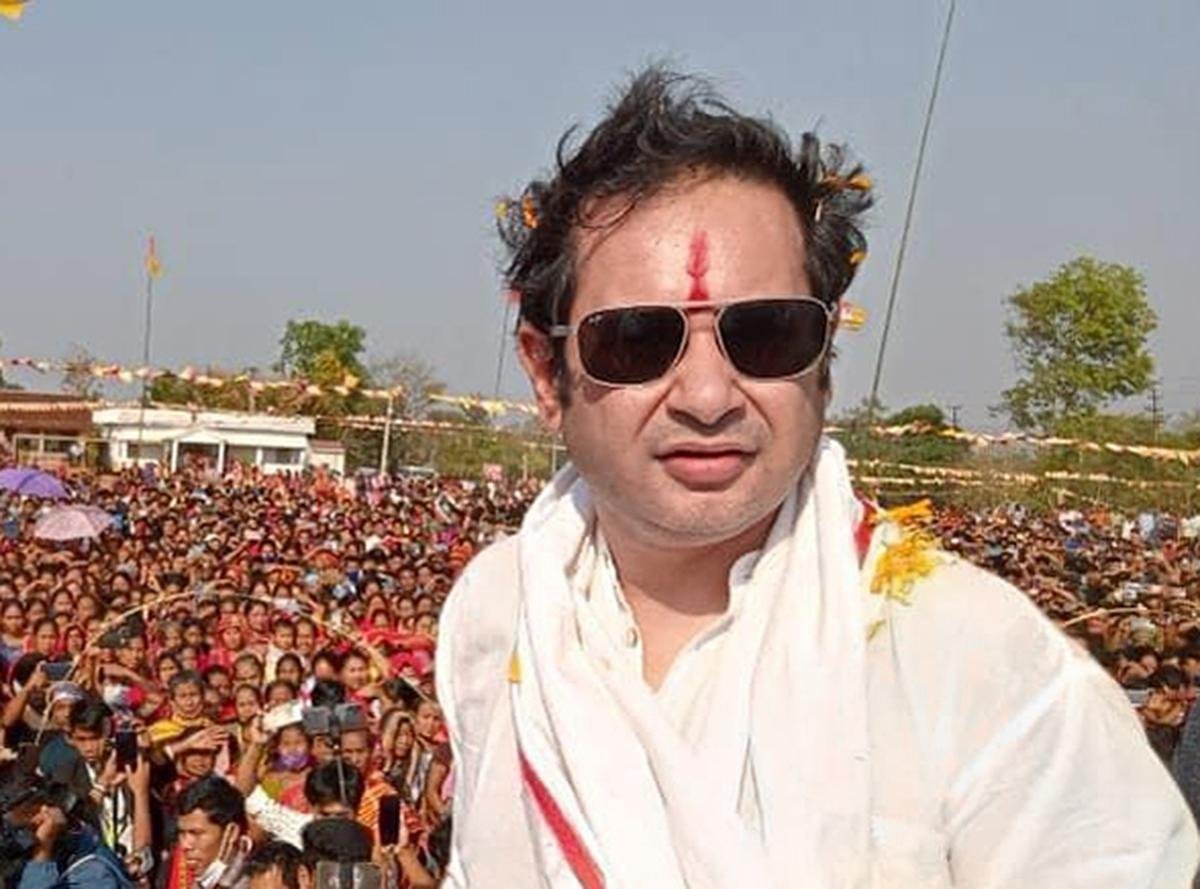
The TIPRA Motha Tribal Criticism debate has gained momentum in Tripura’s Autonomous District Council (ADC) areas as sections of the tribal population publicly question the progress of key political commitments. Concerns have been raised regarding promises linked to the Greater Tipraland movement, constitutional safeguards for indigenous communities, and the proposed formation of a separate ADC police force. Moreover, the developments have sparked renewed discussions about governance, representation, and the future direction of tribal politics in the state.
Nagaland Census Outreach Campaign Begins Ahead of Statewide Self-Enumeration
Major NIA Bishalgarh Raids Target Smuggling Networks
TIPRA Motha Tribal Criticism Emerges in ADC Regions
The TIPRA Motha Tribal Criticism issue has become a prominent topic of discussion across several Autonomous District Council areas in Tripura. Sections of the tribal population have voiced concerns regarding the implementation of promises made during previous political campaigns and public engagements.
Moreover, the criticism reflects growing expectations among community members who seek tangible progress on issues considered important to indigenous rights and regional governance.
Questions Raised Over Greater Tipraland Movement
One of the primary concerns expressed by critics relates to the Greater Tipraland movement. Consequently, some tribal groups have questioned the pace of developments associated with the initiative and its long-term objectives.
Additionally, the movement has remained a major political issue in Tripura’s tribal regions, attracting significant public attention and debate. Supporters view it as an important platform for addressing indigenous aspirations.
Constitutional Safeguards Under Discussion
Constitutional safeguards for tribal communities have also emerged as a key issue within the TIPRA Motha Tribal Criticism debate. Therefore, community members are seeking clarity regarding measures intended to strengthen protections for indigenous populations.
Furthermore, constitutional safeguards often play a central role in discussions concerning cultural preservation, political representation, and community rights. These topics continue to influence public discourse across tribal regions.
Separate ADC Police Force Remains a Major Concern
The proposed establishment of a separate ADC police force has become another focal point of public discussion. Consequently, critics have questioned the status of the proposal and its progress since it was first highlighted in political conversations.
Moreover, supporters of the idea argue that specialized security arrangements could address local administrative concerns more effectively. The proposal remains a subject of ongoing debate among stakeholders.
Tribal Communities Seek Greater Accountability
The TIPRA Motha Tribal Criticism reflects broader demands for accountability from political leaders and organizations. Therefore, community members have increasingly sought updates on commitments and policy initiatives that directly affect their interests.
Additionally, public accountability is often viewed as an essential component of democratic governance. Citizens frequently expect elected representatives and political leaders to provide regular information regarding policy progress.
Political Dynamics in the ADC Areas
The Autonomous District Council areas remain politically significant within Tripura. Consequently, developments in these regions often influence broader political discussions throughout the state.
Furthermore, tribal issues, governance structures, and community aspirations continue to shape political priorities in the ADC areas. These factors contribute to heightened public engagement on policy matters.
Public Expectations Continue to Rise
Expectations among tribal communities have increased as discussions regarding indigenous rights and development initiatives have gained prominence. Therefore, political organizations face growing pressure to demonstrate measurable outcomes.
Moreover, public expectations often evolve alongside political commitments, making effective communication and policy implementation increasingly important for maintaining support.
Leadership Faces Renewed Scrutiny
The current debate has placed political leadership under greater public scrutiny. Consequently, community members and observers are closely monitoring responses to concerns raised in recent discussions.
Additionally, political leaders frequently encounter increased scrutiny when major policy goals become central to public debate. Constructive engagement with stakeholders can help address emerging concerns.
Dialogue Seen as Essential for Progress
Many observers believe that continued dialogue between political representatives and community groups will be important in addressing concerns. Therefore, engagement and communication remain critical tools for managing differences and building consensus.
Furthermore, dialogue can help clarify policy objectives, address misunderstandings, and strengthen trust between leaders and the communities they represent.
Future of Tribal Politics Remains a Key Focus
The TIPRA Motha Tribal Criticism is expected to influence discussions about the future of tribal politics in Tripura. Meanwhile, community leaders, political organizations, and stakeholders continue to evaluate the path forward.
Moreover, issues related to governance, constitutional protections, and regional aspirations are likely to remain central themes in future political debates within the state.
Conclusion
The TIPRA Motha Tribal Criticism emerging from Tripura’s Autonomous District Council areas reflects growing public attention toward key political commitments and governance issues. Questions surrounding the Greater Tipraland movement, constitutional safeguards, and the proposed ADC police force have become important topics of discussion among sections of the tribal population. These concerns highlight the expectations many communities have regarding the implementation of promises linked to indigenous rights and regional development.
Moreover, the debate underscores the importance of accountability and effective communication in democratic politics. Community members increasingly seek transparency regarding policy initiatives and progress on commitments that directly affect their future. Addressing such concerns through engagement and dialogue can help strengthen trust and foster constructive relationships between political leaders and the public.
Furthermore, the developments demonstrate the evolving nature of tribal politics in Tripura. As discussions continue, stakeholders will likely focus on finding solutions that address community aspirations while promoting stability and development. Overall, the TIPRA Motha Tribal Criticism serves as an important indicator of the issues shaping public discourse and political priorities within the state’s tribal regions.
FAQs
Q1. What is the TIPRA Motha Tribal Criticism about?
The TIPRA Motha Tribal Criticism involves concerns raised by sections of the tribal population regarding promises linked to Greater Tipraland, constitutional safeguards, and an ADC police force.
Q2. Which areas are primarily affected by the debate?
The discussion is mainly taking place in Tripura’s Autonomous District Council (ADC) areas, where tribal communities form a significant population.
Q3. What is the Greater Tipraland movement?
The Greater Tipraland movement is a political initiative focused on addressing the aspirations and interests of indigenous communities in Tripura.
Q4. Why is the ADC police force proposal important?
Supporters believe a separate ADC police force could address local administrative and security concerns within tribal regions more effectively.
Q5. How might the TIPRA Motha Tribal Criticism affect future politics?
The TIPRA Motha Tribal Criticism could influence public debate, political accountability, and discussions regarding tribal governance and representation in Tripura.