


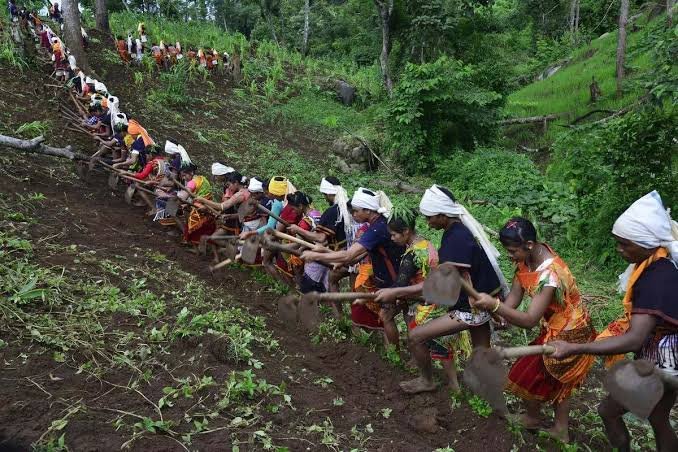
The Nagaland Logging Ban has gained renewed attention as the state’s Forest Ministry tightened enforcement against illegal logging in environmentally fragile hill tracts. The move responds to growing environmental concerns and aims to protect forests, prevent degradation, and strengthen compliance with existing restrictions.
The Nagaland Logging Ban update highlights the state’s efforts to protect vulnerable forest landscapes from unauthorized tree felling. According to the available information, the Forest Ministry has strengthened measures to curb illegal logging in areas where ecological damage could create wider environmental risks.
Nagaland’s mountainous terrain makes forest conservation particularly important. Moreover, forests help stabilize slopes, regulate water flows, protect biodiversity, and support communities that depend on natural resources.
The latest action comes amid broader environmental debates over land use and forest protection. Therefore, stronger enforcement could play an important role in preserving fragile ecosystems while ensuring that forestry regulations remain effective.
The move also emphasizes the importance of balancing development needs with environmental protection. Additionally, stronger monitoring can help authorities identify unauthorized activities and protect vulnerable forest areas.
Assam Displacement Crisis: Over 1.6 Lakh Residents Remain in Relief Camps Across 14 Districts
Nagaland Logging Ban Strengthens Forest Protection
The Nagaland Logging Ban focuses on preventing illegal tree felling across fragile hill tracts. According to the available information, the Forest Ministry has tightened enforcement measures in response to environmental concerns.
Moreover, uncontrolled logging can reduce forest cover and increase pressure on fragile landscapes. Consequently, protecting forested slopes can help reduce environmental risks associated with soil erosion and habitat loss.
Forests also support biodiversity and contribute to local ecological stability. Furthermore, maintaining healthy forest cover can help protect watersheds and regulate water availability in mountainous areas.
The available information confirms that the Forest Ministry has strengthened its ban enforcement. However, it does not provide details regarding the number of enforcement teams, specific hill tracts covered, penalties imposed, or recent illegal logging cases.
Forest Ministry Intensifies Enforcement Under Nagaland Logging Ban
The Nagaland Logging Ban reflects a stronger administrative focus on preventing unauthorized logging. Forest officials can use monitoring and enforcement measures to identify activities that violate existing restrictions.
Additionally, effective enforcement requires cooperation between forest personnel, local communities, and district authorities. This coordinated approach can improve monitoring across remote and difficult-to-access hill areas.
Officials may also need to strengthen awareness among residents and resource users regarding applicable forest regulations. Meanwhile, community participation can support long-term conservation by encouraging responsible management of local forest resources.
The available information does not specify whether the tightened measures include new penalties, additional checkpoints, satellite monitoring, or increased field patrols. Therefore, the current update focuses on the strengthened enforcement of the existing logging restrictions.
Further announcements may provide details about enforcement outcomes and additional conservation measures.
Nagaland Logging Ban Highlights Environmental Protection Priorities
The Nagaland Logging Ban highlights the importance of protecting fragile hill ecosystems from unsustainable resource extraction. Forest conservation can provide environmental benefits that extend beyond individual forest areas.
Moreover, healthy forests help stabilize slopes and protect biodiversity. Consequently, preventing illegal logging can contribute to broader environmental resilience across Nagaland’s mountainous regions.
The debate surrounding logging also reflects the need to consider the livelihoods of communities that depend on forest resources. Similarly, conservation policies can benefit from community participation and sustainable alternatives that reduce pressure on natural forests.
Effective forest management requires long-term monitoring rather than temporary enforcement campaigns. Therefore, the Nagaland Logging Ban could become part of a wider strategy involving forest restoration, community participation, and stronger environmental oversight.
As enforcement continues, authorities may release additional information regarding illegal logging cases and the condition of protected forest areas.
Conclusion
The Nagaland Logging Ban has gained renewed importance as the Forest Ministry tightened enforcement against illegal logging in fragile hill tracts. The move aims to strengthen forest protection and address growing environmental concerns.
Furthermore, continued monitoring and cooperation with local communities will remain essential for protecting Nagaland’s forest ecosystems. Strong enforcement, environmental awareness, and sustainable resource management can work together to reduce pressure on vulnerable landscapes.
Overall, the Nagaland Logging Ban highlights the importance of protecting fragile forests while balancing conservation priorities with the needs of local communities.
FAQs
1. What is the latest Nagaland Logging Ban update?
The Nagaland Logging Ban update confirms that the Forest Ministry has tightened enforcement against illegal logging in fragile hill areas.
2. Why has Nagaland strengthened the logging ban?
The move responds to environmental concerns and aims to protect vulnerable forest ecosystems from unauthorized tree felling.
3. Why are forests important in Nagaland’s hill tracts?
Forests help stabilize slopes, protect biodiversity, regulate water flows, and support local ecosystems.
4. Does the tightened ban introduce new penalties?
The available information does not specify whether authorities have introduced new penalties or changes to existing enforcement rules.
5. Will local communities be involved in forest protection?
Community participation can support effective forest conservation, although the available information does not specify new community-based programs linked to the tightened ban.