


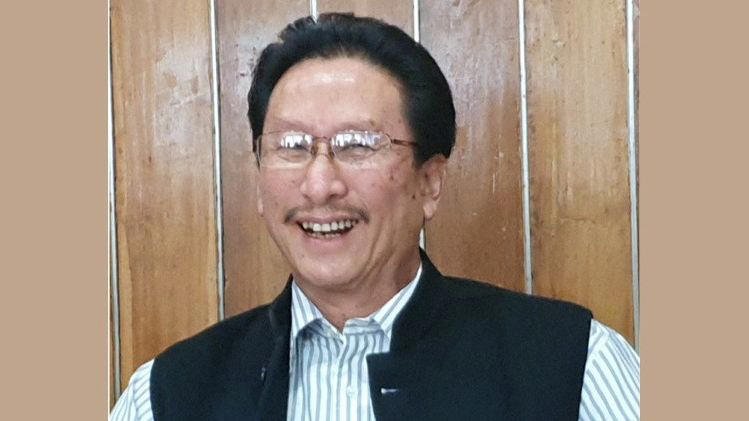
A senior Nagaland minister has called for greater unity and consensus among stakeholders involved in the Naga political issue, warning that growing divisions could hinder efforts toward achieving a lasting and honorable solution. The minister emphasized the importance of collective understanding, dialogue, and cooperation, stating that the aspirations of the Naga people can only be effectively addressed through a unified approach.
The remarks come at a time when discussions surrounding the long-standing Naga political issue continue to occupy a central place in public and political discourse across Nagaland and neighboring regions. The minister expressed concern that differences in opinion among various groups could weaken the broader objective of securing a peaceful and widely acceptable resolution.
The appeal for consensus has resonated with many observers who believe that unity among stakeholders remains crucial for advancing the peace process and ensuring long-term stability in the region. The minister stressed that the future of the Naga people should take precedence over political differences and competing interests.
Call for Unity Among Stakeholders
Addressing a public gathering, the minister highlighted the need for all sections of Naga society to work together in pursuit of a common goal. He noted that while differing perspectives are natural in any democratic society, excessive fragmentation could complicate efforts to achieve meaningful progress.
According to the minister, the Naga political issue is not merely a matter for political organizations or negotiating groups but concerns the aspirations and future of the entire Naga community. Therefore, all stakeholders must strive to build common ground and strengthen cooperation.
He urged leaders, civil society organizations, community groups, and citizens to focus on areas of agreement rather than allowing differences to dominate the conversation. A united voice, he argued, would strengthen the pursuit of a lasting solution.
Concern Over Increasing Divisions
One of the central themes of the minister’s remarks was the growing concern regarding divisions among various stakeholders. He warned that prolonged disagreements and competing positions could undermine collective efforts and create additional obstacles in the peace process.
The minister observed that internal differences often divert attention from larger objectives and weaken the ability of communities to present a coherent vision for the future. He stressed that maintaining unity is essential not only for political negotiations but also for preserving social harmony and public confidence.
Observers note that the Naga political issue has historically involved multiple groups with varying viewpoints, making consensus-building a complex but necessary task.
Importance of a Lasting Solution
The minister emphasized that the ultimate objective should be the achievement of a sustainable and honorable resolution that addresses the aspirations of the Naga people while ensuring peace and stability. He stated that any lasting solution must be based on dialogue, mutual respect, and broad public acceptance.
According to him, peace is not simply the absence of conflict but the presence of understanding, trust, and cooperation among communities. A comprehensive resolution should therefore seek to create conditions that support long-term development and social harmony.
The minister noted that generations of Nagas have hoped for a peaceful settlement and that current efforts should remain focused on realizing that aspiration.
Role of Civil Society
Civil society organizations have played an important role in discussions related to the Naga political issue over the years. The minister acknowledged their contributions and encouraged continued engagement in efforts aimed at fostering understanding and consensus.
Community leaders, tribal organizations, youth groups, churches, and social institutions have often acted as bridges between different sections of society. Their participation, the minister noted, is vital for promoting dialogue and strengthening public trust.
He called upon civil society groups to continue encouraging constructive discussions and to help create an environment where diverse viewpoints can be expressed respectfully and productively.
Peace and Development Go Hand in Hand
The minister highlighted the close relationship between peace and development, arguing that long-term progress depends on stability and cooperation. He noted that uncertainty and division can affect investment, infrastructure development, employment opportunities, and social welfare initiatives.
A peaceful and stable environment, on the other hand, creates favorable conditions for economic growth, educational advancement, and improved quality of life. The minister stressed that resolving the political issue would allow greater attention to be directed toward development priorities and the aspirations of younger generations.
Officials and policy experts have frequently pointed out that sustainable development requires a foundation of peace, security, and social cohesion.
Responsibility of Political Leaders
The minister also emphasized the responsibility of political leaders in promoting unity and avoiding rhetoric that could deepen divisions. Leaders, he said, must demonstrate maturity, patience, and a willingness to engage in constructive dialogue.
He urged all political stakeholders to place the interests of the people above partisan considerations and work toward common objectives. Political leadership, according to the minister, should be guided by a commitment to peace, inclusivity, and long-term progress.
Observers believe that leadership plays a critical role in shaping public attitudes and creating momentum for consensus-building efforts.
Youth as Stakeholders in the Future
A significant portion of the minister’s address focused on the younger generation, whom he described as key stakeholders in the future of Nagaland and the broader Naga community. He noted that young people have grown up amid discussions about the political issue and deserve a future characterized by stability and opportunity.
The minister encouraged youth to participate constructively in public discourse and contribute ideas that promote unity and progress. He emphasized that the aspirations of younger generations should remain central to efforts aimed at resolving longstanding challenges.
Investing in education, skill development, and youth empowerment, he added, will be essential for ensuring that future generations can thrive in a peaceful environment.
Continuing Dialogue Remains Essential
The minister reiterated that dialogue remains the most effective path toward resolving complex political issues. He stressed that open communication and mutual understanding are necessary for overcoming differences and building trust among stakeholders.
Constructive engagement, he noted, allows diverse perspectives to be considered while creating opportunities for compromise and consensus. The peace process, he argued, requires patience, persistence, and a commitment to finding common solutions.
Many observers agree that sustained dialogue remains one of the most important tools available for advancing efforts toward a broadly accepted settlement.
Looking Ahead
The minister’s call for consensus on the Naga political issue reflects ongoing concerns regarding unity, peace, and the future direction of the region. By warning against growing divisions, he underscored the importance of collective responsibility and shared purpose in addressing one of the Northeast’s most significant political questions.
His appeal highlights the belief that meaningful progress can only be achieved when stakeholders work together and prioritize the larger interests of the Naga people. While differences of opinion may persist, the emphasis on dialogue, cooperation, and mutual respect offers a pathway toward greater understanding and reconciliation.
As discussions continue, the focus is likely to remain on finding ways to strengthen consensus and advance the peace process. For many in Nagaland, the hope remains that unity and cooperation will ultimately pave the way for a lasting solution that brings stability, development, and renewed opportunities for future generations.
The minister’s remarks serve as a reminder that peace-building is a shared endeavor requiring commitment from political leaders, civil society, communities, and citizens alike. Through sustained dialogue and collective effort, stakeholders can work toward a future defined by harmony, progress, and common purpose.