

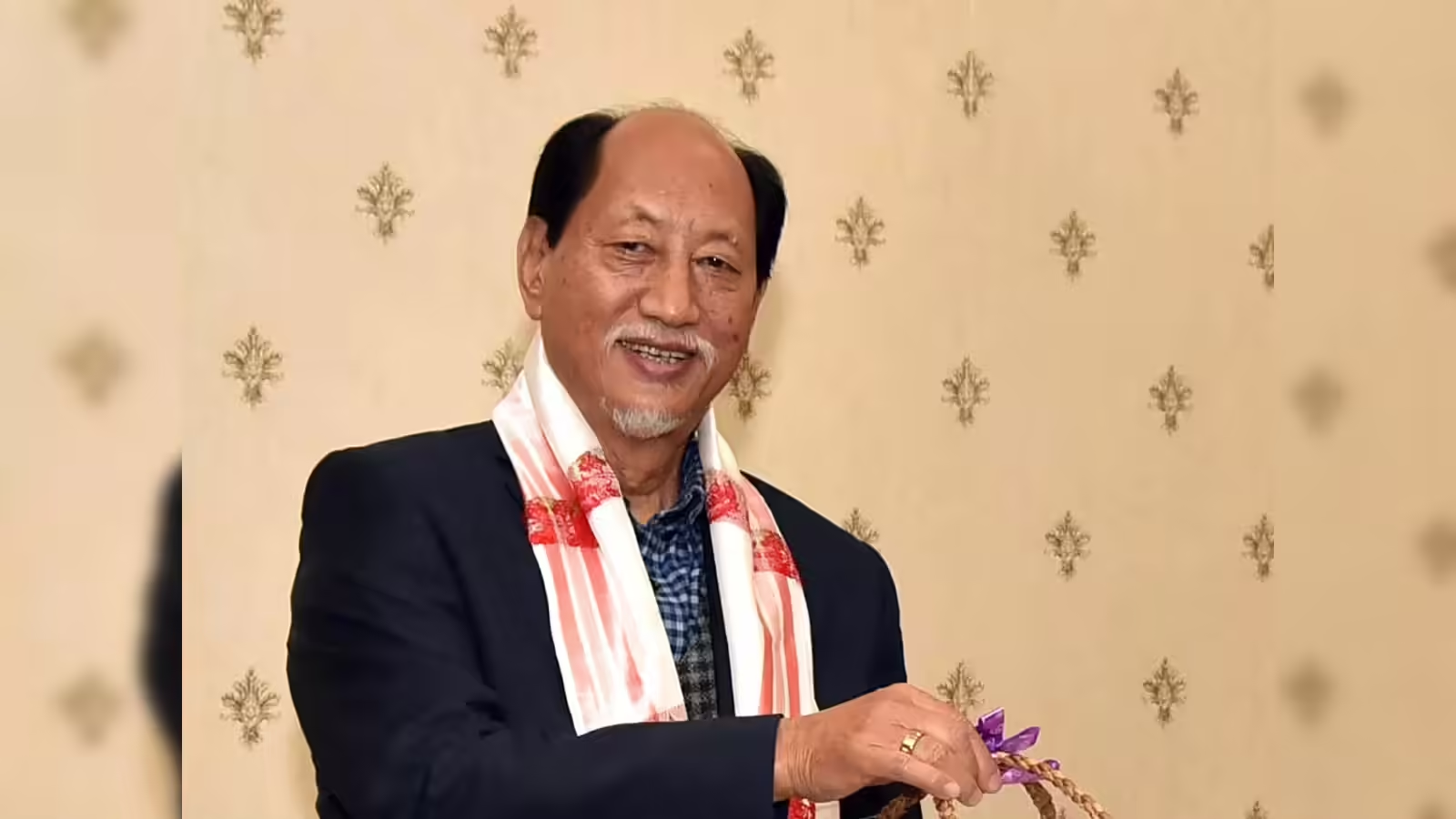
Nagaland NDPP NPF merger developments gained major political attention after the State Election Commission officially recognized a party restructuring under merger recognition rules. Meanwhile, the SEC issued a formal order stating that the Nationalist Democratic Progressive Party would stand amended as the Naga People’s Front in accordance with applicable electoral provisions. The announcement triggered intense discussion across Nagaland’s political landscape because both parties have historically played influential roles in the state’s governance and regional politics. Additionally, election officials confirmed that the order followed procedural examination of documents submitted before the commission.
The development arrived during a politically significant period marked by ongoing debates over party alignments, regional alliances, and future electoral strategies in Nagaland. Furthermore, analysts believe the recognition may influence opposition equations and political calculations ahead of future elections in the northeastern state.
Manipur Kuki Hostage Release Demand Intensifies
Kangpokpi Ambush NIA Probe Demand Intensifies
State Election Commission Issues Formal Order
Officials from the Nagaland State Election Commission stated that the recognition followed established merger-related procedures under electoral regulations. Nagaland NDPP NPF merger discussions therefore intensified immediately after the official notification became public.
Meanwhile, SEC representatives explained that the order formally acknowledged organizational and political restructuring involving the concerned parties. Additionally, election authorities reportedly reviewed supporting records and procedural requirements before issuing the final declaration.
The commission’s statement clarified that the recognized amendment would apply within the framework of election-related administrative records. Furthermore, officials emphasized that all political entities must comply with constitutional and electoral provisions governing mergers, recognition, and party identity matters.
Earlier, political speculation had emerged regarding possible changes in alignments among regional political organizations in Nagaland. Consequently, the official order attracted widespread interest from party workers, analysts, and civil society observers across the state.
At the same time, legal experts noted that merger recognition procedures remain sensitive because they can influence electoral symbols, organizational control, and legislative positioning within democratic institutions.
Political Reactions Emerge Across Nagaland
Leaders associated with regional political parties reacted quickly following the SEC announcement. Meanwhile, several NDPP and NPF supporters expressed contrasting opinions regarding the implications of the recognition order.
Nagaland NDPP NPF merger reactions also highlighted broader concerns involving political identity, regional representation, and party strategy. Additionally, opposition representatives questioned how the recognition could affect future electoral alignments and coalition politics within the state.
Some political observers described the development as a significant shift in Nagaland’s evolving political structure. Furthermore, analysts noted that regional parties continue playing a central role in shaping governance discussions connected to peace negotiations, tribal representation, and development policies.
However, critics argued that organizational restructuring may create uncertainty among grassroots party workers and local supporters. Consequently, several leaders called for clearer communication regarding future political strategies and administrative arrangements following the recognition.
Meanwhile, supporters of the decision claimed that political realignment could strengthen regional representation and improve organizational coordination. Several party members also expressed confidence that the transition would stabilize over time through internal dialogue and leadership decisions.
Historical Significance of Regional Parties
Regional political parties have historically dominated Nagaland’s electoral and governance structure for decades. Nagaland NDPP NPF merger developments therefore carry substantial political importance within the broader context of the state’s democratic history.
The Naga People’s Front has long remained one of the most influential political organizations in Nagaland and neighboring northeastern states. Meanwhile, the Nationalist Democratic Progressive Party emerged as a major force during recent electoral cycles and coalition governments.
Political analysts observed that regional parties in Nagaland often shape debates involving autonomy, governance reforms, tribal interests, and the Naga peace process. Additionally, alliances and organizational shifts frequently influence legislative stability and political negotiations across the state.
Earlier, political realignments and coalition adjustments repeatedly affected government formation in Nagaland’s Assembly politics. Consequently, observers believe the latest recognition may have implications extending beyond organizational restructuring alone.
At the same time, constitutional experts emphasized that election commissions play a critical role in ensuring lawful handling of party mergers and recognition disputes. They also stressed the importance of maintaining procedural transparency during politically sensitive decisions.
Electoral and Administrative Implications
Election law specialists stated that party merger recognition can influence several administrative and electoral processes. Meanwhile, the SEC order may affect official records, party representation structures, and future electoral preparations connected to local and state-level polls.
Nagaland NDPP NPF merger developments also raised questions regarding organizational assets, leadership structures, and grassroots coordination within affected political networks. Additionally, analysts suggested that future internal discussions may determine how party workers adapt to the revised political arrangement.
Officials indicated that any procedural follow-up related to election symbols, candidate nominations, or organizational records would proceed under established electoral guidelines. Furthermore, authorities reiterated that the commission’s role remains limited to legal and administrative recognition processes.
Several legal experts cautioned against speculation regarding long-term political consequences before parties themselves clarify their future direction. Consequently, observers expect further official statements from political leaders in the coming weeks.
Meanwhile, civil society groups called for peaceful political engagement and democratic dialogue during the transition period. Some organizations also emphasized the need for stable governance and constructive cooperation among political stakeholders in Nagaland.
Public Discussion Intensifies After Announcement
The SEC announcement generated significant reactions across social media platforms and political circles in Nagaland. Meanwhile, citizens discussed the possible implications for future elections, coalition politics, and governance priorities in the state.
Nagaland NDPP NPF merger conversations also spread across student organizations, policy forums, and regional political discussions. Additionally, several commentators linked the development to broader debates regarding leadership stability and evolving political alliances in Northeast India.
Supporters of regional political consolidation argued that restructuring may strengthen collective political bargaining capacity within the state. On the other hand, critics warned that sudden organizational shifts could create confusion among voters and party cadres.
Earlier, political developments in Nagaland repeatedly demonstrated the importance of coalition-building and alliance management in maintaining legislative stability. Consequently, analysts continue closely monitoring responses from influential political leaders and tribal organizations following the SEC order.
At the same time, governance experts highlighted the importance of maintaining public confidence in electoral institutions during politically sensitive transitions. They argued that transparent procedures remain essential for democratic legitimacy and institutional stability.
Conclusion
Nagaland NDPP NPF merger recognition by the State Election Commission has introduced a significant political development in the state’s evolving electoral landscape. Meanwhile, the SEC’s official order acknowledging the amendment under merger recognition rules triggered strong reactions from political leaders, analysts, and citizens. Authorities continue emphasizing procedural legality and administrative compliance while political observers assess the broader implications for Nagaland’s future political alignments. Ultimately, the development may reshape regional political strategies and influence upcoming electoral dynamics across the state.
FAQs
What did the Nagaland State Election Commission announce?
The SEC officially recognized a political restructuring and declared that the NDPP would stand amended as the NPF under merger rules.
Why is the decision politically important?
The development could influence party alignments, coalition politics, and future electoral strategies in Nagaland.
What role does the SEC play in such matters?
The State Election Commission examines legal and procedural requirements related to political party recognition and mergers.
Why is Nagaland NDPP NPF merger attracting attention?
Both parties have historically played influential roles in Nagaland’s governance and regional political landscape.
Could the decision affect future elections?
Political analysts believe the recognition may influence coalition equations and organizational strategies in upcoming elections.
How did political leaders respond to the announcement?
Reactions varied, with some leaders supporting the move while others raised concerns regarding political clarity and party structure.