

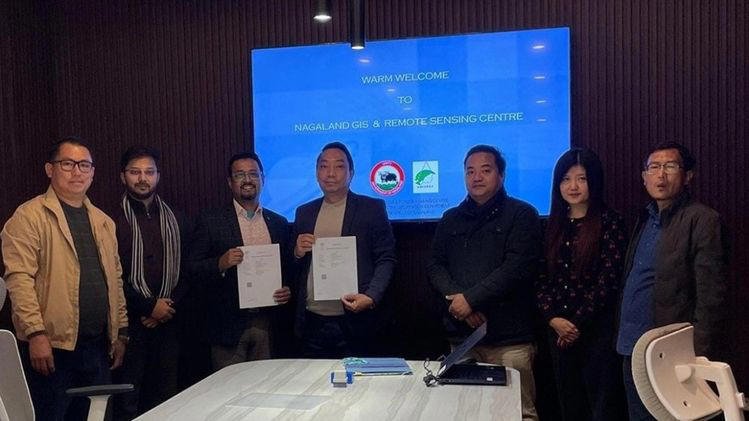
Nagaland partners with WRI India to deploy energy access explorer, an advanced geospatial platform designed to revolutionize clean energy planning. The Memorandum of Understanding (MoU) was signed on January 7, 2026, between the Nagaland GIS and Remote Sensing Centre (NGISRSC) and the World Resources Institute (WRI) India. This collaboration aims to use data-driven insights to identify high-priority areas for renewable energy interventions across the state.
Read More: Tripura CM Orders Strict Action After Attack on BJP Workers
Nagaland Partners with WRI India to Deploy Energy Access Explorer for Inclusive Growth
The primary goal of this partnership is to transition from traditional energy planning to a more informed, inclusive model. As Nagaland partners with WRI India to deploy energy access explorer, the state gains access to the first “Digital Public Good” specifically focused on climate-friendly energy transitions. This open-source platform integrates multiple layers of data, including infrastructure, demographics, and social indicators, to help policymakers see where energy is needed most.
During the signing ceremony in Kohima, senior officials emphasized that this tool is not just for electricity providers. It is a vital resource for health and education sectors as well. By identifying schools and clinics with erratic power, the government can strategically deploy decentralized renewable energy systems. This ensures that even the most remote border villages benefit from reliable and clean power sources.
How the Energy Access Explorer (EAE) Works
The Energy Access Explorer is an interactive, geospatial information system. It synthesizes over 50 geographic datasets to provide a “state of play” for the energy sector. Because the Nagaland partners with WRI India to deploy energy access explorer, the state can now visualize the link between energy supply and socio-economic demand.
Key features of the platform include:
- Interactive Mapping: Users can overlay maps of the power grid with locations of schools and hospitals.
- Custom Analysis: Planners can filter data to find areas where solar or small hydro power would be most viable.
- Open Source Accessibility: Entrepreneurs and NGOs can use the platform to identify market gaps for clean energy products.
- Decarbonization Tracking: The tool helps track the state’s progress toward India’s national goal of achieving Net Zero emissions by 2070.
Strengthening Data-Informed Decision Making
Before this partnership, energy planning often relied on fragmented data. Now, with the NGISRSC leading the initiative, Nagaland is centralizing its geospatial intelligence. Er. Mhathung Kithan, Senior Project Director of NGISRSC, stated that the collaborative model reinforces transparency and shared responsibility. By using real-time data, the state can avoid the high costs of ineffective grid extensions and instead focus on sustainable, off-grid solutions.
Furthermore, Nagaland joins other proactive states like Assam, Jharkhand, and Mizoram in adopting this technology. This regional cooperation allows for a better understanding of the energy landscape in Northeast India. The platform’s ability to pinpoint regions where clean energy delivers the maximum impact makes it an essential tool for achieving the state’s Sustainable Development Goals (SDG) 2030.
Supporting National Renewable Energy Targets
India has set an ambitious target to meet half of its energy requirements from renewable sources by 2030. Since Nagaland partners with WRI India to deploy energy access explorer, the state is contributing directly to this national mission. Bharath Jairaj, Executive Director of the Energy Program at WRI India, noted that EAE allows the government to move “from intent to informed action.”
The platform also supports the Nagaland Solar Mission, which was launched to promote rooftop solar installations. By using the explorer to find high-demand clusters, the Power Department can better manage the integration of solar energy into the state’s existing grid. This data-driven approach reduces technical losses and improves the overall reliability of the power supply.
The partnership between NGISRSC and WRI India represents a forward-thinking approach to governance. As Nagaland partners with WRI India to deploy energy access explorer, it sets a benchmark for other Himalayan states in the use of geospatial technology. This tool will empower planners, donors, and entrepreneurs to work together toward a common goal: universal access to clean, affordable, and reliable energy. With 2026 marking the start of this new phase, the people of Nagaland can look forward to a brighter and more sustainable future.
Read More: Assam Rifles Seize Rs 34 Lakh Worth of Counterfeit Cigarettes in Silchar Raid