

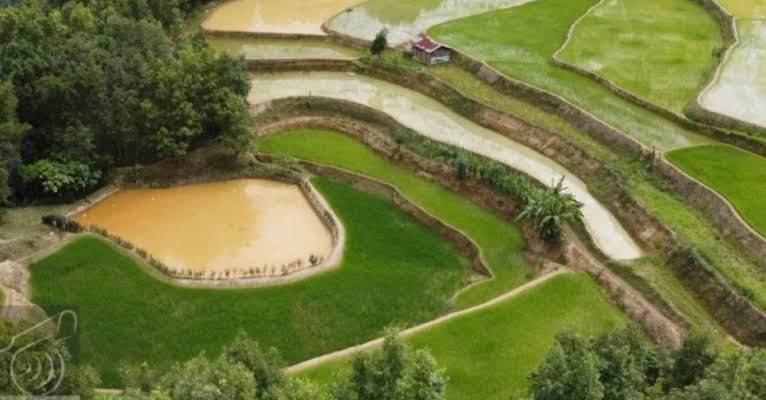
The Nagaland rainfall deficit has become a growing concern after official weather data showed that the state recorded a 51% shortfall in rainfall during the current monsoon period. Moreover, the significant deficit has raised alarms among farmers, agricultural experts, and government agencies about its potential impact on crop cultivation and water availability. Consequently, authorities are closely monitoring weather conditions while reviewing measures to support the farming community. Meanwhile, agricultural officials continue to assess the situation across various districts as the monsoon season progresses.
Tripura CM Manik Saha Defends Ban on Private Practice for AGMC and GBP Doctors
Nagaland Rainfall Deficit Highlights Weak Monsoon Conditions
The Nagaland rainfall deficit reflects one of the state’s most significant monsoon shortfalls in recent years. Moreover, official rainfall data indicates that precipitation has remained well below the seasonal average, creating uncertainty for the agricultural sector.
Farmers across several districts depend heavily on monsoon rainfall for paddy cultivation and other seasonal crops. Furthermore, reduced rainfall has delayed agricultural activities in many areas, affecting sowing schedules and field preparation. Consequently, many cultivators continue to monitor weather forecasts before expanding farm operations.
The India Meteorological Department (IMD) and state authorities are tracking rainfall patterns throughout the season. Additionally, officials are regularly updating district administrations on weather developments to support timely planning. Therefore, continuous monitoring remains essential for agricultural decision-making.
Meanwhile, agricultural extension officers are maintaining close communication with farming communities. Likewise, local administrations continue gathering field-level reports to assess the extent of the rainfall deficit.
Nagaland Rainfall Deficit Raises Concerns for Agriculture
The Nagaland rainfall deficit has intensified concerns regarding crop production across the state. Moreover, agriculture remains one of Nagaland’s primary economic activities, making seasonal rainfall a critical factor for rural livelihoods.
Insufficient rainfall can affect soil moisture levels and reduce the availability of water for irrigation. Furthermore, delayed precipitation may influence planting schedules for major crops grown during the monsoon season. Consequently, agricultural experts continue evaluating potential impacts on productivity.
Officials are also reviewing water resource availability in rural areas. Additionally, they are encouraging district administrations to monitor local agricultural conditions and report emerging challenges. Therefore, timely assessments will help authorities respond effectively if weather conditions remain unfavorable.
Meanwhile, farmers continue adjusting cultivation practices based on changing rainfall patterns. Similarly, agricultural departments remain prepared to provide technical guidance wherever necessary.
Government and Agricultural Departments Monitor the Situation
The Nagaland rainfall deficit has prompted state departments to strengthen weather monitoring and agricultural assessments. Moreover, officials are coordinating with meteorological agencies to receive updated rainfall forecasts and seasonal outlooks.
Agriculture Department officials continue evaluating crop conditions across multiple districts. Furthermore, they are collecting field reports to understand how reduced rainfall is affecting agricultural activities. Consequently, policymakers will be better positioned to determine appropriate support measures if required.
Authorities are also emphasizing efficient water management during the ongoing monsoon season. Additionally, they encourage farmers to adopt suitable agricultural practices based on local weather conditions and available resources. Therefore, coordinated planning remains an important aspect of the state’s response.
Meanwhile, district administrations continue sharing information with farming communities through extension services. Likewise, regular monitoring allows officials to respond quickly to any emerging agricultural concerns.
Future Outlook Depends on Monsoon Progress
The Nagaland rainfall deficit will remain an important issue as the southwest monsoon continues across the region. Moreover, future rainfall during the remaining weeks of the season could influence agricultural outcomes and water availability.
Meteorological agencies continue monitoring weather systems that may affect rainfall over Nagaland. Furthermore, updated forecasts will help farmers and government departments make informed decisions regarding crop management and resource planning. Consequently, weather observations will remain central to agricultural planning.
Officials also continue reviewing contingency plans that support rural communities during periods of adverse weather. Additionally, coordinated efforts between meteorological agencies, agricultural departments, and district administrations can strengthen preparedness. Therefore, continued collaboration remains essential.
Meanwhile, farmers remain hopeful that upcoming rainfall will improve field conditions. Similarly, authorities continue encouraging evidence-based agricultural planning while monitoring seasonal developments.
Conclusion
The Nagaland rainfall deficit has emerged as a significant concern following reports of a 51% rainfall shortfall during the current monsoon period. Moreover, the reduced rainfall has drawn attention to its possible effects on agriculture, water resources, and rural livelihoods across the state.
Furthermore, government departments, meteorological agencies, and agricultural officials continue monitoring the evolving weather situation while assessing field conditions. Consequently, timely information and coordinated planning will remain essential as the monsoon season progresses.
Looking ahead, the Nagaland rainfall deficit will continue to shape agricultural planning in the coming weeks. Additionally, improved rainfall during the remainder of the monsoon could help ease pressure on farming activities, while ongoing monitoring and preparedness will support informed decision-making across the state.
FAQs
1. What is the Nagaland rainfall deficit?
The Nagaland rainfall deficit refers to the reported 51% shortfall in rainfall compared with the normal monsoon average during the current season.
2. Why is the rainfall deficit a concern?
Reduced rainfall can delay crop cultivation, lower soil moisture, affect irrigation, and create challenges for farmers who depend on the monsoon.
3. Which sector is most affected by the rainfall shortfall?
Agriculture is expected to face the greatest impact because many farmers rely on seasonal rainfall for paddy and other crops.
4. How are authorities responding to the situation?
Government departments are monitoring weather conditions, assessing crop status, collecting field reports, and coordinating with meteorological agencies to guide future decisions.
5. Can future rainfall reduce the impact of the deficit?
Yes. If the monsoon strengthens during the remaining season, additional rainfall may improve soil moisture, support crop growth, and reduce pressure on agricultural activities.