

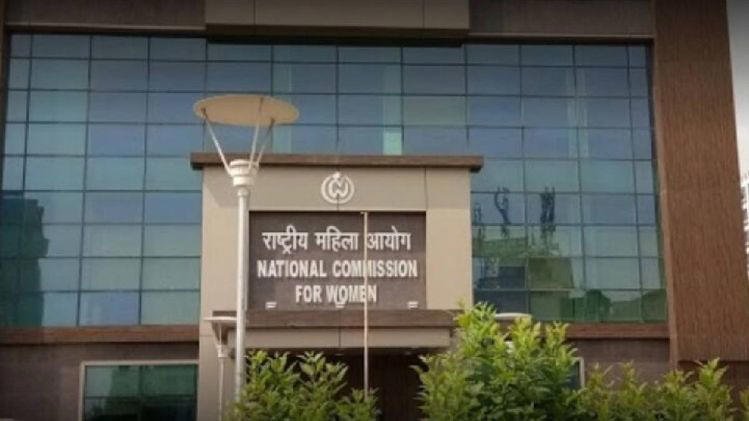
The National Commission for Women (NCW) has urged Mizoram Police and the Assam Rifles to initiate joint action to tackle the growing problem of cross-border human trafficking. The appeal follows increasing cases of women and children being trafficked across the porous India-Myanmar border, raising serious security and humanitarian concerns in the region.
During a recent meeting held in Aizawl, NCW Chairperson Rekha Sharma discussed the matter with senior officials from the Mizoram Police and Assam Rifles. She stressed the importance of coordinated surveillance, information sharing, and community awareness programs to combat trafficking effectively. Sharma highlighted that the border areas have become vulnerable due to their geographical terrain and socio-political instability in neighboring regions.
Read More: Mizoram’s MNF Calls Statewide Shutdown Over Forest Conservation Act
According to Sharma, traffickers are exploiting the region’s proximity to Myanmar and the lack of strict monitoring in remote areas. She said many victims are lured with promises of jobs or better living conditions but end up in forced labor or sexual exploitation. The NCW chief emphasized that only strong collaboration between law enforcement agencies can prevent these crimes and rescue victims before they are moved beyond reach.
The Commission’s visit to Mizoram came after multiple reports suggested an alarming rise in trafficking incidents across the northeastern border. Officials revealed that several traffickers use difficult forest routes to smuggle people, often taking advantage of weak security presence in hilly terrains. Sharma urged authorities to strengthen border patrolling and improve communication systems between security forces stationed in distant locations.
The NCW delegation also interacted with local NGOs and community leaders who work on rehabilitation and victim support programs. Many organizations pointed out that the problem extends beyond law enforcement and involves social and economic vulnerabilities. Poverty, displacement due to conflict in Myanmar, and lack of employment opportunities often push families to take risks, making them easy targets for traffickers.
Sharma assured that NCW will continue working with both central and state governments to develop long-term strategies to prevent trafficking. She proposed that Mizoram Police and the Assam Rifles conduct regular joint operations, share intelligence, and set up dedicated task forces in high-risk border areas. She also recommended that the Ministry of Home Affairs provide more resources and modern surveillance equipment to assist the forces.
The Assam Rifles, responsible for guarding the 510-kilometer-long Mizoram-Myanmar border, has been instrumental in intercepting several trafficking attempts in recent months. Officials said they often rescue victims during routine patrols and coordinate with local police to ensure safe repatriation or shelter. However, the force faces challenges such as rough terrain, limited manpower, and restricted road connectivity, which make regular patrolling difficult.
Mizoram’s Director General of Police (DGP) also expressed full support for NCW’s proposal. He said the state police have already increased coordination with border villages and are conducting awareness campaigns to educate residents about the dangers of trafficking. According to him, local participation plays a critical role, as villagers are usually the first to spot suspicious movements along the border.
During the meeting, both agencies agreed to establish a communication channel for real-time information sharing. This will help them track traffickers more efficiently and conduct rescue operations without delays. The NCW further suggested using digital tools and data analysis systems to identify trafficking patterns and hotspots along the border.
The Commission’s report on the issue underlined that many trafficked individuals are transported to distant cities for domestic work or the entertainment industry. Some victims also end up in illegal cross-border trade networks. Sharma said the issue is not just a regional problem but a national concern that needs an integrated policy approach.
She also appealed to the Mizoram government to enhance rehabilitation support for rescued victims. Providing them with counseling, education, and skill development programs can help them reintegrate into society. Without long-term rehabilitation, victims remain at risk of being re-trafficked, she warned.
Meanwhile, NGOs such as the Young Mizo Association (YMA) and Human Trafficking Watch have welcomed the NCW’s intervention. They believe stronger coordination between agencies can save many lives. A representative from YMA said they will continue to support awareness drives and assist in identifying victims through community networks.
The NCW plans to submit a detailed report to the Union Ministry of Women and Child Development and the Ministry of Home Affairs. The report will include recommendations for establishing a permanent inter-agency mechanism, capacity-building workshops, and funding for victim rehabilitation centers in border districts.
Experts have lauded the NCW’s move, stating that collaboration between civil authorities and armed forces is crucial in tackling transnational crimes. They noted that trafficking networks often overlap with illegal migration and narcotics smuggling, making it essential to address the issue comprehensively.
Chairperson Rekha Sharma concluded her visit by reaffirming NCW’s commitment to supporting all stakeholders in the fight against cross-border trafficking. She said that with collective effort, vigilance, and empathy, Mizoram can significantly reduce trafficking and ensure safety for women and children.
The call for joint action between Mizoram Police and Assam Rifles marks a decisive step toward safeguarding the state’s vulnerable border communities. It reflects a growing realization that combating trafficking requires not just enforcement but also coordination, awareness, and compassion.
Read More: Cyclone Montha: Andhra Fishing Boats Take Shelter at Gopalpur Port