

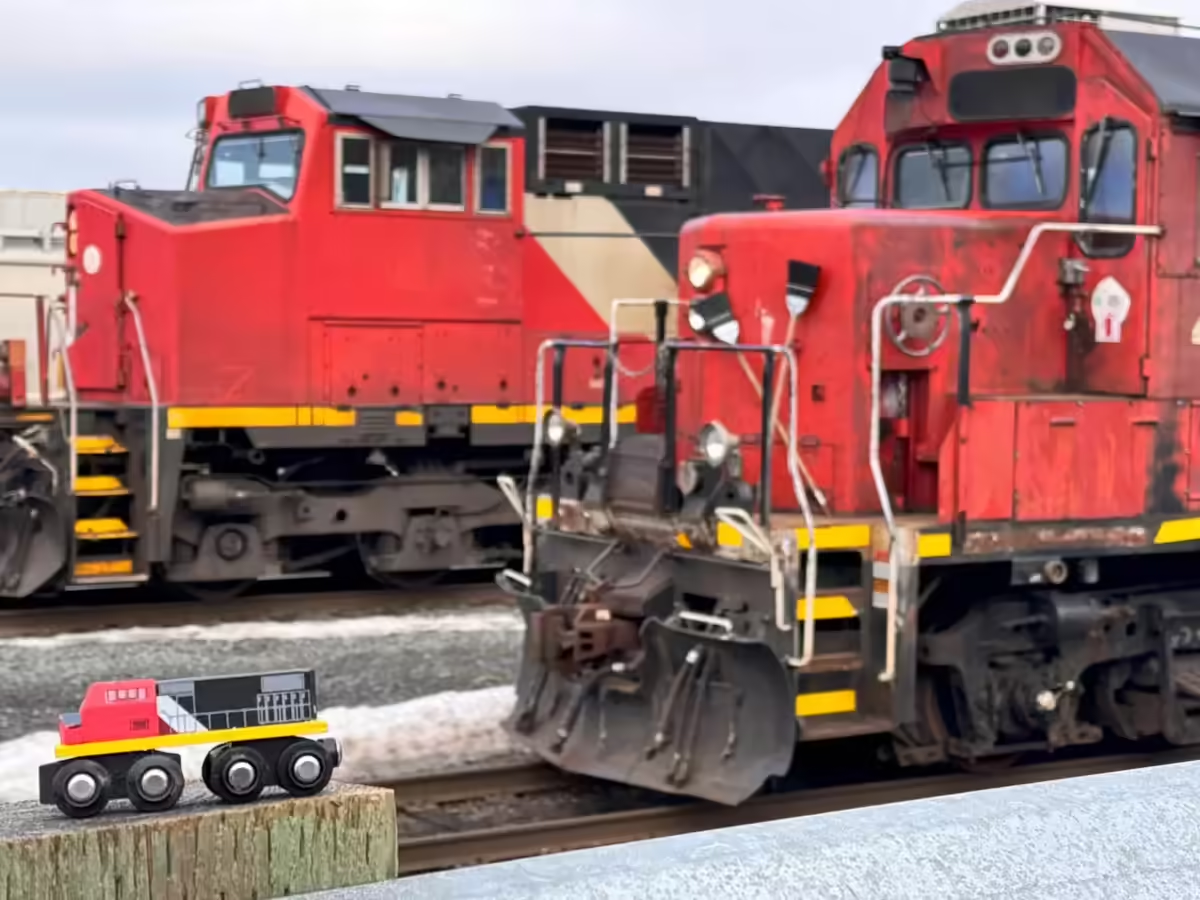
Northeast Frontier Railway has intensified efforts to expand railway electrification while also implementing new measures to prevent cattle dashing incidents on railway tracks across northeastern India. Officials stated that the initiatives are part of broader modernization and railway safety improvement plans within the region.
Authorities emphasized that electrification projects are expected to improve operational efficiency, reduce fuel dependency, and strengthen environmentally sustainable railway transportation. Moreover, railway officials highlighted that preventing cattle-related accidents remains important for ensuring passenger safety and minimizing disruptions to train operations.
The latest developments have attracted attention because railway modernization and safety remain major infrastructure priorities in the Northeast. Consequently, transport experts believe the initiatives could significantly improve railway connectivity and operational reliability in the coming years.
IIT Guwahati Teacher Wellbeing Study Highlights Workplace Impact
Shillong Parliamentary Bypoll Sees NPP Field DRL Nonglait
Northeast Frontier Railway Expands Electrification Work
The NFR Railway Electrification Drive has gained momentum as officials continue accelerating infrastructure modernization projects across railway divisions in northeastern states.
Railway authorities stated that electrification helps improve train efficiency, reduce operating costs, and support environmentally cleaner transportation systems. Furthermore, electric rail systems are generally considered faster and more sustainable compared to diesel-based operations.
Officials also emphasized that upgraded railway infrastructure can strengthen regional connectivity and support economic growth. As a result, modernization initiatives remain an important focus area for the railway zone.
Transport analysts noted that railway electrification has become a national priority because of its long-term environmental and operational benefits.
Measures Introduced to Prevent Cattle Dashing
Alongside electrification work, railway authorities are also focusing on reducing cattle dashing incidents that frequently affect train movement and safety in several regions.
Officials stated that fencing, awareness campaigns, surveillance systems, and coordination with local communities are among the measures being implemented to minimize such incidents. Moreover, railway teams continue monitoring vulnerable stretches where animal movement near tracks remains common.
Safety experts explained that cattle-related accidents can damage railway infrastructure, delay train schedules, and endanger both passengers and livestock. Therefore, preventive strategies are receiving greater attention from railway administrations.
The NFR Railway Electrification Drive also reflects a broader emphasis on railway safety modernization.
Railway Modernization Strengthens Northeast Connectivity
Northeast Frontier Railway plays a major role in connecting northeastern states with the rest of India through passenger and freight rail services.
Officials stated that electrification and infrastructure upgrades are expected to improve transportation efficiency and reduce travel delays. Furthermore, stronger railway connectivity can support trade, tourism, and regional economic activities.
Infrastructure experts believe modern rail systems are essential for improving mobility in geographically challenging regions such as northeastern India. Consequently, railway development projects continue receiving administrative and financial support.
The latest initiatives also align with wider national efforts focused on transportation modernization and sustainable infrastructure growth.
Environmental Benefits of Electrified Rail Networks
Railway electrification is widely viewed as an environmentally sustainable alternative to diesel-powered transportation systems. Officials explained that electric trains reduce carbon emissions and improve energy efficiency over the long term.
Environmental experts stated that shifting toward cleaner railway operations can contribute positively to national climate and sustainability goals. Moreover, electrified rail corridors often improve operational performance and maintenance efficiency.
Authorities also highlighted that modern railway systems support greener transportation infrastructure while helping reduce dependence on fossil fuels. Consequently, electrification projects remain important components of India’s infrastructure planning strategy.
The NFR Railway Electrification Drive is therefore expected to support both environmental and operational improvements.
Safety Awareness and Community Participation
Railway authorities emphasized the importance of public awareness and local cooperation in preventing cattle dashing incidents near railway tracks. Officials stated that community engagement can help reduce accidents and improve railway safety.
Awareness campaigns reportedly encourage livestock owners to avoid grazing animals near railway corridors and vulnerable crossing areas. Additionally, railway personnel continue conducting inspections and monitoring activities in high-risk zones.
Experts noted that railway safety initiatives often succeed more effectively when local communities actively participate in prevention efforts. Therefore, authorities are strengthening communication with residents and local administrations.
The combination of modernization and safety measures has become a key focus within Northeast Frontier Railway operations.
Infrastructure Growth and Future Plans
Officials indicated that railway modernization projects across the Northeast are expected to continue over the coming years with further investment in electrification, track improvement, and safety infrastructure.
Transport planners believe better railway systems can significantly support regional development by improving movement of goods and passengers. Furthermore, improved connectivity may encourage industrial activity and tourism growth in northeastern states.
Observers also highlighted the importance of balancing rapid infrastructure expansion with safety and environmental sustainability. Consequently, railway authorities are expected to continue integrating modernization with preventive safety measures.
The NFR Railway Electrification Drive has become one of the region’s major transportation infrastructure initiatives.
Conclusion
Northeast Frontier Railway’s intensified focus on electrification and cattle dashing prevention reflects a broader effort to modernize railway infrastructure and improve operational safety across northeastern India. The initiatives aim to strengthen connectivity, increase efficiency, and create a more sustainable railway network.
As electrification projects and safety measures progress, passengers and regional communities are expected to benefit from improved railway services and reduced operational disruptions. The developments also highlight the growing importance of modern infrastructure in supporting the Northeast’s long-term economic and transportation growth.
FAQs
What is Northeast Frontier Railway focusing on?
NFR is expanding railway electrification and implementing measures to prevent cattle dashing incidents.
Why is railway electrification important?
Electrification improves efficiency, reduces fuel costs, and supports environmentally cleaner transportation.
What is cattle dashing?
It refers to accidents involving livestock entering railway tracks and colliding with trains.
How is NFR preventing cattle-related accidents?
Authorities are using fencing, surveillance, inspections, and awareness campaigns.
How does electrification help the environment?
Electric trains reduce carbon emissions and dependence on diesel fuel.
Why is railway modernization important for the Northeast?
Improved railway infrastructure strengthens connectivity, trade, tourism, and economic development.