

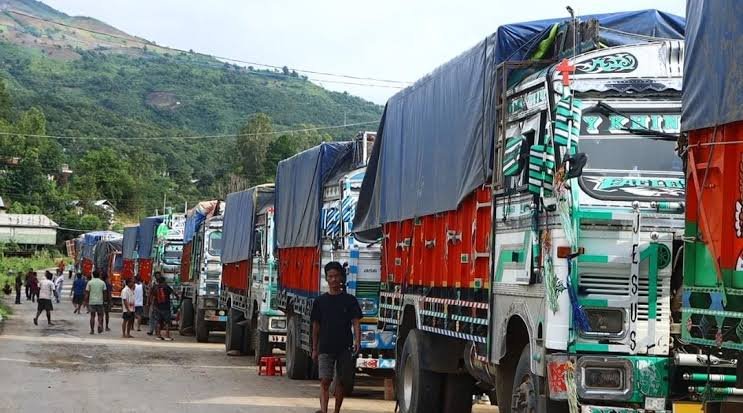
The Manipur NH-2 transport corridor plays a vital role in connecting Imphal with Dimapur and other parts of Northeast India. The highway supports passenger movement, commercial transport and the delivery of essential supplies to the state. Recent reports have highlighted the economic importance of restoring free movement along this route after prolonged disruptions. However, an official sanction of ₹1,200 crore specifically for upgrading a heavy-vehicle corridor on NH-2 remains unverified. The focus therefore remains on reliable road connectivity, transport safety and the importance of maintaining this strategic highway.
Donyi Polo Airport Upgrades Strengthen Night Operations in Arunachal Pradesh
Manipur NH-2 Transport Corridor Supports Regional Connectivity
National Highway 2 serves as one of Manipur’s major road connections with the rest of the Northeast. It links Imphal with Dimapur in Nagaland and provides onward access towards Guwahati and other regional centres. Consequently, the highway plays an important role in the movement of passengers, traders and commercial vehicles.
The route supports the delivery of food, fuel, construction materials, medicines and other essential commodities. Businesses also depend on dependable road transport to receive supplies and distribute products. When vehicles move without prolonged interruptions, traders can plan deliveries more effectively and manage transport costs.
The highway’s importance became particularly evident during periods of disruption in Manipur. Restrictions, blockades and interruptions to transport affected commercial activity and everyday movement. Such disruptions can delay supplies, increase logistics expenses and create difficulties for businesses that rely on regular deliveries.
On October 15, 2026, Chief Minister Yumnam Khemchand Singh said that the resumption of free movement along NH-2 had supported Manipur’s economic recovery. He thanked residents of Maram, Tadubi and Mao in Senapati district for their cooperation in restoring movement along the route.
The Chief Minister also estimated that Manipur had lost around ₹1,200 crore in GST revenue between 2023 and 2026 because of the wider crisis. This figure referred to estimated revenue losses, not a confirmed government allocation for highway construction.
The distinction matters because road-development funding and GST revenue losses represent different financial categories. A government sanction for highway upgrades would normally require a specific project announcement, an identified road section and details of the approved expenditure.
Nevertheless, the recent remarks underline the importance of reliable transport infrastructure for Manipur’s economy. Continued movement along NH-2 can help traders, transport operators and residents access markets and essential services more consistently.
Heavy Vehicle Movement and Road Infrastructure Requirements
Heavy vehicles carry much of the material required by businesses, construction projects and public services. Trucks transport building materials, agricultural products, fuel and other goods across state boundaries. Therefore, the condition and capacity of major highways can influence both delivery times and the cost of goods.
NH-2 must accommodate different types of road users, including passenger cars, buses, two-wheelers and heavy commercial vehicles. This mix makes traffic management and road safety important considerations, particularly near towns, junctions and areas with limited road width.
Heavy vehicles require sufficient road space, suitable turning areas and safe connections at intersections. Road surfaces must also withstand repeated loading from commercial traffic. Where the road geometry or pavement condition creates difficulties, authorities may need to assess improvements to drainage, shoulders, curves and other infrastructure.
However, a dedicated heavy-vehicle corridor is different from an ordinary highway upgrade. A dedicated corridor generally involves a defined route or road section designed specifically to manage freight traffic. Such a project may require separate planning, engineering assessments, land arrangements and funding approvals.
The available reports do not establish that the government has sanctioned a dedicated heavy-vehicle corridor along NH-2 for ₹1,200 crore. Therefore, the proposed financial figure should not be presented as an approved project cost without an official order or reliable project announcement.
Even without a newly sanctioned corridor, authorities can assess existing highway sections to identify safety concerns and traffic bottlenecks. Improvements may include repairing damaged pavement, strengthening bridges where necessary, upgrading road markings and improving junction design.
Roadside facilities also matter for commercial transport. Suitable stopping areas, clear signage and effective traffic management can help drivers navigate long journeys more safely. In addition, regular maintenance can reduce disruptions caused by deteriorating road conditions.
These measures require evidence-based planning. Traffic surveys, freight movement data, accident records and engineering inspections can help identify which sections need attention most urgently.
Government Highway Investment and Manipur’s Transport Network
The Union government continues to invest in national highway development across the Northeast. According to information released by the Ministry of Development of North Eastern Region on January 30, 2026, the region’s National Highway network expanded from 10,905 kilometres in 2014 to 16,207 kilometres as of April 1, 2025.
The same government update reported 177 national highway projects covering 3,635 kilometres and costing approximately ₹87,119 crore at different stages of implementation across the Northeast. These figures cover the wider region and do not represent funding specifically sanctioned for NH-2 in Manipur.
The Ministry of Road Transport and Highways also uses programmes such as the Special Accelerated Road Development Programme for the North-East Region to improve connectivity. Project selection depends on factors including traffic demand, road conditions, connectivity requirements and the availability of funds.
For Manipur, road development has implications beyond the movement of goods. Reliable highways help residents reach hospitals, educational institutions, markets and administrative centres. They also support links between hill districts and the Imphal Valley.
However, a regional infrastructure allocation cannot automatically be attributed to a particular highway. Each project needs to be identified through official documentation that specifies the road section, cost, scope and implementation arrangements.
For NH-2, a clear public update on any proposed heavy-vehicle corridor would need to explain whether the plan involves widening an existing road, strengthening the pavement, constructing bypasses or developing a separate freight route.
Such details would help residents and businesses understand how the investment could affect travel and transport. They would also allow the public to distinguish between an announced proposal, an approved sanction and work that has actually begun.
Economic Benefits, Safety Priorities and the Way Forward
Reliable movement along NH-2 can support Manipur’s economy by helping businesses maintain supply chains. Traders need predictable delivery schedules to manage inventories and meet customer demand. Similarly, transport operators depend on road conditions and traffic flow when planning journeys.
Agricultural producers may also benefit from dependable road connections. Efficient transport can help farmers and traders move produce to markets while reducing delays. Construction businesses, retailers and service providers likewise need regular access to materials and goods.
Nevertheless, improved road connectivity does not guarantee immediate reductions in prices or transport costs. Fuel expenses, vehicle maintenance, tolls, market conditions and security-related delays can all influence the final cost of moving goods.
Road safety must remain a central priority in any upgrade. Authorities should examine accident-prone locations, improve warning signs and maintain road surfaces. Heavy vehicles also require appropriate inspections and compliance with applicable weight and safety regulations.
Traffic management becomes especially important when commercial vehicles pass through populated areas. Better junction layouts, clearly marked crossings and suitable arrangements for pedestrians can help reduce conflicts between different road users.
The government should also publish clear information about highway projects. An official sanction order would help confirm the approved cost, project scope, implementing agency and construction timeline. Progress updates would then allow residents to track whether work is moving according to plan.
Until such documentation confirms the ₹1,200 crore figure, it remains important to separate the Chief Minister’s reported estimate of GST revenue losses from any claimed road-development sanction.
Ultimately, NH-2’s importance lies in its role as a transport link for Manipur and the wider Northeast. Maintaining reliable movement, improving road safety and addressing verified infrastructure gaps can support trade and everyday travel. Any future heavy-vehicle corridor project should proceed on the basis of a clear engineering plan, confirmed funding and transparent implementation.
Conclusion
The Manipur NH-2 transport corridor remains essential for connecting Imphal with Dimapur, Guwahati and other regional centres. The highway supports the movement of essential supplies, commercial goods and passengers. Recent statements by the Manipur Chief Minister have again highlighted the economic importance of uninterrupted movement along this route.
However, the available reports do not confirm a ₹1,200 crore government sanction for upgrading a dedicated heavy-vehicle corridor on NH-2. The reported ₹1,200 crore figure refers instead to the Chief Minister’s estimate of GST revenue losses between 2023 and 2026. Official project documents are needed before the amount can be attributed to highway development.
Going forward, targeted road improvements, effective traffic management and regular maintenance could help strengthen the highway’s role in regional transport. Transparent funding announcements and construction updates would also help businesses and residents understand planned improvements. Reliable connectivity will remain important for Manipur’s economic activity and access to essential services.
FAQs
1. Why is NH-2 important for Manipur?
NH-2 connects Imphal with Dimapur and provides onward access towards Guwahati. It supports passenger travel, commercial transport and the movement of essential supplies into and out of Manipur.
2. Has the government sanctioned ₹1,200 crore for an NH-2 heavy-vehicle corridor?
The available sources reviewed for this article do not confirm such a sanction. The reported ₹1,200 crore figure relates to the Manipur Chief Minister’s estimate of GST revenue losses between 2023 and 2026.
3. How could highway upgrades benefit heavy vehicles?
Suitable upgrades could improve road conditions, traffic flow and safety for commercial vehicles. The benefits would depend on the specific works undertaken, traffic conditions and the highway sections covered.
4. What role does NH-2 play in Manipur’s economy?
The highway helps businesses transport goods, enables residents to travel and connects Manipur with regional markets. Prolonged disruptions can delay supplies and affect commercial activity.
5. Where can official information about highway funding be confirmed?
Project-specific announcements and sanction orders from the Ministry of Road Transport and Highways, the National Highways Authority of India or the relevant implementing agency can confirm approved funding, project scope and timelines.