

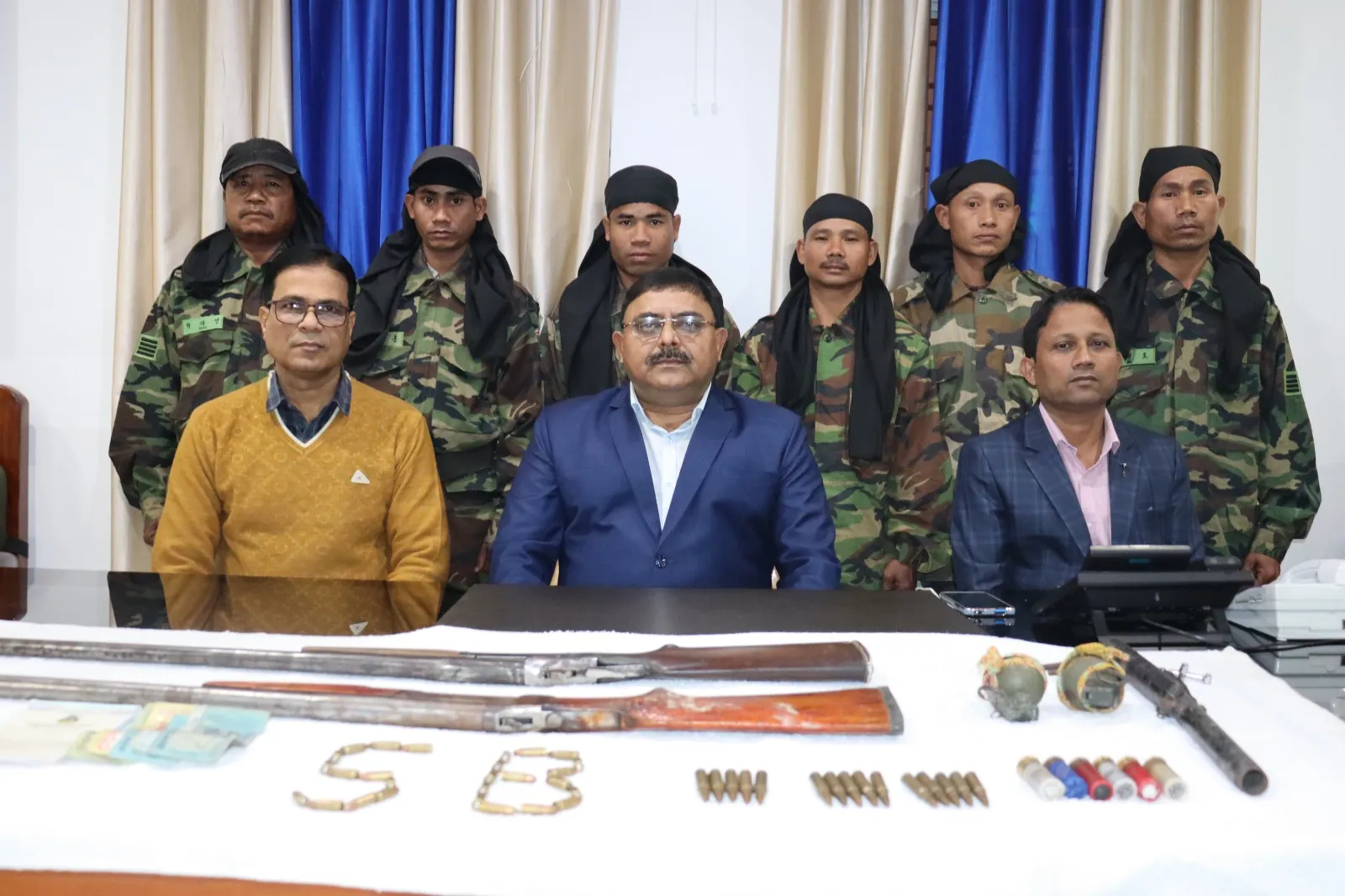
The NLFT Peace Package Delays issue has come into focus after surrendered cadres of the National Liberation Front of Tripura (NLFT) organized peaceful blockades in Tripura. The protesters demanded the immediate implementation of a promised ₹250-crore rehabilitation package, highlighting concerns over delays in rehabilitation measures.
The NLFT Peace Package Delays have emerged as a significant issue in Tripura following peaceful blockades organized by surrendered NLFT cadres. Moreover, the demonstrators called for the immediate release of a promised ₹250-crore rehabilitation package. The protest has drawn attention to the pace of rehabilitation efforts and the importance of implementing commitments made under peace and reintegration initiatives.
State Warns Officials Over Pension Processing Delays
NLFT Peace Package Delays Trigger Peaceful Blockades
The NLFT Peace Package Delays became the focus of public attention after surrendered cadres staged peaceful demonstrations in Tripura. Furthermore, the protesters demanded the early implementation of the rehabilitation package they said had been promised.
Peaceful demonstrations remain a recognized means of expressing public concerns. Consequently, the issue has prompted discussions about rehabilitation timelines.
Moreover, the protests highlighted the importance of timely policy implementation. Therefore, the development has received regional attention.
Protesters Seek ₹250-Crore Rehabilitation Package
A central issue in the NLFT Peace Package Delays is the demand for the immediate rollout of the ₹250-crore rehabilitation package. Furthermore, the surrendered cadres stated that the package is necessary to support their rehabilitation and reintegration.
Rehabilitation initiatives play an important role in post-conflict recovery. Similarly, timely implementation can contribute to long-term stability.
Consequently, the demand has focused attention on the progress of rehabilitation measures. Thus, the issue remains under discussion.
Rehabilitation Efforts Remain Under Spotlight
The NLFT Peace Package Delays have renewed interest in rehabilitation policies designed for surrendered cadres. Moreover, such programs aim to facilitate social and economic reintegration through structured government support.
Rehabilitation measures are often considered an important component of peace-building efforts. Additionally, effective implementation can strengthen confidence in reintegration initiatives.
Consequently, stakeholders continue to monitor developments related to the package. Therefore, rehabilitation remains a key policy issue.
Peaceful Demonstrations Highlight Pending Concerns
The NLFT Peace Package Delays also underscore the role of peaceful public demonstrations in raising policy concerns. Furthermore, the blockades brought attention to the demands without reports of violent escalation in the information provided.
Public demonstrations often encourage dialogue between stakeholders and authorities. Similarly, discussions can help clarify implementation timelines and administrative processes.
Moreover, constructive engagement supports peaceful resolution of issues. Thus, continued communication remains important.
Importance of Timely Rehabilitation Measures
The NLFT Peace Package Delays emphasize the broader significance of timely rehabilitation in supporting long-term peace and development. Furthermore, effective implementation of rehabilitation initiatives can assist reintegration efforts and community stability.
Well-planned rehabilitation programs contribute to sustainable development. Consequently, governments often review implementation progress to ensure policy objectives are met.
Additionally, coordinated administrative action can improve the delivery of approved schemes. Therefore, timely execution remains a priority.
Looking Ahead
The NLFT Peace Package Delays are expected to remain under public and administrative review as discussions over the rehabilitation package continue. Moreover, future developments may provide greater clarity regarding the implementation process.
As authorities and stakeholders continue to engage, further decisions could influence the pace of rehabilitation efforts. Similarly, ongoing dialogue may help address outstanding concerns.
Consequently, the issue highlights the importance of balancing administrative procedures with timely implementation. Thus, rehabilitation remains central to the broader peace process.
Conclusion
The NLFT Peace Package Delays have brought renewed attention to rehabilitation commitments following peaceful blockades by surrendered cadres in Tripura. Their demand for the immediate rollout of the ₹250-crore rehabilitation package underscores the importance of timely implementation.
Moreover, effective rehabilitation programs play a significant role in supporting reintegration and sustaining peace initiatives. Consequently, the issue has become an important topic in regional policy discussions.
Looking ahead, continued engagement between the concerned stakeholders and authorities will be important in addressing the pending demands. Therefore, the NLFT Peace Package Delays remain a closely watched development in Tripura.
FAQs
1. What are the NLFT Peace Package Delays?
The NLFT Peace Package Delays refer to concerns over the delayed implementation of a promised ₹250-crore rehabilitation package for surrendered NLFT cadres.
2. Why did the surrendered cadres stage blockades?
They organized peaceful blockades to demand the immediate rollout of the rehabilitation package.
3. Where were the demonstrations held?
The peaceful demonstrations took place in Tripura.
4. What is the value of the rehabilitation package?
The protesters demanded the release of a ₹250-crore rehabilitation package.
5. Why is the rehabilitation package important?
The package is intended to support the rehabilitation and reintegration of surrendered cadres as part of broader peace initiatives.