

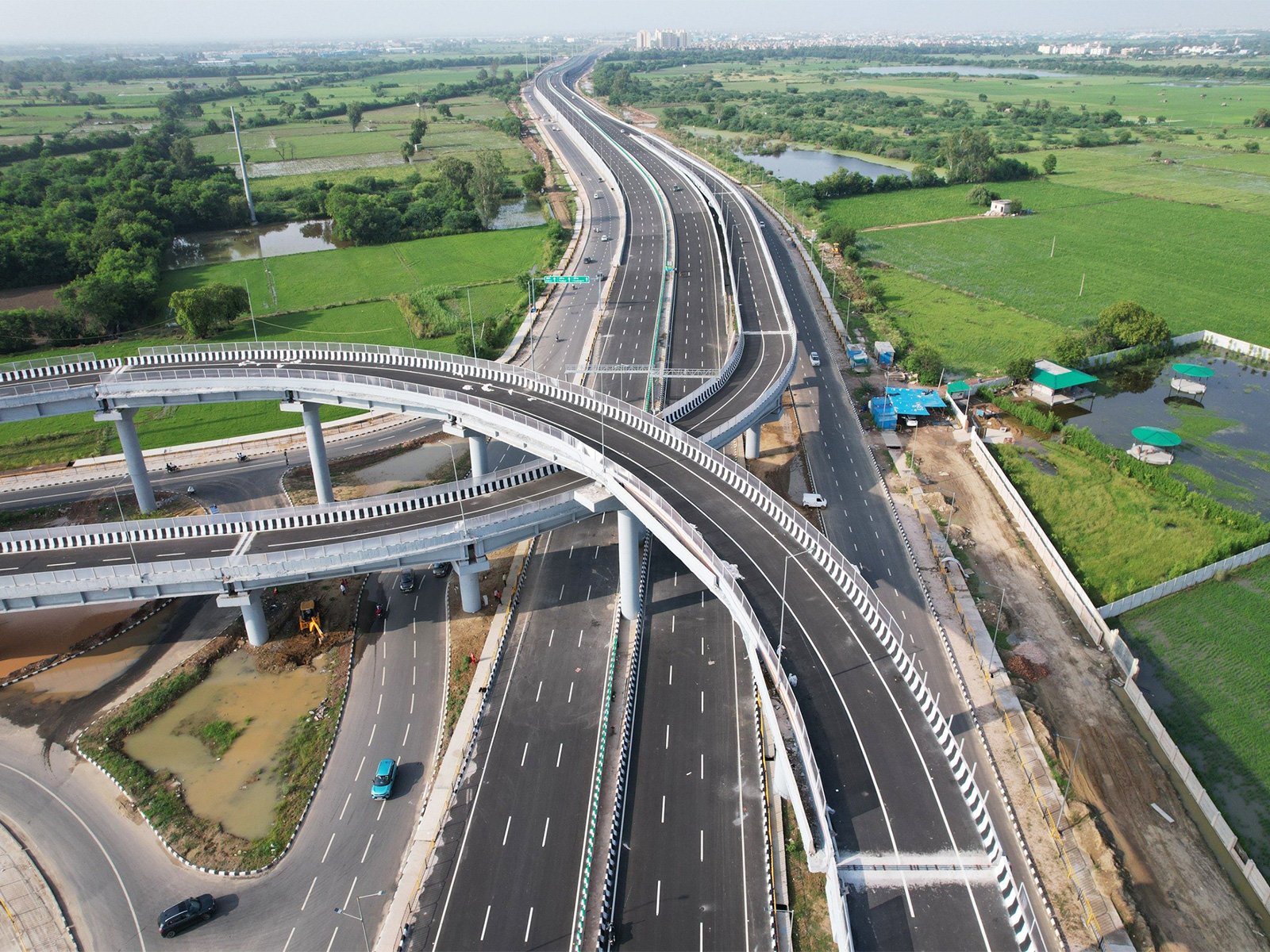
The Centre has strengthened infrastructure development in the region as Northeast Highway Funding Boost becomes a key development highlight following the allocation of an additional ₹2,000 crore to the National Highways & Infrastructure Development Corporation Limited (NHIDCL) on 23 May. The Ministry of Road Transport and Highways approved the funding to accelerate ongoing National Highway expansion projects across Northeast India, raising the active project pool to ₹3,500 crore. The move is expected to speed up connectivity upgrades and improve transport infrastructure in strategically important and remote areas.
Border Security Strategy Talks Announced
Sikkim Judge Elevated to Patna HC Chief Justice
Background
Northeast India has long required extensive highway development due to its challenging terrain, strategic location, and connectivity gaps with the rest of the country. Over the years, the government has prioritized infrastructure expansion to improve economic integration, border connectivity, and regional mobility.
In this context, Northeast Highway Funding Boost reflects a continued push toward large-scale infrastructure modernization. NHIDCL has been responsible for executing key highway projects in hilly and border regions where construction requires specialized engineering and higher investment.
Improved road connectivity is considered essential for trade, tourism, and national security in the region.
Current Update
On 23 May, the Ministry of Road Transport and Highways sanctioned an additional ₹2,000 crore for NHIDCL to support ongoing National Highway expansion works. This funding increases the active development pool to ₹3,500 crore.
The Northeast Highway Funding Boost is expected to accelerate construction timelines for multiple highway corridors across the region. Officials indicated that the funds will be used for upgrading existing roads, constructing new highway stretches, and improving critical infrastructure links.
Authorities emphasized that faster execution will help reduce travel time and improve logistical efficiency across Northeast states.
Key Details
The allocated funds will support multiple ongoing projects under NHIDCL, which focuses on highway development in difficult terrain regions. These projects include road widening, bridge construction, and improvement of strategic highway corridors.
The significance of the Northeast Highway Funding Boost lies in its potential to transform regional connectivity and strengthen economic integration. Better highways can significantly reduce transportation costs and improve access to markets and services.
Experts note that sustained investment in infrastructure is essential for long-term regional development and improved connectivity with national economic hubs.
Impact and Public Significance
The funding is expected to improve mobility, boost trade, and enhance access to remote areas. It may also support tourism growth and improve emergency response capabilities in hilly regions.
From a governance perspective, Northeast Highway Funding Boost highlights the Centre’s focus on infrastructure-led development in strategically sensitive regions. Improved highways also strengthen national integration and support economic resilience.
Residents and businesses are likely to benefit from reduced travel time and better road safety standards.
What Happens Next
NHIDCL is expected to prioritize project execution and accelerate ongoing highway works under the enhanced funding allocation. Regular progress monitoring and project audits may be conducted to ensure efficient utilization of funds.
Future developments may include additional funding allocations and expansion of new highway corridors. The long-term success of the Northeast Highway Funding Boost will depend on timely project completion and quality execution.
Conclusion
The ₹2,000 crore funding infusion marks a significant step toward improving highway infrastructure in Northeast India. As projects accelerate, Northeast Highway Funding Boost reflects a strong push toward better connectivity, economic growth, and regional development. The coming months will determine how effectively these investments translate into improved transport networks across the region.