

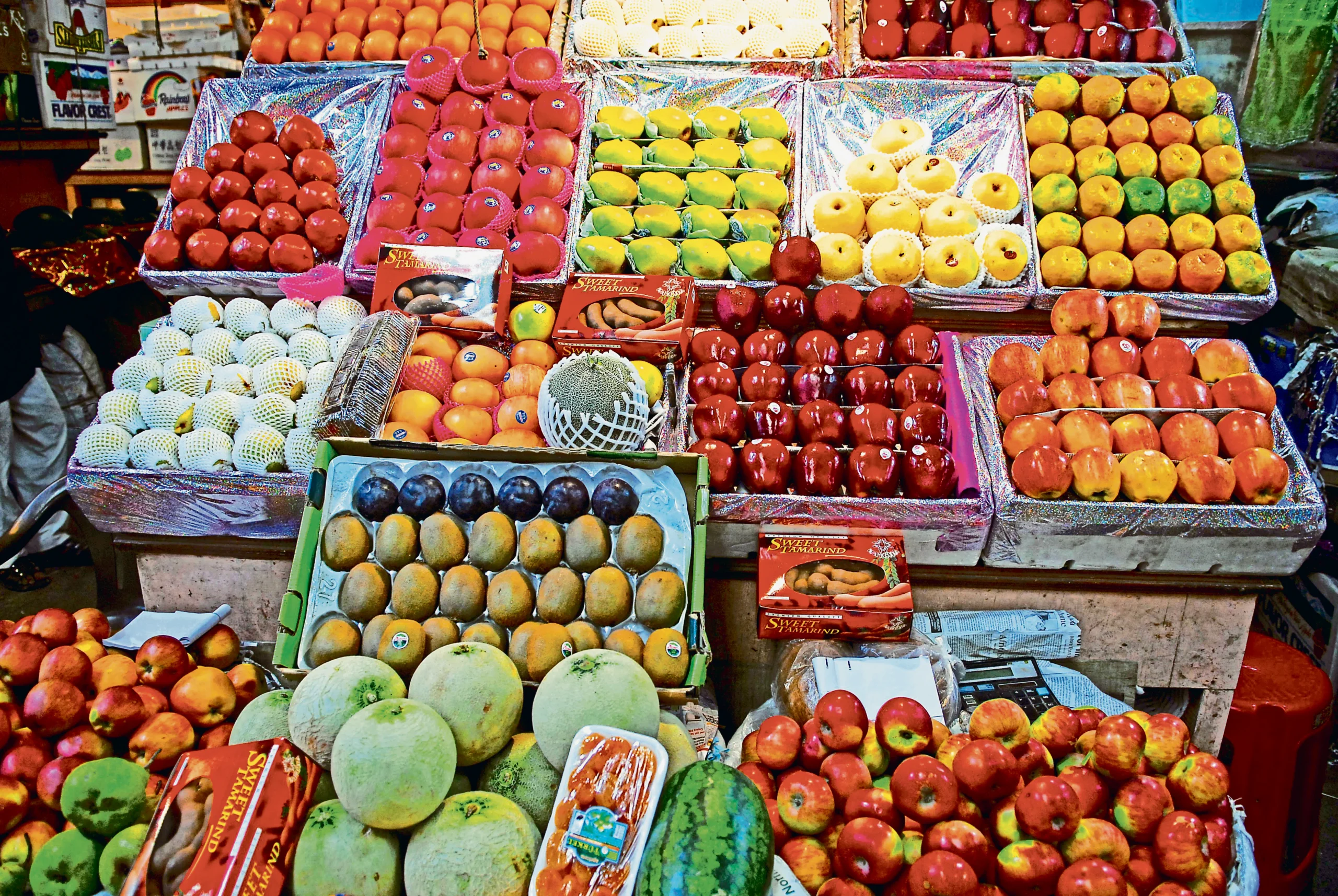
Northeast organic farming corridor initiatives gained major momentum after authorities confirmed expanded agricultural export access to multiple European Union nations. The large-scale agricultural development program aims to strengthen organic farming production, improve export logistics, and increase international market opportunities for farmers across Northeast India. Meanwhile, officials stated that the initiative could significantly improve rural income and global visibility for the region’s organic agricultural products.
Kolkata Silicon Valley Hub Draws Global Technology Expansion
Darjeeling Tea Estates Deploy AI For Climate Protection
Organic Export Network Expands Across Northeast India
Authorities confirmed that agricultural export corridors connecting northeastern states with international markets have expanded under new trade facilitation measures. Additionally, officials explained that improved certification systems and export logistics now support larger volumes of organic product shipments to European destinations.
The corridor reportedly includes farming clusters across Assam, Sikkim, Meghalaya, Nagaland, and Tripura. Consequently, farmers may gain broader access to premium international buyers seeking certified organic produce. Earlier, limited export infrastructure and certification barriers restricted overseas market participation for many agricultural communities.
Officials from the Agricultural and Processed Food Products Export Development Authority stated that the project aligns with India’s broader agricultural export expansion strategy. Furthermore, authorities indicated that future plans may include additional export processing hubs and international logistics partnerships.
European Markets Increase Demand For Organic Produce
Senior representatives from agricultural export agencies and trade organizations attended meetings linked to the export corridor expansion. Meanwhile, officials highlighted growing demand within European markets for pesticide-free tea, spices, fruits, herbs, and specialty agricultural products from Northeast India.
Authorities explained that organic farming practices in many northeastern regions already rely on low chemical usage and traditional cultivation methods. Specifically, this existing agricultural pattern strengthened the region’s potential for certified organic exports. In addition, trade analysts believe international consumer demand for sustainable food products may continue increasing over the coming years.
Several farming cooperatives welcomed the export expansion because international markets often offer higher prices for certified organic produce. However, agricultural experts emphasized the need for strict quality control and consistent certification compliance to maintain long-term export competitiveness. Despite this, officials stated that technical support systems remain available for participating farmers.
Farmers Receive Improved Market Access
The Northeast organic farming corridor project reportedly strengthened direct connections between farming groups, exporters, and international buyers. Additionally, authorities confirmed that digital trade platforms and improved transportation systems now support smoother agricultural supply chain operations.
Agricultural officials stated that small-scale farmers previously faced major difficulties accessing overseas markets independently. As a result, cooperative export models and integrated logistics systems may improve market participation for rural producers. Furthermore, authorities introduced training programs involving organic certification standards, packaging systems, and export documentation procedures.
Development experts noted that export-oriented organic agriculture can significantly improve rural income generation in geographically isolated regions. Therefore, expanded European market access may support long-term economic stability in farming communities across Northeast India.
Meanwhile, local agricultural entrepreneurs expressed optimism regarding future export opportunities linked to organic tea, ginger, turmeric, black rice, and medicinal plants. Several producers also reported increasing inquiries from foreign importers following recent export expansion announcements.
Infrastructure And Certification Systems Strengthened
Authorities confirmed that new cold storage systems, food testing laboratories, and export processing centers continue expanding across key agricultural districts. Additionally, officials explained that infrastructure modernization remains essential for maintaining international food safety standards.
Transportation planners stated that poor logistics and storage limitations previously affected agricultural export efficiency in remote regions. Consequently, authorities prioritized supply chain upgrades involving roads, rail connectivity, and cargo handling systems. Furthermore, export agencies introduced traceability technologies and digital monitoring systems to improve certification transparency.
The Northeast organic farming corridor also includes partnerships involving agricultural universities and research institutions. In addition, technical experts continue developing sustainable farming models suited to local climate conditions and ecological systems.
Earlier, policymakers launched several agricultural modernization initiatives focused on export growth and value-added food processing. At the same time, officials encouraged environmentally sustainable farming practices throughout the northeastern states.
Sustainable Farming Practices Gain International Recognition
Environmental organizations and agricultural researchers welcomed the export corridor expansion because organic farming often supports biodiversity conservation and reduced chemical usage. Additionally, sustainability experts noted that Northeast India’s ecological diversity strengthens its position within global organic agriculture markets.
Authorities stated that many farming communities already follow environmentally sustainable cultivation traditions passed through generations. Consequently, international certification systems may help transform traditional practices into globally recognized export industries. Furthermore, officials emphasized the importance of protecting soil health, forest ecosystems, and water resources during agricultural expansion activities.
Several international buyers reportedly expressed interest in ethically sourced agricultural products connected to indigenous farming communities. Meanwhile, agricultural policy experts stated that sustainable branding could improve long-term export competitiveness for northeastern produce.
Tourism planners also highlighted opportunities involving agro-tourism and farm-based tourism experiences connected to organic farming regions. However, experts warned that rapid commercial expansion must avoid excessive pressure on fragile ecosystems and traditional land-use systems.
Regional Economic Impact Expected To Grow
The Northeast organic farming corridor initiative may significantly influence rural economic development across multiple northeastern states. Additionally, agricultural economists believe stronger export access could encourage youth participation in modern farming enterprises.
Business organizations stated that export-oriented agriculture may stimulate secondary economic activity involving packaging, transportation, warehousing, and food processing industries. Consequently, rural commercial infrastructure may gradually expand in high-production farming zones. Furthermore, authorities expect rising investment in organic product branding and international marketing campaigns.
Officials also confirmed that women-led farming groups and tribal agricultural cooperatives participate actively in several corridor-linked projects. In addition, rural development agencies continue supporting financial inclusion programs connected to agricultural entrepreneurship initiatives.
Meanwhile, local farmers reported growing confidence regarding future income opportunities linked to export expansion. Authorities stated that long-term trade agreements and supply chain partnerships remain under active discussion with international buyers.
Future Agricultural Expansion Plans Continue
Government officials confirmed that additional export-focused agricultural projects remain under consideration across Northeast India. Specifically, authorities continue evaluating proposals involving organic processing industries, integrated logistics hubs, and international trade partnerships.
Experts believe global demand for sustainable food products will continue shaping future agricultural trade strategies. Moreover, Northeast India’s ecological advantages may strengthen the region’s role within international organic food markets over time.
The Northeast organic farming corridor project represents a major milestone for agricultural modernization and export growth in the region. Ultimately, officials expect the initiative to improve farmer income, strengthen sustainable agriculture, and expand Northeast India’s presence in global organic markets.
FAQs
What is the Northeast organic farming corridor?
The initiative is an agricultural export and infrastructure program supporting organic farming growth across Northeast India.
Which products are being exported to Europe?
Farmers are exporting organic tea, spices, herbs, fruits, black rice, turmeric, ginger, and other certified agricultural products.
Which organization supports the export corridor?
The Agricultural and Processed Food Products Export Development Authority supports agricultural export development and certification systems.
Why is the European market important for farmers?
European buyers often pay premium prices for certified organic and sustainably produced agricultural goods.
How may farmers benefit from the project?
Farmers may gain improved export access, better income opportunities, and stronger supply chain support through the corridor initiative.
What does Northeast organic farming corridor mean for regional development?
Northeast organic farming corridor expansion may strengthen rural economies, sustainable agriculture, and international trade opportunities across Northeast India.