

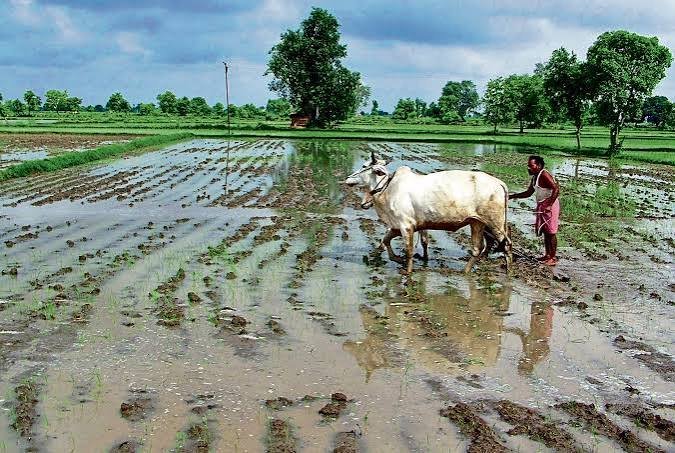
The Northeast monsoon rainfall deficit has emerged as a significant weather concern after the region recorded a combined rainfall shortfall of more than 40% during June and early July. The prolonged deficiency has raised concerns about agriculture, water resources, and overall monsoon performance across several northeastern states.
IMD Reports 71% Rainfall Deficit in Manipur Amid Weak Monsoon
Manipur Extends Rural Job Guarantee to 125 Days Under New Scheme
Region Experiences Widespread Rainfall Deficit
The Northeast monsoon rainfall deficit exceeded 40% across the region during June and early July. Consequently, several northeastern states experienced substantially lower rainfall than normal, prompting closer monitoring by weather and government agencies.
Moreover, the widespread shortfall has increased concerns about seasonal farming activities and water availability in rain-dependent areas.
The rainfall pattern reflects a challenging start to the monsoon season.
Agriculture and Water Resources Under Pressure
The Northeast monsoon rainfall deficit has intensified concerns over agricultural production and water management. Furthermore, reduced precipitation may affect crop sowing, irrigation, and reservoir levels if dry conditions persist.
Meanwhile, state governments continue to assess local conditions and coordinate preparedness measures to minimise the impact on farmers and rural communities.
Authorities remain vigilant as the monsoon season progresses.
Governments Monitor Weather Conditions
The Northeast monsoon rainfall deficit has prompted meteorological agencies and state administrations to monitor rainfall trends closely. In addition, officials are reviewing contingency plans and drought-response strategies to strengthen resilience against prolonged dry spells.
As a result, governments across the region are preparing measures to support vulnerable sectors if rainfall remains below normal.
Conclusion
The Northeast monsoon rainfall deficit surpassed 40% during June and early July, highlighting widespread rainfall shortages across the region. With agriculture and water resources under increasing pressure, governments and weather agencies continue to monitor conditions and prepare appropriate response measures to reduce the impact of the weak monsoon.
FAQs
1. How severe is the rainfall deficit in the Northeast?
The region recorded a combined monsoon rainfall deficit of more than 40% during June and early July.
2. Which areas are affected?
The rainfall shortage has affected multiple states across India’s Northeast region.
3. Why is the rainfall deficit important?
It may affect agriculture, water resources, irrigation, and rural livelihoods.
4. What are governments doing in response?
State governments are monitoring conditions and reviewing contingency measures to support affected sectors.
5. Which sectors face the greatest impact?
Agriculture, water management, and rain-dependent rural economies are among the most vulnerable.
6. Is the situation still being monitored?
Yes. Meteorological agencies and state authorities continue to track rainfall trends throughout the monsoon season.