

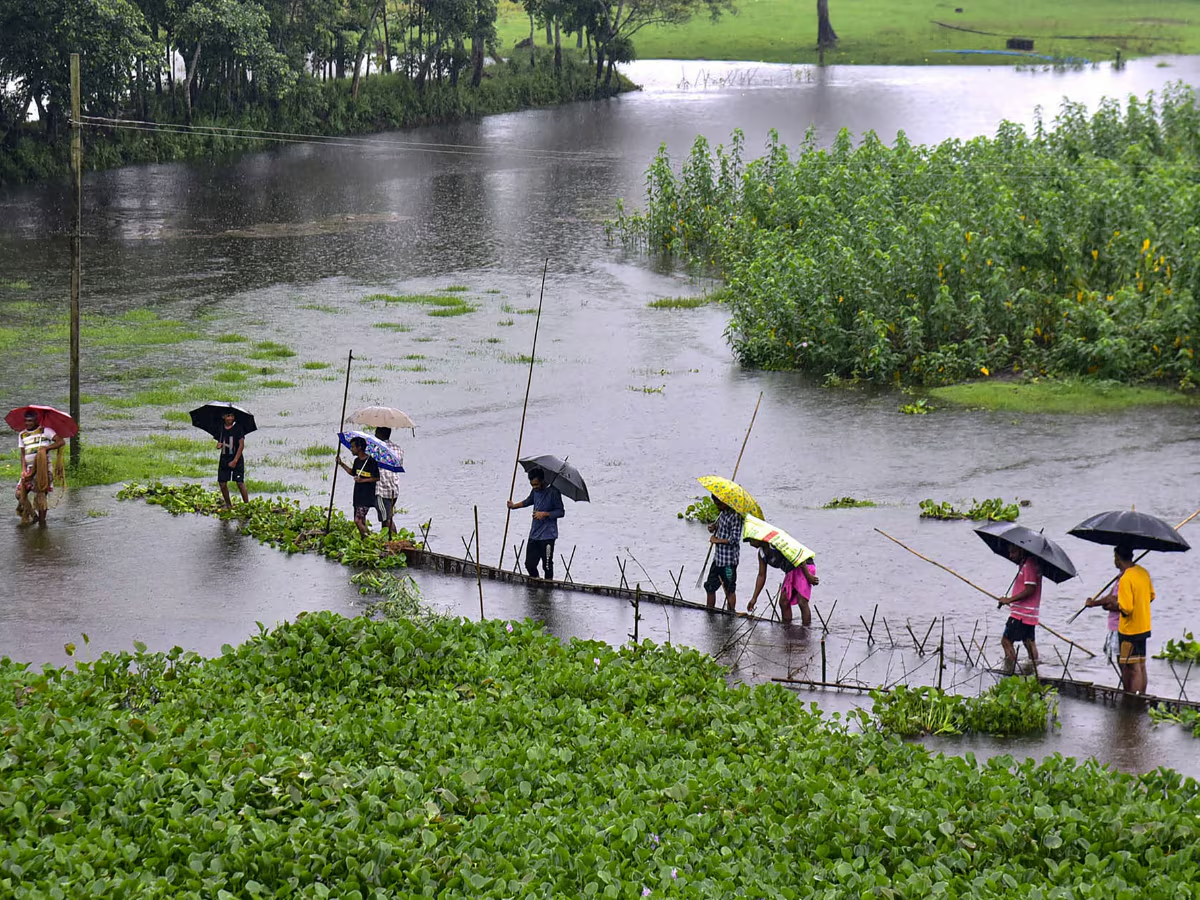
The Northeast Monsoon Rainfall Deficit became a major weather concern after meteorological data showed that the region recorded more than a 40% rainfall deficit during June and the early weeks of July. Moreover, the prolonged shortfall has raised concerns over agriculture, water availability, and river recharge across several northeastern states. Consequently, weather agencies are closely monitoring evolving monsoon patterns as forecasts indicate the possibility of improved rainfall activity during the remainder of the season.
Why Most Digital Marketing Courses Fall Short—and How The NexaLearn Is Changing the Game
Northeast Monsoon Rainfall Deficit Exceeds 40%
The Northeast Monsoon Rainfall Deficit crossed the 40% mark during June and early July, making it one of the most significant seasonal weather developments in the region. Furthermore, several northeastern states experienced below-normal rainfall, resulting in delayed monsoon progress and uneven precipitation.
Seasonal rainfall is essential for maintaining water resources, supporting agriculture, and replenishing groundwater reserves. Consequently, a prolonged rainfall deficit can affect multiple sectors of the regional economy.
Moreover, meteorological agencies continue evaluating rainfall trends and atmospheric conditions to understand the evolving monsoon pattern. Therefore, continuous weather monitoring remains a priority.
Additionally, officials are comparing rainfall data with long-term seasonal averages. Thus, updated assessments will help guide future planning.
Agriculture and Water Resources Face Challenges
The Northeast Monsoon Rainfall Deficit has created concerns for farmers and water resource managers across the region. Furthermore, reduced rainfall during the early part of the monsoon season may influence crop sowing, soil moisture, and irrigation requirements.
Agriculture in Northeast India depends heavily on timely monsoon rainfall. Consequently, delayed or below-normal precipitation may require farmers to adjust cultivation schedules.
Moreover, lower rainfall can reduce inflows into rivers, reservoirs, and groundwater systems. Therefore, authorities continue monitoring water availability across affected areas.
Similarly, agricultural departments are assessing field conditions to evaluate seasonal impacts. Additionally, efficient water management remains important throughout the monsoon season.
Weather Agencies Monitor Changing Monsoon Conditions
The Northeast Monsoon Rainfall Deficit is being closely monitored by meteorological agencies as weather conditions continue to evolve. Furthermore, experts are analyzing atmospheric systems to determine whether rainfall activity will improve during the remaining monsoon months.
The southwest monsoon often experiences fluctuations in rainfall intensity throughout the season. Consequently, weather forecasts are updated regularly to reflect changing conditions.
Moreover, timely weather information helps governments and local administrations prepare for both dry spells and periods of heavy rainfall. Therefore, continuous forecasting remains essential.
Similarly, improved forecasting technology enables more accurate seasonal assessments. Additionally, public awareness of official advisories supports better preparedness.
Improved Rainfall Could Reduce Seasonal Deficit
The Northeast Monsoon Rainfall Deficit may decrease if rainfall activity strengthens during the remaining weeks of the southwest monsoon. Furthermore, weather experts continue monitoring large-scale atmospheric patterns that influence rainfall across the region.
A stronger monsoon phase can improve soil moisture, replenish rivers, and support agricultural activities. Consequently, above-normal rainfall later in the season may partially offset the early deficit.
Moreover, coordinated planning by weather agencies and disaster management authorities remains important because increased rainfall can also create localized flooding. Therefore, balanced preparedness is necessary.
Similarly, farmers are encouraged to follow agricultural advisories based on updated weather forecasts. Additionally, continued monitoring will support informed decision-making throughout the monsoon season.
Conclusion
The Northeast Monsoon Rainfall Deficit of more than 40% during June and early July highlights the challenges posed by uneven monsoon activity across the region. Moreover, the rainfall shortfall has implications for agriculture, water resources, and overall seasonal planning.
Furthermore, meteorological agencies continue monitoring weather developments while forecasting potential improvements in rainfall during the coming weeks. Consequently, coordinated planning, effective water management, and timely public advisories will remain essential as the monsoon progresses.
Looking ahead, sustained weather monitoring, adaptive agricultural practices, and efficient resource management will play a vital role in minimizing the effects of the Northeast Monsoon Rainfall Deficit and supporting regional resilience.
FAQs
1. What is the Northeast Monsoon Rainfall Deficit?
It refers to the region recording more than a 40% shortfall in monsoon rainfall during June and early July compared with normal levels.
2. Why is the rainfall deficit important?
It can affect agriculture, water availability, groundwater recharge, and river flows across Northeast India.
3. Which period recorded the rainfall shortfall?
The deficit was reported during June and the early weeks of July.
4. Can the rainfall deficit improve later in the season?
Yes. Increased rainfall during the remaining monsoon months may reduce the overall seasonal deficit.
5. Why is the Northeast Monsoon Rainfall Deficit significant?
It highlights changing monsoon conditions, emphasizes the need for effective water management, and underscores the importance of continuous weather monitoring and agricultural preparedness.