


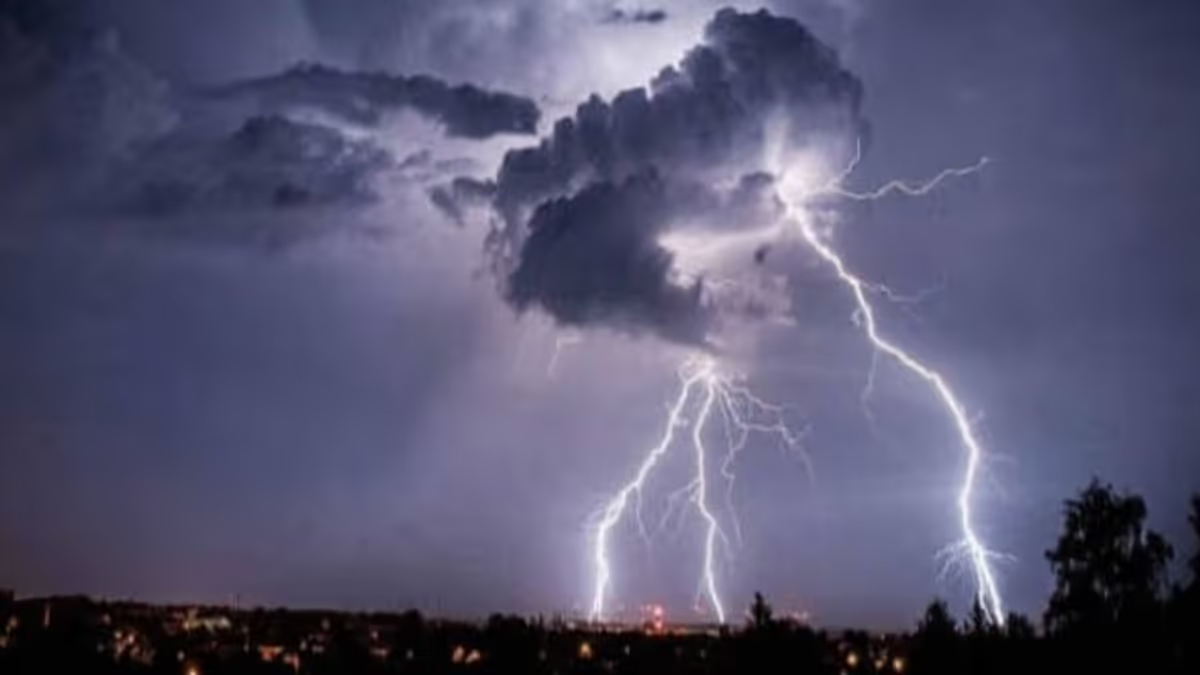
Northeast thunderstorm weather alert warnings intensified after the Indian Meteorological Department issued fresh advisories forecasting severe thunderstorms, heavy rainfall, lightning activity, and strong gusty winds across multiple northeastern states. Meanwhile, weather officials stated that unstable atmospheric conditions and advancing monsoon systems are generating widespread weather disturbances throughout the region. States including Assam, Meghalaya, Arunachal Pradesh, Nagaland, Manipur, Mizoram, and Tripura remain under close monitoring as authorities prepare for possible flooding, landslides, transport disruption, and localized infrastructure damage. Additionally, disaster management agencies increased coordination efforts and emergency preparedness following forecasts predicting continued adverse weather activity over the coming days.
The latest warning prompted district administrations to issue public advisories urging residents to remain cautious during periods of intense rainfall and thunderstorm activity. Furthermore, emergency teams and local authorities strengthened monitoring systems in vulnerable flood-prone and hill regions.
Park Circus Protest Escalates Over Demolition Drive
Lalduhoma Seeks YMA Partnership For Welfare
IMD Forecasts Widespread Severe Weather Activity
The Indian Meteorological Department released updated weather forecasts highlighting the risk of intense storms and heavy rainfall across Northeast India. Northeast thunderstorm weather alert advisories therefore triggered heightened preparedness among state governments and disaster response agencies.
Meanwhile, meteorologists explained that moisture-rich winds from the Bay of Bengal combined with atmospheric instability are strengthening thunderstorm systems across the region. Additionally, officials warned that isolated districts could witness very heavy rainfall accompanied by lightning strikes and strong surface winds.
Several northeastern states already experienced pre-monsoon weather fluctuations during recent days, including localized flooding and strong thunderstorms. Furthermore, IMD experts stated that unstable conditions may persist as monsoon patterns continue advancing eastward and northward.
Earlier, weather agencies recorded rising moisture levels and cloud formations over several northeastern districts. Consequently, authorities intensified surveillance of rivers, drainage systems, and vulnerable hill slopes susceptible to landslides.
At the same time, officials urged residents to follow verified weather updates and avoid unnecessary outdoor movement during severe storm periods.
Gusty Winds and Lightning Raise Safety Risks
Weather officials warned that strong winds and lightning activity may create dangerous conditions across urban and rural areas. Northeast thunderstorm weather alert forecasts therefore raised concerns regarding damage to infrastructure, electricity networks, and transportation systems.
Meanwhile, authorities stated that gusty winds accompanying thunderstorms may uproot trees, damage weak structures, and interrupt power supply in several districts. Additionally, lightning strikes remain a serious concern for agricultural workers, outdoor laborers, and residents traveling during active storm conditions.
Disaster response teams advised people to avoid open fields, water bodies, and unstable structures during thunderstorms. Furthermore, local administrations appealed to residents to secure loose materials and remain indoors whenever severe weather intensifies.
Several meteorologists observed that northeastern states frequently experience rapidly changing weather patterns during seasonal transitions linked to monsoon advancement. Consequently, localized storms may emerge suddenly even outside officially highlighted warning areas.
However, weather experts clarified that rainfall intensity and wind impact could vary significantly between districts depending on terrain and atmospheric movement.
Flood and Landslide Monitoring Intensifies
Authorities across Northeast India increased monitoring of flood-prone and landslide-sensitive zones following the IMD warning. Northeast thunderstorm weather alert preparations therefore focused heavily on districts vulnerable to heavy rainfall and slope instability.
Meanwhile, officials in Assam and Meghalaya reviewed flood-control systems and emergency response plans as rivers and drainage channels remained under observation. Additionally, authorities in Arunachal Pradesh and Nagaland intensified monitoring of mountain roads and hill corridors prone to landslides.
Experts explained that prolonged rainfall combined with fragile soil conditions may trigger road blockages and slope failures in elevated regions. Furthermore, urban waterlogging risks may increase if intense rainfall occurs within short durations.
Earlier, monsoon-related weather events disrupted transport connectivity and damaged infrastructure in several northeastern states. Consequently, emergency agencies maintained readiness for rescue operations, evacuations, and restoration activities if conditions worsen.
At the same time, local administrations advised residents living near rivers and unstable slopes to remain alert for sudden weather-related emergencies.
Transportation and Public Services Face Disruption Threat
Severe weather conditions may affect transportation networks and public services across several northeastern states. Northeast thunderstorm weather alert warnings therefore prompted precautionary planning by transport authorities and civic agencies.
Meanwhile, officials warned that heavy rainfall and poor visibility could disrupt highway movement, particularly along hill routes connecting remote districts. Additionally, urban areas may experience traffic congestion and temporary service interruptions because of waterlogging and fallen debris.
Railway authorities and airport operators closely monitored changing weather conditions as thunderstorms and gusty winds may affect operational schedules. Furthermore, electricity distribution agencies prepared emergency teams to respond quickly to outages caused by damaged power lines and uprooted trees.
Several educational institutions and local offices also reviewed contingency arrangements in case weather conditions deteriorate further. Consequently, residents were advised to remain prepared for possible travel delays and localized service disruptions.
At the same time, emergency control rooms remained active across multiple districts to coordinate rapid response efforts during weather-related incidents.
Early Monsoon Activity Strengthens Across Region
Meteorological experts linked the ongoing severe weather activity to strengthening early monsoon developments over eastern and northeastern India. Northeast thunderstorm weather alert conditions therefore reflect broader climatic transitions currently affecting the subcontinent.
Meanwhile, IMD scientists explained that increased moisture inflow from the Bay of Bengal continues fueling cloud formation and thunderstorm activity across the Northeast. Additionally, the region’s complex terrain often intensifies rainfall systems and localized weather disturbances.
Climate analysts observed that Northeast India remains highly vulnerable to extreme rainfall events because of its geography and environmental sensitivity. Furthermore, changing climate patterns may contribute to more unpredictable weather intensity and longer periods of instability.
Several environmental experts emphasized the need for stronger disaster preparedness infrastructure and climate-resilient planning across vulnerable districts. Consequently, northeastern states continue investing in weather monitoring systems and emergency management capabilities.
At the same time, agricultural communities monitored rainfall developments carefully because timely precipitation may benefit farming activities if severe flooding does not occur.
Authorities Urge Public Caution and Preparedness
Government agencies repeatedly urged citizens to remain cautious and rely on official weather advisories during the active warning period. Northeast thunderstorm weather alert notifications therefore emphasized public awareness, emergency preparedness, and responsible behavior.
Meanwhile, disaster management officials advised residents to avoid floodwaters, unstable slopes, and outdoor exposure during intense thunderstorms. Additionally, authorities recommended maintaining emergency supplies and ensuring communication devices remain functional during possible power disruptions.
Health departments also warned about increased risks of waterborne diseases and contamination following heavy rainfall. Furthermore, civic agencies instructed local communities to report drainage blockages, fallen trees, and landslide incidents immediately.
Earlier, several northeastern states strengthened district-level disaster coordination after experiencing repeated monsoon-related emergencies in recent years. Consequently, authorities continue improving emergency response systems and public communication strategies.
At the same time, weather experts stressed that forecasts may evolve rapidly depending on atmospheric developments during the coming days.
Conclusion
Northeast thunderstorm weather alert warnings intensified after the Indian Meteorological Department forecast severe thunderstorms, heavy rainfall, lightning activity, and gusty winds across multiple northeastern states. Meanwhile, authorities strengthened disaster preparedness measures amid concerns regarding floods, landslides, transport disruption, and infrastructure damage. Weather experts continue monitoring active atmospheric systems linked to advancing monsoon conditions over the region. Ultimately, officials urged residents to remain vigilant and follow verified advisories as unstable weather patterns continue affecting Northeast India.
FAQs
Which states are affected by the IMD weather alert?
States including Assam, Meghalaya, Arunachal Pradesh, Nagaland, Manipur, Mizoram, and Tripura are under alert.
What weather conditions did IMD forecast?
The department forecast severe thunderstorms, heavy rainfall, lightning, and strong gusty winds.
Why is Northeast thunderstorm weather alert important?
The warning involves risks of flooding, landslides, transport disruption, and damage to infrastructure.
Could transportation services face disruption?
Yes, heavy rain and storms may affect roads, railways, flights, and urban traffic systems.
Are disaster response agencies preparing for emergencies?
Authorities increased monitoring, emergency coordination, and preparedness measures across vulnerable districts.
Is the weather activity linked to the monsoon?
Yes, meteorologists stated that advancing monsoon systems are strengthening severe weather conditions.