

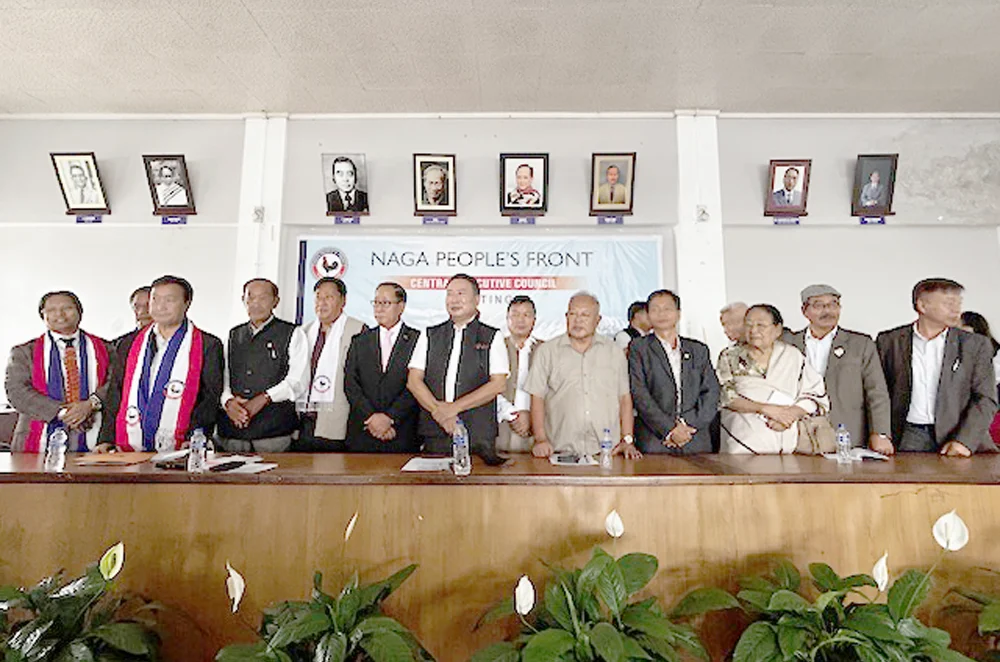
The NPF and RPP Integration process moved forward after the Naga People’s Front (NPF) finalized its merger blueprint with the Rising People’s Party (RPP). The proposed framework aims to strengthen regional political cooperation and consolidate support ahead of future political engagements.
The NPF and RPP Integration has entered a significant phase as the Naga People’s Front (NPF) finalized its merger blueprint with the Rising People’s Party (RPP). The proposed plan seeks to bring the two regional political parties closer through an agreed framework designed to enhance cooperation. Moreover, the development reflects ongoing efforts among regional political organizations to strengthen their collective presence.
Political mergers and strategic alliances often aim to improve organizational coordination and expand electoral outreach. Therefore, the finalized blueprint represents an important procedural step in the broader integration process between the two parties.
Aromatic Agarwood Subsidies Boost Northeast Agro-Export Clusters for Premium Oil Production
NPF and RPP Integration Advances with Merger Blueprint
The Naga People’s Front confirmed that it has finalized a merger blueprint with the Rising People’s Party. The framework outlines the proposed structure for integrating the two organizations while establishing a roadmap for future cooperation.
Moreover, party leaders indicated that the initiative is intended to strengthen regional political coordination. Consequently, the merger blueprint provides a foundation for discussions on organizational alignment and joint political strategies.
The announcement marks progress in the integration process, although the implementation of the blueprint will depend on subsequent organizational and procedural decisions.
Objectives Behind the NPF and RPP Integration
The NPF and RPP Integration aims to consolidate the strengths of both regional political parties under a coordinated framework. According to the announcement, the merger blueprint seeks to fortify regional political support while improving organizational unity.
Furthermore, political integration can enable parties to combine resources, streamline decision-making, and strengthen communication with supporters. Therefore, the finalized blueprint represents an effort to establish a more coordinated regional political platform.
The initiative also reflects the evolving nature of regional politics, where parties often explore alliances or mergers to improve organizational effectiveness and political representation.
Regional Political Cooperation Takes Center Stage
The merger blueprint highlights the importance of cooperation among regional political organizations. Moreover, collaborative political structures may enable parties to address shared priorities through coordinated planning and unified leadership.
Similarly, political mergers require careful organizational planning to ensure smooth integration of leadership structures, membership, and policy coordination. Consequently, the finalized blueprint provides an initial framework for managing these processes.
Meanwhile, observers will monitor future developments as both parties continue discussions regarding the implementation of the proposed merger framework.
NPF and RPP Integration Could Shape Future Political Strategy
The latest NPF and RPP Integration initiative demonstrates how regional political parties continue to evaluate organizational strategies in response to changing political landscapes. Furthermore, merger proposals often seek to strengthen institutional capacity while expanding political outreach.
The finalized blueprint represents an administrative milestone rather than the completion of the integration process. Therefore, additional procedural steps may be required before the merger framework is fully implemented.
Moreover, continued dialogue between the two parties will remain important as they work toward achieving the objectives outlined in the blueprint. Transparent communication and organizational coordination will likely influence the success of the proposed integration.
Conclusion
The NPF and RPP Integration has progressed with the Naga People’s Front finalizing its merger blueprint with the Rising People’s Party. The proposed framework reflects a shared effort to strengthen regional political cooperation and establish a coordinated organizational structure.
Moreover, the initiative highlights the strategic importance of political collaboration among regional parties seeking to enhance their institutional effectiveness. By developing a structured merger blueprint, both organizations have taken an important step toward deeper political coordination.
Overall, the finalized framework marks the beginning of a new phase in discussions between the two parties. Future developments will depend on the implementation of the proposed blueprint and the organizational decisions taken by the respective leaderships.
FAQs
1. What is the NPF and RPP Integration?
The NPF and RPP Integration refers to the proposed merger process between the Naga People’s Front and the Rising People’s Party through a finalized integration blueprint.
2. Which parties are involved in the merger blueprint?
The merger blueprint involves the Naga People’s Front (NPF) and the Rising People’s Party (RPP).
3. What is the purpose of the integration?
The proposed integration aims to strengthen regional political cooperation, improve organizational coordination, and consolidate political support.
4. Does the finalized blueprint complete the merger?
No. The finalized blueprint establishes the proposed framework for integration. Further organizational and procedural steps may be required before full implementation.
5. Why do political parties pursue mergers?
Political parties may pursue mergers to improve coordination, strengthen organizational capacity, expand political outreach, and enhance their overall effectiveness.