

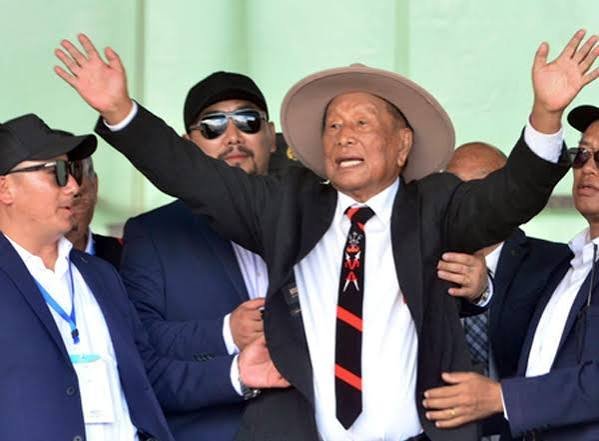
The NSCN/GPRN has reportedly issued a strong political communique reaffirming its position that the original Framework Agreement must receive full and faithful implementation without modifications. The statement adds renewed focus to the long-running Naga peace process and the unresolved differences surrounding the agreement.
The group’s position underlines its insistence that the commitments contained in the original framework should remain intact. Moreover, the demand could add pressure to ongoing negotiations as stakeholders continue searching for a political settlement acceptable to all sides.
The development comes amid renewed calls from Nagaland leaders for faster progress on the broader Naga Political Issue.
Sovereignty Reiteration: Centre Reaffirms Arunachal Pradesh as an Integral Part of India
NSCN/GPRN Reaffirms Framework Agreement Position
The NSCN Framework Agreement demand centres on the group’s insistence that the original agreement should remain unchanged.
According to the political communique, the NSCN/GPRN wants the framework to receive full recognition and implementation. Furthermore, the group’s position indicates that any attempt to alter the agreement could face resistance.
The statement therefore reinforces an existing point of contention within the peace process.
Framework Agreement Remains Central to Talks
The Framework Agreement represents a major milestone in the Naga peace process.
The agreement established a political framework for further negotiations between the Government of India and the NSCN (IM). Moreover, subsequent discussions have focused on translating the framework into a final political settlement.
Differences over interpretation and implementation have contributed to the complexity of the negotiations.
NSCN Seeks Unmodified Implementation
The latest communique places particular emphasis on preserving the original framework.
The NSCN/GPRN’s position suggests that it does not support modifications that could alter the agreement’s fundamental commitments. Additionally, the demand highlights the importance the group places on maintaining the political understanding reached through negotiations.
The government’s position and response will remain important as discussions continue.
Naga Peace Process Faces Complex Challenges
The Naga peace process involves multiple stakeholders with different expectations.
Questions concerning political arrangements, Naga identity, administrative structures, territorial issues, and constitutional mechanisms have complicated negotiations. Furthermore, achieving a final agreement requires balancing these demands with India’s constitutional and political framework.
The latest NSCN statement adds another dimension to these ongoing discussions.
Centre’s Response Could Shape Next Steps
The response from the Central Government could influence the next phase of negotiations.
Authorities may need to address the group’s concerns while maintaining dialogue with other Naga political organisations. Moreover, any final settlement would need to consider the interests of different communities and stakeholders across the region.
Careful negotiation will therefore remain essential.
Multiple Stakeholders Add Complexity
The Naga political process does not involve only one organisation.
Various Naga groups and civil society organisations have expressed different views regarding the eventual settlement. Additionally, Nagaland’s state government has repeatedly called for an inclusive and acceptable resolution.
Reconciling these positions remains one of the central challenges facing negotiators.
Political Settlement Remains the Larger Goal
Despite differences over the Framework Agreement, the broader objective remains a durable political settlement.
Such an agreement could provide greater political clarity and strengthen long-term peace and stability in Nagaland and the wider Northeast. Furthermore, a successful settlement could create stronger conditions for development and economic opportunities.
The current disagreement demonstrates why reaching consensus remains difficult.
Implementation Could Be as Important as Agreement
A final political agreement would require more than formal signatures.
Authorities and stakeholders would need to establish clear mechanisms for implementing its provisions. Moreover, questions involving administration, institutions, finances, and legal procedures could require detailed arrangements.
The NSCN’s latest statement shows that implementation terms remain a crucial part of the debate.
Rio’s Appeal Adds Context
Nagaland Chief Minister Neiphiu Rio has also called for an early, honourable, and acceptable solution to the Naga Political Issue.
His appeal highlights the state’s desire to see greater momentum in the peace process. Additionally, the NSCN/GPRN’s reaffirmation of its position comes at a time when political leaders are again pressing for progress.
Both developments underline the urgency surrounding the negotiations.
What Happens Next?
The immediate focus will remain on dialogue between the Central Government and Naga political stakeholders.
Further discussions could examine the interpretation of the Framework Agreement and the concerns surrounding its implementation. Furthermore, negotiators may need to identify areas where differences can be resolved without undermining the core expectations of the parties involved.
The ability to maintain dialogue will remain crucial.
Conclusion
The NSCN Framework Agreement demand has renewed attention on the future of the Naga peace process. The NSCN/GPRN’s latest political communique reportedly insists that the original Framework Agreement must be fully honoured without modifications.
Moreover, the statement highlights continuing differences over the interpretation and implementation of the framework. At the same time, calls from Nagaland’s political leadership for an early and acceptable settlement underline the urgency of resolving the long-standing issue.
Overall, preserving dialogue and finding common ground will remain essential as stakeholders work toward a durable Naga political settlement.
FAQs
1. What has the NSCN/GPRN demanded?
The group has reportedly demanded that the original Framework Agreement be fully honoured and implemented without modifications.
2. Why is the Framework Agreement important?
It established a major political framework for negotiations between the Government of India and the NSCN (IM) during the Naga peace process.
3. What makes the Naga peace process difficult?
The process involves complex issues surrounding political identity, governance, constitutional arrangements, territorial concerns, and the interests of multiple stakeholders.
4. Could the latest statement affect negotiations?
It could add pressure to the negotiations by reinforcing the NSCN/GPRN’s position on preserving the original framework.
5. What is the broader objective of the peace process?
The broader objective is to achieve a durable, honourable, and acceptable political settlement that supports long-term peace and stability in Nagaland and the wider Northeast.