

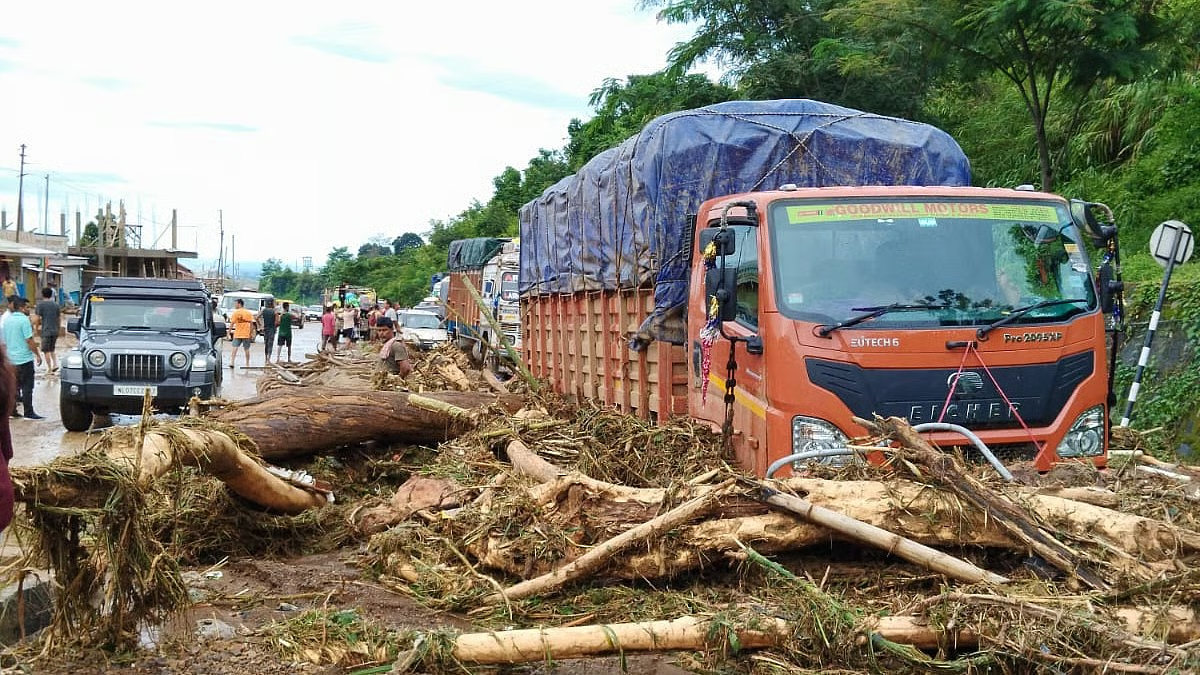
The Nagaland State Disaster Management Authority (NSDMA) has issued a critical advisory identifying several high-risk landslide zones along the Dimapur-Kohima bypass, urging commuters, transport operators, and local authorities to exercise extreme caution during the ongoing monsoon season. The warning comes amid intensified rainfall activity and growing concerns over slope instability, road blockages, and potential disruptions to one of the state’s most important transportation corridors. Moreover, disaster management officials have emphasized the need for increased vigilance and adherence to safety advisories to minimize risks to life and property.
Cross-Border Arms Intercept Foils Smuggling
NSDMA Identifies Vulnerable Landslide Zones
Nagaland’s disaster management authorities have released a list of vulnerable stretches along the Dimapur-Kohima bypass that are considered particularly susceptible to landslides and road collapses. Consequently, commuters have been advised to avoid unnecessary travel during periods of heavy rainfall.
According to officials, continuous precipitation and unstable hill slopes have increased the likelihood of landslides, rockfalls, and road subsidence. Moreover, transportation authorities have been instructed to monitor conditions closely and respond rapidly to any emergencies. Therefore, precautionary measures have been intensified along the route.
Authorities emphasized that early warning systems and regular monitoring remain essential for preventing accidents and ensuring public safety. Furthermore, emergency response teams have been placed on alert to address any disruptions. As a result, disaster preparedness measures have been strengthened.
Meanwhile, local administrations continue to coordinate with relevant agencies to assess evolving risks. Consequently, regular updates are expected to be issued.
Dimapur-Kohima Bypass Remains a Critical Transport Corridor
The Dimapur-Kohima bypass serves as one of Nagaland’s most important transportation routes, connecting major population centers and facilitating the movement of goods and passengers. Moreover, disruptions along this corridor can have significant economic and logistical consequences. Therefore, authorities are prioritizing risk mitigation measures.
Officials noted that landslides and severe weather conditions frequently affect mountainous transport networks during the monsoon season. Consequently, infrastructure monitoring and maintenance activities have been intensified. Such efforts remain crucial for maintaining connectivity and public safety.
Furthermore, transport operators have been advised to exercise caution, particularly during periods of intense rainfall and reduced visibility. As a result, safety advisories have been circulated widely.
Meanwhile, road maintenance agencies remain engaged in monitoring vulnerable stretches. Similarly, emergency response resources have been positioned strategically.
Authorities Urge Public Vigilance During Monsoon Season
The NSDMA advisory has stressed the importance of public cooperation and vigilance during the ongoing monsoon period. Moreover, residents and travelers have been encouraged to follow official advisories and avoid travel through hazardous areas whenever possible. Therefore, public awareness remains a central component of disaster preparedness efforts.
Officials advised commuters to monitor weather forecasts, heed traffic advisories, and report signs of slope instability or road damage. Consequently, community participation is expected to play an important role in minimizing risks. Such preventive actions contribute significantly to disaster management efforts.
Furthermore, authorities emphasized that timely information sharing can help prevent accidents and facilitate emergency responses. As a result, communication channels remain active.
Meanwhile, disaster management agencies continue to review weather patterns and infrastructure conditions. Similarly, preparedness measures remain in force across vulnerable districts.
Disaster Preparedness and Infrastructure Resilience Gain Importance
The latest advisory underscores the growing importance of disaster preparedness and infrastructure resilience in mountainous regions. Moreover, increasingly frequent extreme weather events continue to challenge transportation networks and public safety systems. Therefore, long-term mitigation and adaptation strategies remain critical.
Experts have noted that strengthening infrastructure, improving slope stabilization measures, and enhancing monitoring systems can significantly reduce disaster risks. Consequently, authorities continue to prioritize investment in resilient infrastructure development. Such measures contribute to improved public safety and sustainable development.
Furthermore, coordinated efforts among disaster management agencies, transport departments, and local administrations remain essential. As a result, preparedness and response mechanisms continue to evolve.
Meanwhile, authorities remain committed to protecting lives and maintaining critical connectivity. Similarly, ongoing assessments are expected to guide future mitigation efforts.
Conclusion
The Nagaland State Disaster Management Authority’s warning regarding high-risk landslide zones along the Dimapur-Kohima bypass highlights the serious challenges posed by the monsoon season and mountainous terrain. Moreover, the advisory reinforces the importance of vigilance, preparedness, and coordinated response measures.
The identification of vulnerable stretches serves as an important reminder of the need for public caution and infrastructure resilience. Therefore, authorities continue to prioritize safety, monitoring, and emergency preparedness.
As weather conditions evolve, disaster management agencies remain focused on minimizing risks and ensuring the safety of commuters and communities across the state.
FAQs
1. Which authority issued the landslide warning?
The Nagaland State Disaster Management Authority (NSDMA) issued the advisory.
2. Which route has been identified as high-risk?
The advisory concerns vulnerable stretches along the Dimapur-Kohima bypass.
3. Why was the warning issued?
The warning was issued due to increased landslide risks during the ongoing monsoon season.
4. What precautions have authorities recommended?
Authorities have advised avoiding unnecessary travel, monitoring weather updates, and following official advisories.
5. Why is the Dimapur-Kohima bypass important?
It is a major transportation corridor connecting key regions of Nagaland.