


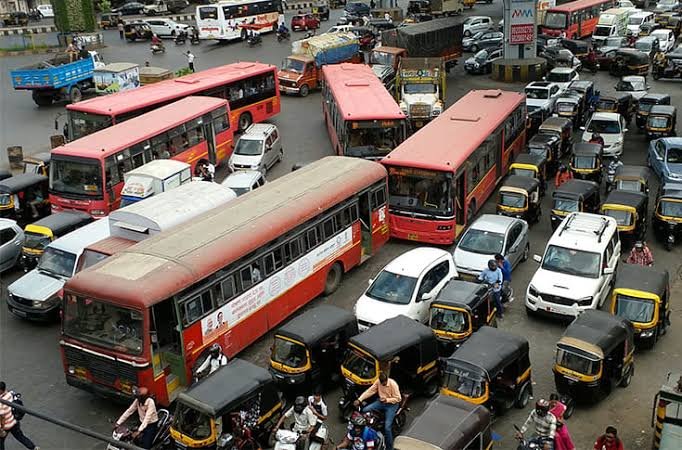
The Pakyong Light Vehicle Access update brings some relief to commuters as routes across Pakyong district have reportedly been cleared for light-motor vehicles. However, authorities continue to maintain strict surveillance because road conditions remain sensitive following recent weather-related disruptions. Consequently, motorists are expected to follow traffic instructions and exercise caution on vulnerable stretches.
Bana Kaih 3.0 Brings Major Youth Jobs and Farm Support in Mizoram
Pakyong Light Vehicle Access Brings Limited Connectivity Relief
The Pakyong Light Vehicle Access decision allows movement to resume on routes considered sufficiently clear for smaller vehicles. Nevertheless, the permission remains limited, meaning heavier vehicles may continue to face restrictions depending on individual road conditions.
Such restrictions can help authorities balance the need for connectivity with road safety. Moreover, light vehicles generally place less pressure on road surfaces and vulnerable structures than heavy commercial vehicles.
The development is particularly relevant for residents who rely on local roads for daily travel. Additionally, reopening selected routes can improve access to markets, workplaces, schools and essential services while authorities continue restoration and monitoring work.
However, commuters should not interpret limited access as a complete return to normal conditions. Road users may still encounter damaged surfaces, loose debris, narrow passages or other hazards along affected stretches.
Road Conditions Remain Under Close Surveillance
The Pakyong Light Vehicle Access comes amid continuing attention to road connectivity across the district. Government road-condition records have previously documented multiple disruptions in the Pakyong subdivision, including blockages caused by landslides, formation damage and other weather-related problems.
Furthermore, officials have continued to emphasise coordination between road agencies and district authorities. In August, the Chief Secretary reviewed connectivity around the 20th Mile stretch of NH-10 and directed agencies to work toward restoring uninterrupted movement. The Roads and Bridges Department was also asked to keep the Samardung road motorable as an alternative route.
Meanwhile, the Pakyong District Collector and Superintendent of Police have been involved in traffic and movement-management planning. Such coordination becomes especially important when road conditions change quickly.
Therefore, the decision to permit only light vehicles reflects a cautious approach. Authorities can gradually restore movement while continuing to observe the stability of roads and surrounding slopes.
Weather Risks Continue to Influence Pakyong Connectivity
The Pakyong Light Vehicle Access also highlights the continuing impact of monsoon-related risks on Sikkim’s road network. Heavy rainfall can weaken slopes, damage road formations and increase the possibility of debris reaching carriageways.
Consequently, authorities often need to reassess roads even after they become temporarily passable. A road that appears clear at one point can become unsafe if fresh rainfall triggers another slip or drainage failure.
Official road-condition records from Pakyong have previously listed several affected routes. For example, the Assamlingzey–Pakyong road has experienced blockages around Rongrong Khola, while other routes have faced closures and restoration work.
Moreover, Sikkim has experienced repeated monsoon disruptions on major corridors. NH-10, for instance, has faced recurring landslide-related interruptions, prompting authorities to regulate traffic and use alternative routes during repair operations.
These circumstances explain why authorities may allow only selected categories of vehicles. Restricting traffic can reduce pressure on vulnerable road sections while restoration and safety assessments continue.
Authorities Prioritise Safe Movement Across Pakyong
The Pakyong Light Vehicle Access is therefore best viewed as a controlled reopening rather than an unrestricted return to normal traffic. Authorities can continue surveillance while allowing essential local movement to resume.
Additionally, traffic personnel can monitor vehicle movement and respond if conditions deteriorate. Such surveillance becomes particularly important on roads affected by recent rainfall, slips or structural damage.
The administration’s wider approach also focuses on maintaining alternative connectivity when major routes face disruption. During the August review of NH-10, the Chief Secretary directed agencies to keep the Samardung road motorable and also asked the Border Roads Organisation to keep the Rangpo–Rorathang road open while undertaking improvement work.
Meanwhile, road users should continue following instructions from traffic and district authorities. Drivers travelling through vulnerable areas should avoid unnecessary stops and remain alert to changing road conditions.
Furthermore, authorities may revise traffic permissions depending on rainfall, road stability and restoration progress. Therefore, the present permission for light vehicles should not be treated as a permanent traffic arrangement.
The controlled movement nevertheless represents an important step for local connectivity. If conditions remain stable, authorities can assess whether broader traffic movement can safely resume in the affected areas.
Conclusion
The Pakyong Light Vehicle Access update provides limited connectivity relief as routes across the district are reportedly being permitted for light-motor vehicles under strict surveillance. However, continued monitoring remains essential because Sikkim’s mountainous roads remain vulnerable to rainfall, landslides and formation damage. Therefore, commuters should follow official traffic directions and remain cautious until authorities confirm that conditions have fully stabilised.
FAQs
1. What is the latest Pakyong Light Vehicle Access update?
Routes across Pakyong district have reportedly been cleared for light-motor vehicles under continued surveillance, although restrictions may remain for heavier vehicles.
2. Why are only light vehicles being permitted?
Limited access can reduce pressure on vulnerable roads and allow authorities to maintain connectivity while monitoring road stability and carrying out further restoration.
3. Are Pakyong roads completely safe now?
The permission for light vehicles does not necessarily mean every road has returned to normal conditions. Authorities continue to monitor vulnerable stretches.
4. Has Pakyong faced road disruptions before?
Yes. Official Sikkim road-condition records have documented several Pakyong routes affected by blockages, landslides and formation damage during previous weather events.
5. What should commuters do while travelling through Pakyong?
Travellers should follow traffic restrictions, drive carefully and check the latest official road-status information before using routes affected by weather or restoration work.
[…] Pakyong Light Vehicle Access Allowed as Routes Remain Under Strict Surveillance […]
[…] Pakyong Light Vehicle Access Allowed as Routes Remain Under Strict Surveillance […]
[…] Pakyong Light Vehicle Access Allowed as Routes Remain Under Strict Surveillance […]
[…] Pakyong Light Vehicle Access Allowed as Routes Remain Under Strict Surveillance […]