


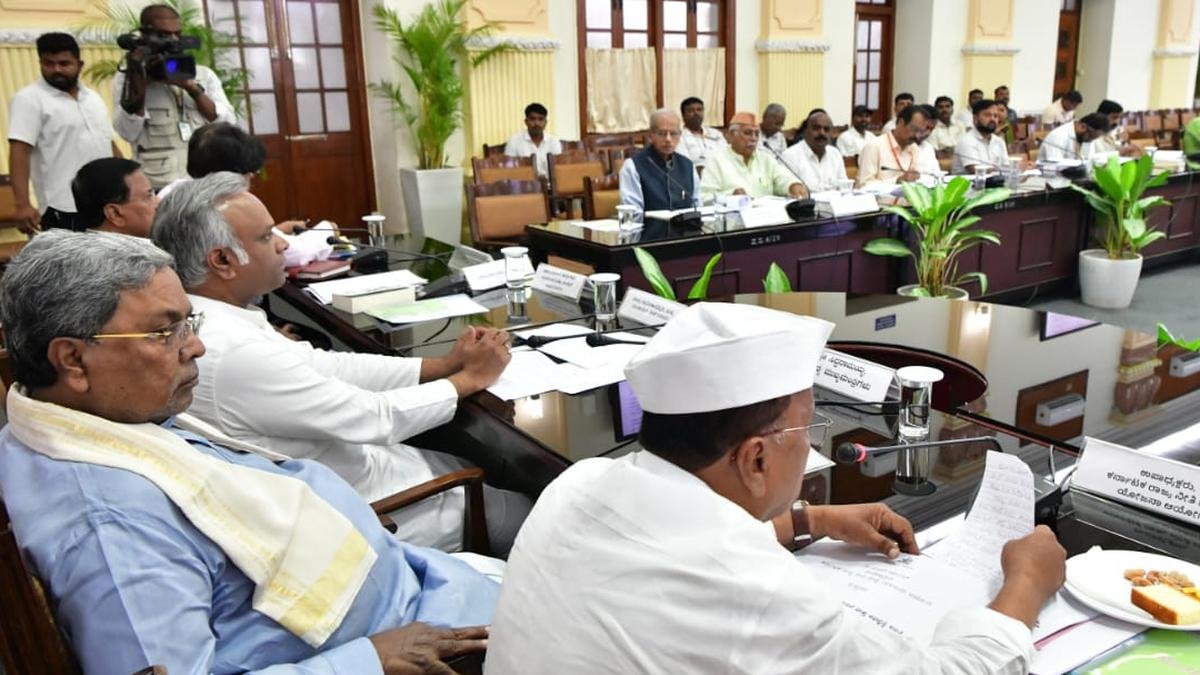
The Paschim Tripura Development Blueprint took shape as the Paschim Tripura Zilla Parishad convened its District Sabha meeting to coordinate development priorities and public works planning for the coming 26 to 27 months. The session was chaired by Biswajit Shil and brought together representatives from multiple government departments responsible for infrastructure, rural development, public services, and welfare programs. Officials used the platform to discuss district-level requirements, align departmental objectives, and strengthen coordination among agencies. The meeting highlighted the importance of integrated planning in ensuring that development projects are implemented efficiently and that public resources are utilized effectively to address local needs across the district.
Northeast Institutional Capacity Workshop Gains Focus
NEIINFRA 2026 Summit Establishing Public-Private Investment Roadmap
District Sabha Brings Departments Together
The Paschim Tripura Development Blueprint was a central focus of the District Sabha meeting, which gathered officials from various line departments under a common platform. Such meetings are considered important because they provide opportunities for administrative bodies to coordinate priorities and avoid duplication of efforts in development activities.
Representatives from departments associated with public infrastructure, rural development, social welfare, agriculture, health, education, and civic services participated in the discussions. By bringing these stakeholders together, the Zilla Parishad sought to create a comprehensive framework that reflects local requirements and supports balanced development across different sectors.
Officials emphasized that effective coordination is essential for successful implementation of public projects. Development initiatives often involve multiple agencies, making communication and planning critical to ensuring smooth execution. The District Sabha therefore served as a forum for identifying common objectives and establishing mechanisms for collaboration.
Participants reviewed existing development programs while also discussing emerging needs within villages and local communities. Attention was given to infrastructure improvements, service delivery enhancements, and measures designed to improve quality of life for residents.
The meeting demonstrated the importance of decentralized governance structures in identifying local priorities and ensuring that development planning remains responsive to community concerns.
Focus on Public Works and Budget Coordination
A major objective of the gathering was to align development spending with identified district priorities. The Paschim Tripura Development Blueprint includes efforts to coordinate public works budgets and ensure that financial resources are directed toward projects capable of generating meaningful benefits for residents.
Budget planning plays a critical role in development administration because it determines how resources are allocated among competing needs. Officials discussed the importance of prioritizing projects that contribute to infrastructure development, service accessibility, and economic opportunities within the district.
Participants also examined methods for improving coordination between departments responsible for implementing development programs. Better synchronization can help reduce delays, strengthen accountability, and improve project outcomes. Authorities noted that integrated budgeting supports more effective use of public funds and allows departments to work toward shared objectives.
Discussions included the need for regular monitoring and evaluation of ongoing projects. Tracking progress helps identify challenges early and enables administrators to make adjustments when necessary. This approach is expected to strengthen implementation efficiency and support timely completion of development initiatives.
The emphasis on budget coordination reflects a broader commitment to ensuring that public investments are aligned with local priorities and deliver tangible results for communities.
Long-Term Planning for District Growth
The Paschim Tripura Development Blueprint is intended to guide development activities over the next 26 to 27 months, providing a structured framework for future initiatives. Long-term planning is often viewed as essential for achieving sustainable development because it enables authorities to align short-term actions with broader strategic goals.
Officials highlighted the importance of anticipating future requirements rather than focusing solely on immediate concerns. Population growth, infrastructure demands, service delivery expectations, and economic development opportunities all require careful planning to ensure that resources remain adequate and projects remain relevant.
The District Sabha reviewed opportunities to strengthen rural infrastructure, improve connectivity, enhance public facilities, and support social development initiatives. By adopting a forward-looking approach, administrators aim to create a roadmap capable of addressing both current and future challenges.
Development experts frequently note that long-term planning improves policy consistency and helps institutions manage resources more effectively. A clear strategic framework can also support coordination among departments by providing common goals and measurable objectives.
The discussions reflected an effort to establish a development agenda that balances immediate community needs with broader aspirations for growth and modernization throughout the district.
Importance of Decentralized Governance in Development
The meeting also highlighted the broader role of local governance institutions in shaping development outcomes. Zilla Parishads and other decentralized bodies serve as important mechanisms for identifying local needs and ensuring that community perspectives are incorporated into planning processes.
District-level planning allows authorities to tailor development initiatives to local conditions. Different regions often face distinct challenges related to infrastructure, livelihoods, public services, and resource management. Decentralized governance helps ensure that these factors are considered when development strategies are formulated.
Officials stressed that collaboration between elected representatives and administrative departments remains essential for successful implementation. Public participation and local feedback can help improve project design and ensure that initiatives address genuine community priorities.
The District Sabha model provides a platform for discussion, coordination, and consensus-building among stakeholders. Such forums encourage transparency and strengthen institutional cooperation while supporting more effective governance.
Observers note that integrated planning processes can contribute to improved service delivery and more efficient use of public resources. By bringing together multiple departments and decision-makers, local governments can create development strategies that are both comprehensive and responsive to public needs.
The District Sabha meeting of the Paschim Tripura Zilla Parishad marked an important step toward coordinated district planning and administrative collaboration. Through discussions involving multiple departments, officials worked to establish priorities, align budgets, and strengthen implementation strategies for the coming years. The Paschim Tripura Development Blueprint reflects a commitment to structured planning, efficient resource utilization, and community-focused development. As projects move from planning to execution, continued coordination among departments and local institutions will remain essential for achieving development objectives and improving public services across the district.
Q1. What was the purpose of the District Sabha meeting?
The meeting was held to coordinate development priorities, public works planning, and budget allocation across the district.
Q2. Who chaired the meeting?
The session was chaired by Sabhadhipati Biswajit Shil of the Paschim Tripura Zilla Parishad.
Q3. Which stakeholders participated in the discussions?
Representatives from various government line departments attended the meeting.
Q4. What does the Paschim Tripura Development Blueprint refer to?
It refers to the coordinated district development planning framework discussed for the next 26 to 27 months.
Q5. Why is budget coordination important in development planning?
It helps ensure that resources are allocated efficiently and aligned with priority projects.
Q6. What role do local governance institutions play in development?
They help identify local needs, coordinate implementation, and improve responsiveness to community concerns.