


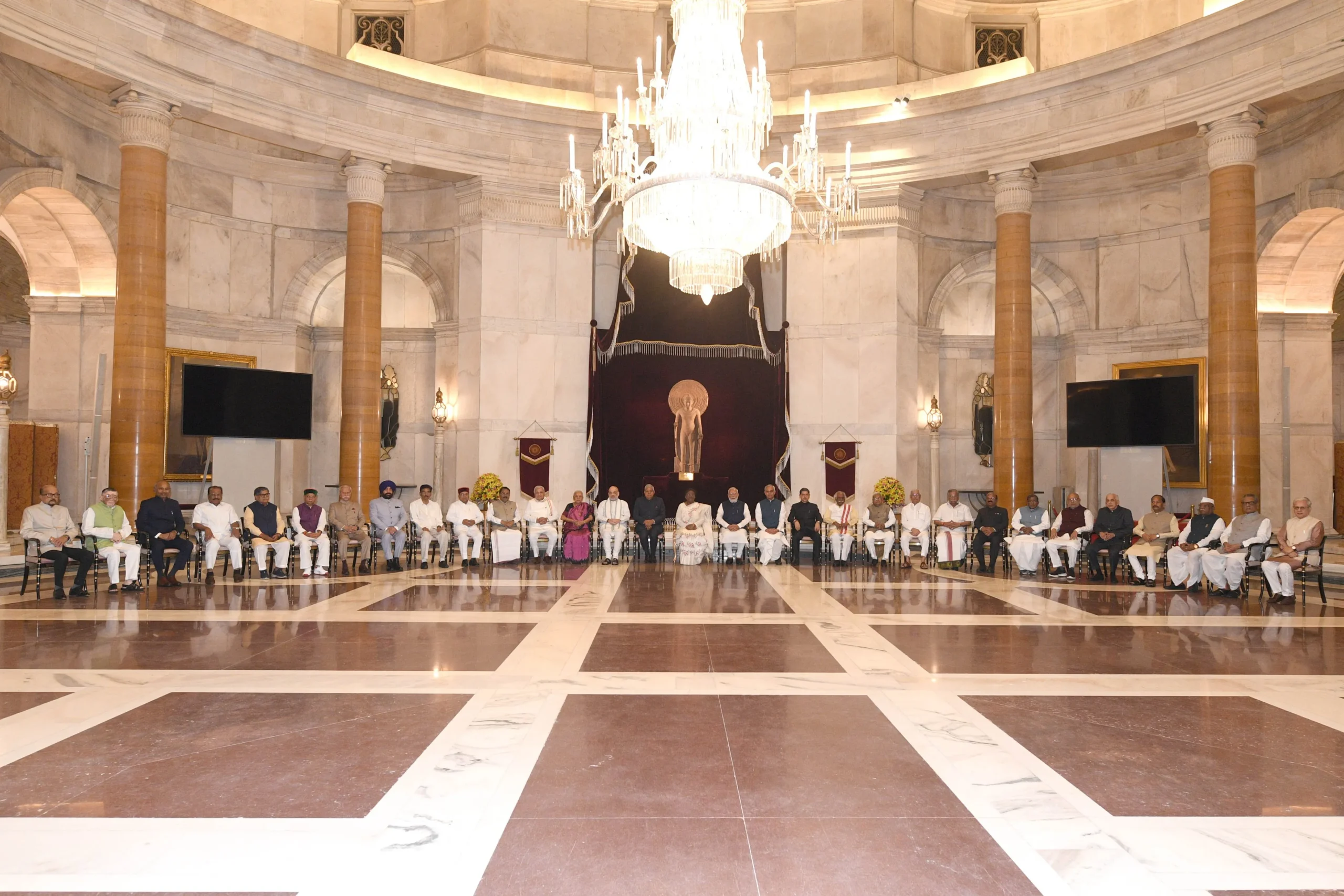
The Tripura Governor Delhi Meeting drew attention after Governor Indrasena Reddy Nallu met President Droupadi Murmu at Rashtrapati Bhavan. During the interaction, the Governor submitted a routine briefing concerning the state’s security environment and current political developments. Such meetings are a regular feature of India’s constitutional framework and provide an opportunity for Governors to share updates regarding administrative, political, and governance-related matters in their respective states. The interaction also reflected the ongoing communication between constitutional authorities at the state and national levels, helping ensure that important developments are conveyed through established institutional channels.
Paschim Tripura Development Blueprint Planning Advances
Nitin Gadkari Announces Major Connectivity Push Across Northeastern States
Governor Calls on President at Rashtrapati Bhavan
The Tripura Governor Delhi Meeting took place at Rashtrapati Bhavan in New Delhi, where Governor Indrasena Reddy Nallu met President Droupadi Murmu as part of an official engagement. Meetings between Governors and the President are conducted periodically and form an important aspect of constitutional governance in India.
Governors serve as the constitutional heads of states and play a significant role in maintaining communication between state administrations and the Union government. Consequently, interactions with the President often provide an opportunity to discuss developments related to governance, administration, public welfare, and institutional functioning.
Officials indicated that the meeting included the submission of a routine report concerning Tripura’s current situation. Such reports are generally intended to keep the President informed about major developments within a state, including matters related to security, governance, and political activity.
The interaction underscored the importance of established constitutional practices that facilitate coordination and information sharing. These engagements help strengthen institutional communication while ensuring that constitutional authorities remain informed about developments across different parts of the country.
Observers note that routine briefings contribute to transparency within governance structures and support informed decision-making when necessary. As a result, such meetings are regarded as a normal and important part of India’s administrative framework.
Security Situation Featured in Official Briefing
A key component of the Tripura Governor Delhi Meeting was the submission of information regarding the state’s security environment. Security-related updates are commonly included in official reports because maintaining law and order remains a fundamental responsibility of state administrations.
Tripura has witnessed significant progress in strengthening security mechanisms over the years. Government agencies and law enforcement institutions regularly monitor developments to ensure stability and address emerging challenges effectively. Periodic assessments help authorities evaluate the effectiveness of existing measures and identify areas requiring additional attention.
During constitutional briefings, Governors may provide broad overviews of security conditions, ongoing administrative initiatives, and institutional preparedness. Such discussions help create a comprehensive understanding of the situation within a state while facilitating communication between state and national constitutional offices.
Security assessments are particularly important because they contribute to informed governance and support coordinated responses when required. Administrative authorities routinely review developments related to public safety, border management, and law enforcement to maintain stability and public confidence.
The inclusion of security-related information in the briefing reflects the continuing importance of regular monitoring and reporting within the broader framework of governance and administration.
Political Developments Also Reviewed
The Tripura Governor Delhi Meeting also included a routine update concerning political developments in the state. Political briefings are a standard component of constitutional communication because they provide insights into the functioning of democratic institutions and the broader political environment.
Tripura’s political landscape continues to be shaped by activities involving elected representatives, political parties, local governance institutions, and public policy initiatives. Governors often remain informed about such developments as part of their constitutional responsibilities.
Routine political updates do not necessarily indicate any extraordinary circumstances. Instead, they generally serve to keep constitutional authorities informed about the functioning of government institutions, legislative activities, and other matters relevant to state administration. Such communication helps maintain continuity and transparency within the constitutional system.
Political analysts note that regular exchanges between constitutional offices contribute to institutional stability. By ensuring that developments are communicated through formal channels, governance processes can operate more effectively and predictably.
The review of political conditions during the meeting reflects a long-standing administrative practice aimed at maintaining awareness of developments that may influence governance and public administration. These discussions form part of normal constitutional interactions between state and national authorities.
Importance of Constitutional Communication
Meetings between Governors and the President highlight the importance of communication within India’s constitutional framework. The exchange of information helps ensure that constitutional authorities remain updated regarding developments across states while supporting effective governance.
Governors occupy a unique position within the federal structure. They function as constitutional heads of states and are entrusted with responsibilities that include safeguarding constitutional processes, facilitating communication, and providing reports when required. Their interactions with the President therefore carry administrative and institutional significance.
Regular briefings contribute to continuity in governance by ensuring that developments are documented and communicated through appropriate channels. Such interactions also reinforce the principles of accountability and transparency that underpin democratic administration.
Constitutional experts often emphasize that established communication mechanisms strengthen cooperation between different levels of government. Effective information sharing supports informed decision-making and helps maintain confidence in public institutions. Consequently, meetings of this nature remain an important feature of India’s governance system.
The recent interaction between the Governor of Tripura and the President serves as another example of the routine constitutional processes that support coordination, oversight, and communication. While the meeting focused on standard administrative updates, it also reflected the enduring importance of institutional engagement within the country’s democratic framework.
The Tripura Governor Delhi Meeting reaffirmed the role of constitutional communication in maintaining effective governance and administrative coordination. Governor Indrasena Reddy Nallu’s interaction with President Droupadi Murmu at Rashtrapati Bhavan included a routine briefing on the state’s security and political situation, reflecting established constitutional practices. Such engagements help ensure that national and state constitutional authorities remain informed about important developments while strengthening institutional cooperation. As governance systems continue to rely on transparency, accountability, and regular communication, meetings of this nature remain an essential component of India’s federal and democratic structure.
Q1. Who met the President in New Delhi?
Governor Indrasena Reddy Nallu of Tripura met President Droupadi Murmu at Rashtrapati Bhavan.
Q2. Where was the meeting held?
The interaction took place at Rashtrapati Bhavan in New Delhi.
Q3. What was discussed during the meeting?
The Governor submitted a routine briefing on the state’s security and political situation.
Q4. What does Tripura Governor Delhi Meeting refer to?
It refers to the official meeting between the Governor of Tripura and the President of India in New Delhi.
Q5. Why are such meetings important?
They support constitutional communication and keep national authorities informed about developments in states.
Q6. Are these meetings part of normal governance procedures?
Yes, Governors periodically provide updates and briefings as part of established constitutional practices.