


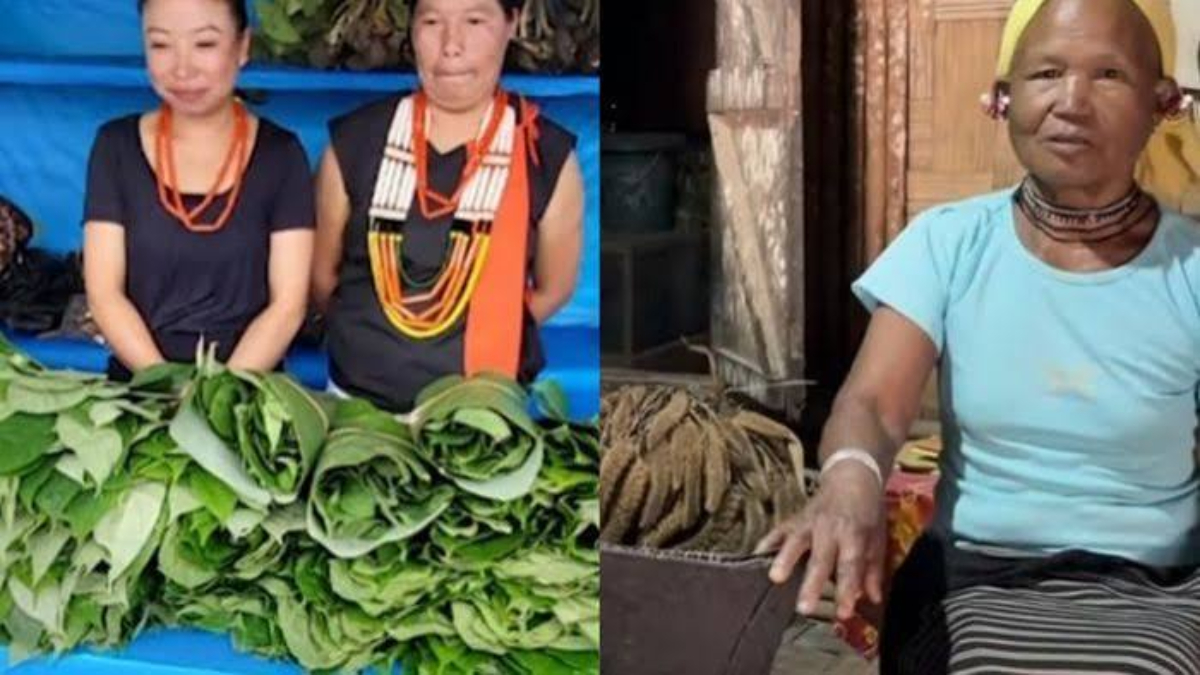
Millet farming in Meghalaya and Nagaland received national attention after Prime Minister Narendra Modi highlighted grassroots initiatives reviving traditional crops in the Northeast during the 139th episode of his monthly radio programme, Mann Ki Baat, on October 25, 2026. He cited examples of farmers adopting modern cultivation methods, women entrepreneurs developing millet-based food products and communities restoring agricultural traditions that had gradually disappeared. The initiatives demonstrate how traditional crops can create livelihood opportunities while preserving local food cultures and strengthening rural economies.
PM Modi Highlights Northeast’s Traditional Millet Cultivation
During his address, Modi recalled that India marked 2023 as the International Year of Millets, an initiative that increased global awareness of these nutritious grains. He noted that the Northeast has a long history of millet cultivation, although changing agricultural practices and declining interest had caused many communities to move away from traditional crops.
The Prime Minister highlighted developments in three Meghalaya and Nagaland villages: Khanduli and Sadolpara in Meghalaya, and Kezoma in Nagaland. Their experiences show how local entrepreneurship, improved farming practices and community participation can help restore millet cultivation.
He said these initiatives reflected the potential of traditional agriculture to support village prosperity while protecting cultural heritage.
Meghalaya Farmer Chekjing Sangma Boosts Millet Production
In Sadolpara village in Meghalaya’s West Garo Hills district, farmer Chekjing Sangma has adopted modern methods to cultivate millets after recognising the crop’s importance.
According to the Prime Minister, Sangma’s initiative has increased his income and encouraged greater awareness of millet cultivation among villagers. His experience illustrates how farmers can combine traditional crops with improved agricultural techniques to create better economic opportunities.
The initiative also highlights the importance of individual farmers in encouraging wider participation. By demonstrating the potential benefits of millet cultivation, local agricultural pioneers can motivate other households to reconsider crops that may have lost popularity over time.
For rural communities, renewed interest in traditional grains can support agricultural diversity and open opportunities for locally produced food products.
Women Entrepreneurs Revive Millet Farming in Khanduli
In Khanduli village in Meghalaya’s West Jaintia Hills district, two women friends have helped revive interest in millets through food processing and value addition.
Millets have remained part of the village’s food culture for generations, but the number of farmers cultivating them had declined. To address this trend, the women began developing products that could attract new consumers and create additional demand for the traditional grain.
Their products include millet-based cookies, cakes, muffins and baby food. By transforming locally grown grains into a wider range of food items, they have helped increase sales and encourage farmers to resume cultivation.
The initiative demonstrates the role women entrepreneurs can play in strengthening rural economies. Rather than relying solely on the sale of raw agricultural produce, value-added products can help local communities reach different consumer groups and improve the commercial potential of traditional crops.
It also offers an example of how entrepreneurship can connect farming with food processing, product development and local market opportunities.
Nagaland Village Restores Millet Cultivation After a Decade
In Nagaland, Modi highlighted the revival of millet cultivation in Kezoma village in Kohima district. According to his address, cultivation of the traditional crop had stopped for more than a decade, leaving an entire generation unfamiliar with a grain their grandparents once grew.
The community resumed millet cultivation in 2024, marking an important step towards restoring its agricultural heritage. In 2025, Kezoma organised its first-ever millet festival, creating a platform to celebrate the crop and raise public awareness.
Modi also noted that demand for millet-based products was growing in the region. The village’s experience illustrates how community participation and cultural initiatives can help reconnect younger generations with traditional farming practices.
The revival could also create opportunities for farmers and local producers as interest in millet-based foods expands.
How Millet Farming Can Strengthen Rural Livelihoods
The examples highlighted in Mann Ki Baat underline the economic potential of traditional grains when cultivation is supported by modern methods, food processing and consumer awareness.
Millets can help diversify farming activities and create opportunities beyond the farm, particularly when entrepreneurs develop products for local markets. Greater demand for processed foods can, in turn, encourage farmers to increase production and preserve traditional crop varieties.
These initiatives also underline the importance of involving young people and women in agricultural enterprises. Their participation can bring new ideas to farming communities while helping preserve knowledge passed down through generations.
For Meghalaya and Nagaland, the renewed interest in millets offers a practical example of linking agricultural heritage with emerging livelihood opportunities.
The initiatives highlighted by Modi show that reviving traditional crops requires more than returning to older farming practices. Farmers, entrepreneurs and communities must work together to create demand, improve production and ensure that the benefits reach rural households. As interest in millet-based products grows, these efforts could help preserve the Northeast’s agricultural traditions while supporting more diverse and sustainable rural livelihoods.
Northeast India’s Musical Talent Wins Global Spotlight at Major Cultural Festival