


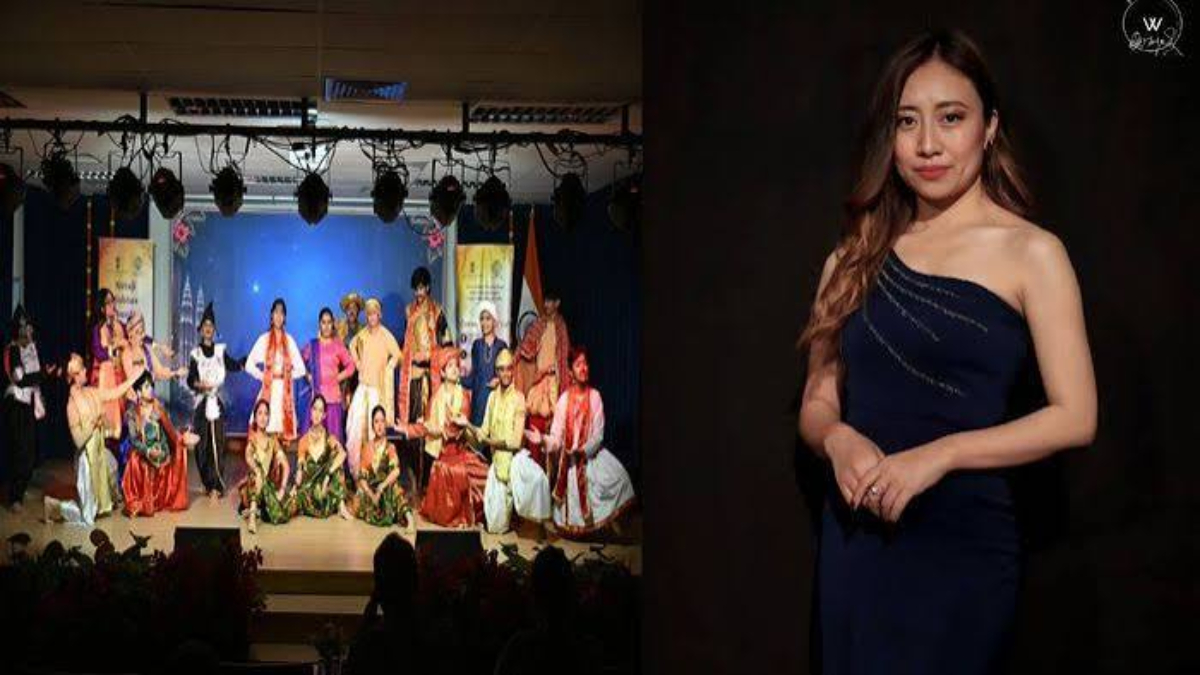
Northeast India’s musical talent received international recognition at the India-Malaysia International Cultural Festival 2026, which brought together young artists, educators and cultural representatives from India, Malaysia and Indonesia. Held from October 17 to 22, the festival celebrated music, dance, visual arts and educational exchange, providing an important platform for artists to share their skills and traditions across national borders. The participation of New Delhi-based soprano and vocal trainer Chanshim Makunga, an alumna of the Nagaland Conservatory of Music, highlighted the growing contribution of musicians from the Northeast to international cultural engagement.
India-Malaysia International Cultural Festival Promotes Global Exchange
Organised by India’s Art & Aesthetics Foundation (TAAF), the festival brought together more than 150 students and 50 teachers and principals representing six schools across the participating countries.
The event aimed to encourage artistic development, cultural understanding and international collaboration through performances, workshops and educational programmes. By bringing together participants from different cultural backgrounds, it offered young artists opportunities to learn from one another and explore diverse artistic traditions.
The festival was inaugurated on October 17 at the Netaji Subhash Chandra Bose Indian Cultural Centre (NSCBICC) in Kuala Lumpur. India’s High Commissioner to Malaysia, Somnath Ghosh, Deputy High Commissioner Hitesh Rajpal and other dignitaries, artists and cultural representatives attended the opening ceremony.
Young performers presented classical, folk and contemporary performances, showcasing the cultural diversity of their respective countries. These presentations demonstrated how music and other art forms can create connections between communities while preserving distinctive cultural identities.
Chanshim Makunga Highlights Northeast India’s Musical Talent
A major highlight of the festival was a vocal masterclass conducted by Chanshim Makunga on October 19 at the Faculty of Creative Arts, University of Malaya.
Based in New Delhi, Makunga is a trained soprano and voice educator who specialises in Western classical music, contemporary voice and choral music. Her participation brought attention to the professional expertise emerging from the Northeast’s music education institutions and the region’s contribution to international artistic exchange.
An alumna of the Nagaland Conservatory of Music, Makunga represents the connection between regional music education and broader professional opportunities. Her work in vocal training and performance also demonstrates how musicians can contribute to cultural programmes beyond performing on stage.
The masterclass provided an educational dimension to the festival, allowing participants to engage with vocal techniques, musical interpretation and performance practices. Such sessions can help aspiring singers improve their skills while gaining exposure to approaches used by experienced performers and educators.
Her involvement placed the Northeast in the spotlight not only as a source of musical performers but also as a region contributing to music education and artistic development.
Cultural Programmes Extend Beyond Music
The festival’s activities continued beyond the opening ceremony and vocal masterclass. Further performances and educational engagements took place at the University of Cyberjaya and the University of Malaya, followed by a cultural programme in Ipoh.
Senior artists, music teachers, gurus and other resource persons contributed to sessions combining artistic practice with cross-cultural learning. The programme brought music, dance and visual arts together with experiential education, creating opportunities for students to understand traditions different from their own.
The involvement of educational institutions was particularly significant because it connected cultural performances with structured learning. Students could observe artistic practices, exchange ideas and establish relationships with peers from other countries.
These interactions also highlighted the importance of cooperation between cultural organisations, schools and universities in creating meaningful international opportunities for emerging artists.
Northeast India’s Musical Talent Gains Wider Recognition
The festival’s focus on artistic exchange reflects the wider potential of Northeast India’s musical talent to reach audiences beyond the region. States such as Nagaland, Assam, Meghalaya, Manipur, Mizoram, Tripura, Arunachal Pradesh and Sikkim have diverse musical traditions, alongside contemporary performers working across genres.
The participation of an artist trained at the Nagaland Conservatory of Music illustrated how regional institutions can contribute to professional music education and international engagement. Such exposure can help build recognition for musicians from the region while creating opportunities for collaboration, teaching and further artistic development.
International cultural platforms also enable performers to introduce audiences to different musical styles and creative approaches. At the same time, they encourage artists to learn from other traditions without losing their own cultural identity.
For young musicians, participation in workshops and collaborative performances can offer valuable experience in communication, stage presentation and cross-cultural teamwork. These skills can support future opportunities in performance, education and the wider creative industries.
Building Stronger Cultural Ties Between Countries
The India-Malaysia International Cultural Festival 2026 also underlined the role of arts and education in strengthening relationships between countries. By bringing together participants from India, Malaysia and Indonesia, the event created a shared space for cultural appreciation and international friendship.
Music and dance offered accessible ways for participants to understand one another’s backgrounds, while educational sessions encouraged more direct exchanges of knowledge. The combination of performances and learning activities helped make the festival more than a showcase of artistic ability.
For India, such initiatives provide opportunities to present the country’s cultural diversity internationally. They also enable artists from regions that receive comparatively less national visibility to contribute to global conversations about music, performance and creative education.
Sustained partnerships between institutions and cultural organisations could further expand these opportunities, helping emerging performers access training, international networks and collaborative projects.
The festival concluded on October 22 after six days of performances, learning activities and cultural interaction. Its emphasis on young people and educational exchange demonstrated how artistic collaboration can create connections across borders. Chanshim Makunga’s participation offered a notable example of the contribution of Northeast India’s musicians to this process, reinforcing the importance of recognising regional talent and creating platforms where it can flourish internationally.
Remarkable Return: Amur Falcons Apapang and Alang Reach Manipur After Crossing 23 Countries