


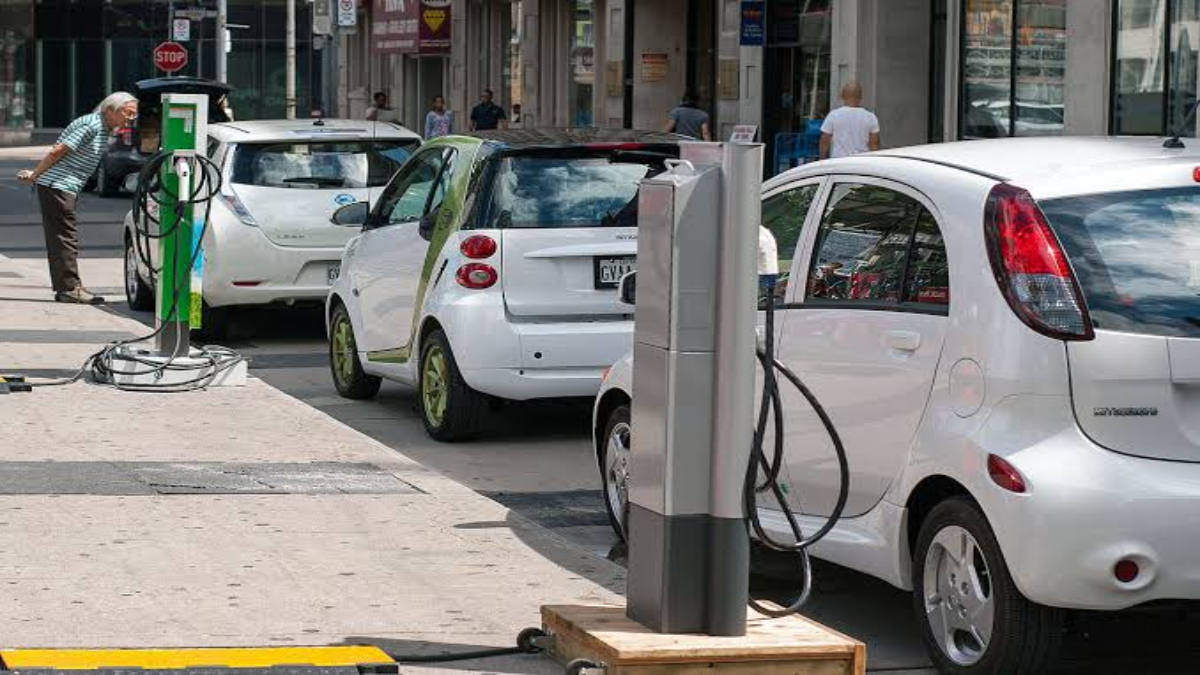
Meghalaya EV Policy 2026 marks a significant step towards promoting clean and sustainable transportation in the state. The Meghalaya Cabinet has approved the new electric vehicle policy, offering a Rs 25,000 purchase incentive to eligible electric vehicle buyers. The policy is aimed at accelerating EV adoption, reducing dependence on fossil fuels, lowering carbon emissions, and strengthening charging infrastructure across Meghalaya. The initiative is expected to benefit both consumers and the environment while supporting the state’s broader vision for green mobility.
Meghalaya Cabinet approves new EV policy
The Meghalaya Cabinet has approved the Meghalaya EV Policy 2026, replacing the earlier framework introduced in 2021. The revised policy simplifies incentives and introduces a flat subsidy of Rs 25,000 for eligible electric vehicle buyers, making EV ownership more affordable for residents.
The government believes the new policy will encourage more people to shift from conventional petrol and diesel vehicles to cleaner electric alternatives. The initiative also aligns with India’s national objectives of promoting sustainable mobility and reducing greenhouse gas emissions.
Chief Minister Conrad K. Sangma has consistently highlighted the need for cleaner urban transport, and the policy complements recent efforts such as the induction of electric buses under the PM eBus Sewa Scheme.
How the Meghalaya EV Policy 2026 benefits buyers
One of the biggest highlights of the policy is the Rs 25,000 financial incentive for eligible electric vehicle purchasers. The subsidy is intended to reduce the upfront cost of buying an EV, making electric mobility more accessible.
Apart from the purchase incentive, the policy seeks to encourage widespread EV adoption through supportive measures such as:
- Expanding public EV charging stations.
- Promoting private investment in charging infrastructure.
- Encouraging the electrification of government and commercial vehicle fleets.
- Supporting environmentally friendly transportation across urban and rural areas.
These measures are expected to improve consumer confidence while addressing concerns related to charging accessibility.
Focus on charging infrastructure
The success of electric mobility depends largely on the availability of reliable charging facilities. Recognising this, the government has placed considerable emphasis on expanding charging infrastructure throughout the state.
Public charging stations are expected to be established at strategic locations, including cities, highways, commercial centres, and tourist destinations. Improved charging availability will help reduce range anxiety, one of the primary concerns among prospective EV buyers.
The policy also encourages collaboration with private companies and stakeholders to build a robust charging ecosystem across Meghalaya.
Meghalaya EV Policy 2026 supports green transportation
The new policy forms part of Meghalaya’s broader environmental strategy to reduce vehicular pollution and encourage sustainable development.
Electric vehicles produce zero tailpipe emissions, helping improve air quality while reducing dependence on fossil fuels. With increasing awareness of climate change, the government sees EV adoption as an important tool for creating cleaner and healthier cities.
The policy also complements ongoing initiatives promoting renewable energy, sustainable urban planning, and eco-friendly public transportation.
Economic opportunities under the new policy
Besides environmental benefits, the policy is expected to generate economic opportunities.
The expansion of charging infrastructure could attract private investment, while increased EV adoption may create employment in vehicle servicing, charging station operations, battery maintenance, and related industries.
Local businesses involved in EV sales, maintenance, and charging services may also benefit from rising demand as electric mobility becomes more mainstream.
The government’s push towards green transportation is expected to contribute to long-term sustainable economic growth alongside environmental conservation.
Building on earlier EV initiatives
The state had earlier introduced the Meghalaya Electric Vehicle Policy 2021, which provided incentives based on battery capacity and offered exemptions from road tax for electric vehicles. The new policy simplifies the incentive structure while continuing the state’s commitment to promoting EV adoption.
The government has also taken several complementary steps in recent years, including introducing electric buses and inviting private participation for developing public charging infrastructure across Meghalaya. These initiatives demonstrate a long-term commitment to building a comprehensive EV ecosystem.
MEA fact-checks viral post claiming ‘no foreign funding for CJP’ as misleading — here’s the truth
A major boost for sustainable mobility
The approval of the Meghalaya EV Policy 2026 signals the state’s renewed commitment to cleaner transportation and environmental sustainability. By offering a Rs 25,000 incentive to electric vehicle buyers and strengthening charging infrastructure, the government aims to make EV ownership more practical and affordable. As charging networks expand and public awareness grows, the policy is expected to encourage greater adoption of electric vehicles, reduce emissions, and support Meghalaya’s transition towards a greener and more sustainable future.