


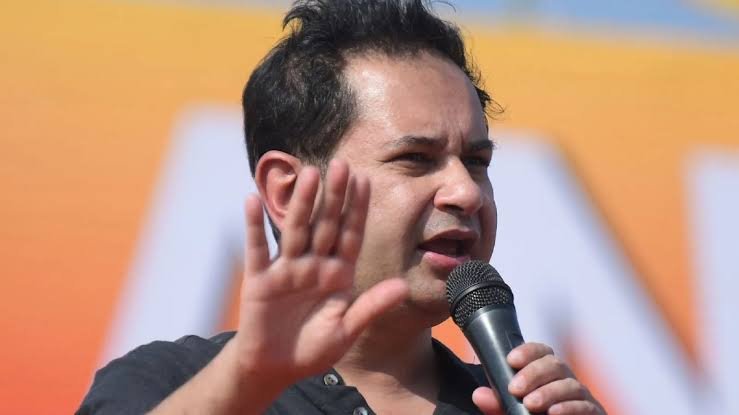
Tipra Motha founder Pradyot Kishore Manikya Debbarma has reportedly issued a strong warning to the BJP, saying he could walk away from the alliance if the Tiprasa Accord does not receive immediate implementation. The statement has added fresh pressure to the political relationship between the two parties in Tripura.
The Tiprasa Accord remains a major issue for Tipra Motha and its supporters, particularly concerning constitutional, political, cultural, and economic safeguards for the indigenous people of Tripura. Moreover, Pradyot’s warning could test the durability of the alliance and increase pressure on the BJP-led government to clarify its position.
The political situation could develop further as both sides consider the implications of implementing the agreement.
Sovereignty Reiteration: Centre Reaffirms Arunachal Pradesh as an Integral Part of India
Pradyot Kishore Issues Warning to BJP
The Pradyot Kishore BJP ultimatum reportedly centres on the implementation of the Tiprasa Accord.
Pradyot Kishore Manikya Debbarma has warned that Tipra Motha could reconsider its alliance with the BJP if the agreement does not move forward immediately. Furthermore, the statement places the accord at the centre of the party’s continued participation in the alliance.
The warning reflects the importance Tipra Motha attaches to fulfilling its political commitments.
Tiprasa Accord Becomes Alliance Test
The agreement has become an important test for relations between the two parties.
Tipra Motha has consistently highlighted safeguards for indigenous communities as a major political priority. Additionally, implementation of the accord could determine whether the party can demonstrate tangible results from its cooperation with the BJP.
The issue could therefore influence the future direction of the alliance.
Indigenous Safeguards Remain Central
The Tiprasa Accord focuses on demands connected with the rights and interests of Tripura’s indigenous population.
These concerns include questions surrounding political representation, cultural identity, land, economic development, and constitutional safeguards. Moreover, supporters expect meaningful implementation rather than only political assurances.
This has made the agreement a particularly sensitive issue within Tripura politics.
Alliance Faces Political Pressure
Tipra Motha’s warning could increase pressure on the BJP to address the implementation question.
Coalition partners often need to balance their individual political commitments with the broader priorities of an alliance. Furthermore, disagreements over major policy promises can create tensions even when parties continue to cooperate on other issues.
The next steps could therefore determine the stability of the partnership.
BJP Response Could Shape Next Phase
The BJP’s response will likely become important in determining how the situation develops.
A clear commitment toward implementation could help ease tensions, while delays or disagreements could increase pressure from Tipra Motha. Additionally, both parties may need to negotiate the practical and legal aspects of fulfilling the accord.
The implementation process itself could involve multiple administrative and constitutional considerations.
Tipra Motha Seeks Concrete Action
Pradyot’s reported warning reflects a demand for visible progress.
Rather than relying solely on assurances, the party appears to want concrete action on the commitments contained in the accord. Moreover, demonstrating progress could help Tipra Motha maintain credibility among its supporters.
The party’s future alliance strategy could depend heavily on how the government responds.
Political Representation Adds Complexity
Tripura’s indigenous population remains an important part of the state’s political landscape.
Questions concerning representation, land, cultural identity, and development can influence electoral politics. Furthermore, any major policy associated with these issues requires careful consideration of different community interests.
The Tiprasa Accord therefore carries significance beyond the immediate BJP-Tipra Motha relationship.
Implementation Could Face Administrative Challenges
Turning political agreements into policy can require extensive administrative work.
Authorities may need to examine existing laws, identify eligible beneficiaries, establish institutions, and determine funding mechanisms. Additionally, constitutional or legislative changes may require further approval.
These processes could affect the pace of implementation.
Alliance Stability Now Under Focus
The ultimatum has brought renewed attention to the future of the BJP-Tipra Motha alliance.
If Tipra Motha maintains its position, the BJP could face pressure to accelerate discussions. On the other hand, continued negotiations could provide both parties with an opportunity to resolve differences without breaking their political partnership.
The coming political developments will indicate whether the warning leads to substantive action.
What Happens Next?
The immediate focus will likely remain on negotiations over the Tiprasa Accord.
Tipra Motha may seek a clear timeline and concrete implementation measures, while the BJP could assess the legal and administrative requirements involved. Furthermore, further discussions between alliance leaders could determine whether the current tensions ease.
Any decision by Tipra Motha to leave the alliance would represent a significant political development for Tripura.
Conclusion
The Pradyot Kishore BJP ultimatum has placed the Tiprasa Accord at the centre of Tripura’s alliance politics. Tipra Motha founder Pradyot Kishore Manikya Debbarma has reportedly warned that his party could walk away from its alliance with the BJP if the agreement does not receive immediate implementation.
Moreover, the warning highlights the importance of indigenous safeguards and political commitments for Tipra Motha. At the same time, implementation could involve complex administrative and legal processes requiring cooperation between multiple authorities.
Overall, the Tiprasa Accord has emerged as a crucial test of the BJP-Tipra Motha partnership, with the alliance’s future potentially depending on how quickly and effectively the government addresses the issue.
FAQs
1. Who issued the warning to the BJP?
Pradyot Kishore Manikya Debbarma, founder of Tipra Motha, reportedly issued the warning.
2. What is the ultimatum about?
Pradyot has reportedly warned that Tipra Motha could leave its alliance with the BJP if the Tiprasa Accord is not implemented immediately.
3. Why is the Tiprasa Accord important?
The accord relates to demands concerning indigenous rights, political representation, cultural identity, land, and economic safeguards in Tripura.
4. Does the warning mean Tipra Motha has already left the alliance?
No. The statement represents a warning about a possible future withdrawal if the accord does not receive the demanded implementation.
5. What could happen next?
The BJP and Tipra Motha could hold further discussions regarding the accord’s implementation, timeline, legal requirements, and administrative mechanisms.