

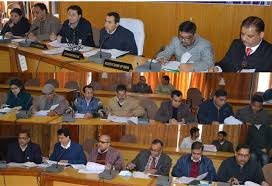
priority sector banking review became the central focus of the District Consultative Committee and District Level Review Committee meeting conducted in Phek. Meanwhile, officials, bankers, and development representatives discussed financial inclusion, rural credit distribution, and progress under government-supported banking schemes. Authorities stated that the meeting aimed to evaluate banking performance across agriculture, small businesses, and other priority sectors. Additionally, participants reviewed challenges linked to loan accessibility and credit expansion in rural communities.
UNC KIM Missing Nagas: UNC Presses KIM Over Missing Individuals Case
Fresh Tensions Surface In Lapangap Border Region
Officials Assess Banking And Credit Performance
Senior banking officials and district administrators attended the DCC-DLRC meeting to review financial activities in the district. Consequently, representatives examined lending patterns, repayment trends, and implementation progress under various government-backed financial programs. Officials stated that regular reviews help strengthen coordination between banks and development agencies.
Bank representatives presented updates regarding agricultural loans, self-employment financing, and support for small enterprises. However, some officials acknowledged that several rural areas still face difficulties in accessing institutional credit. At the same time, participants emphasized the importance of increasing awareness about available banking schemes among local communities.
The priority sector banking review also included discussions on improving loan disbursement efficiency and customer outreach. Furthermore, authorities encouraged banks to strengthen services for farmers, entrepreneurs, and economically weaker sections.
Financial Inclusion Remains Key Focus
District officials highlighted the need to expand banking access in remote and underserved regions of Phek district. Meanwhile, representatives stressed that financial inclusion remains essential for rural economic growth and livelihood development. Several speakers also encouraged stronger participation in digital banking services.
Banking institutions shared updates regarding account openings, credit linkage programs, and rural financial literacy initiatives. Specifically, officials discussed efforts aimed at supporting women entrepreneurs, self-help groups, and small-scale business owners. Earlier, local authorities had identified limited banking awareness as a challenge in certain villages.
The priority sector banking review further examined the effectiveness of government-sponsored financial assistance programs. Consequently, participants recommended improving coordination between financial institutions and grassroots development agencies.
Agriculture And Small Businesses Receive Attention
Agricultural financing emerged as one of the major topics during the meeting. Meanwhile, officials stated that farmers continue requiring timely access to affordable credit for cultivation and allied activities. Representatives from banking institutions discussed strategies for improving agricultural loan distribution and repayment monitoring.
Small business development also received significant attention during the review session. In addition, authorities encouraged banks to support local entrepreneurs through flexible financial assistance and credit counseling. Economic experts attending the meeting explained that rural enterprises contribute directly to employment generation and district-level economic activity.
The priority sector banking review additionally addressed concerns related to delayed loan processing and documentation barriers. Moreover, participants urged financial institutions to simplify procedures for eligible beneficiaries seeking credit support.
Government Schemes And Credit Targets Reviewed
Officials examined the implementation progress of multiple government-linked financial schemes operating within the district. Meanwhile, banking representatives shared updates regarding target achievements under rural credit and welfare-oriented programs. Authorities emphasized that effective implementation remains important for improving economic development indicators.
Development officers noted that timely financial support can strengthen rural livelihoods and improve local productivity. However, they also highlighted the importance of responsible borrowing and proper utilization of sanctioned funds. At the same time, financial institutions stressed the need for stronger repayment discipline among beneficiaries.
The priority sector banking review therefore served as an important platform for evaluating both achievements and operational challenges. Consequently, district authorities encouraged regular monitoring and better communication between stakeholders.
Participants Discuss Future Banking Strategies
The meeting also included discussions on expanding digital banking infrastructure and financial awareness campaigns. Meanwhile, experts suggested that improved connectivity and banking education could increase participation in formal financial systems. Officials additionally encouraged banks to organize outreach activities in rural areas.
Several representatives proposed stronger support mechanisms for youth entrepreneurs and startup initiatives in the district. In addition, participants highlighted the growing role of technology in improving financial accessibility and service delivery. Analysts noted that digital banking solutions may reduce operational delays and improve transparency in credit management.
The priority sector banking review generated positive responses from development agencies focused on rural economic growth. Specifically, attendees emphasized that coordinated efforts between banks and government departments remain essential for inclusive development.
Authorities Emphasize Continued Monitoring
District officials concluded the meeting by urging financial institutions to maintain consistent progress under priority sector programs. Furthermore, authorities encouraged banks to address pending issues related to credit flow, beneficiary support, and financial literacy outreach.
Bank representatives assured the administration that efforts would continue to improve customer service and loan accessibility. Consequently, stakeholders expressed optimism regarding future coordination and economic progress in the district. Experts also suggested that periodic reviews can help identify operational gaps before they become larger financial challenges.
The priority sector banking review may therefore influence future banking strategies and development planning in Phek district. Ultimately, officials believe improved financial coordination can strengthen economic growth and support rural communities more effectively.
Conclusion
The priority sector banking review conducted during the DCC-DLRC meeting in Phek highlighted ongoing efforts to improve rural credit access, financial inclusion, and economic development. Meanwhile, banking officials and district authorities assessed progress under various government-supported financial programs. Participants emphasized the importance of supporting agriculture, small businesses, and underserved communities through effective banking services. Ultimately, continued monitoring and stronger institutional coordination may help improve financial accessibility and local economic growth in the district.
FAQs
Q1. What was discussed during the DCC-DLRC meeting in Phek? Officials reviewed banking performance, rural credit progress, financial inclusion efforts, and government-linked financial schemes.
Q2. Why is the meeting important for the district? The review helps authorities and banks assess economic development initiatives and improve financial service delivery.
Q3. What is the priority sector banking review? The priority sector banking review is an assessment of banking activities related to agriculture, small businesses, rural credit, and other government-designated sectors.
Q4. Which sectors received major attention during the meeting? Agriculture, small enterprises, self-help groups, and financial inclusion programs were key focus areas.
Q5. What challenges were highlighted during discussions? Participants discussed issues such as delayed loan processing, limited rural awareness, and access barriers for beneficiaries.
Q6. What future measures were suggested? Officials recommended stronger digital banking outreach, financial literacy programs, and better coordination between banks and development agencies.