

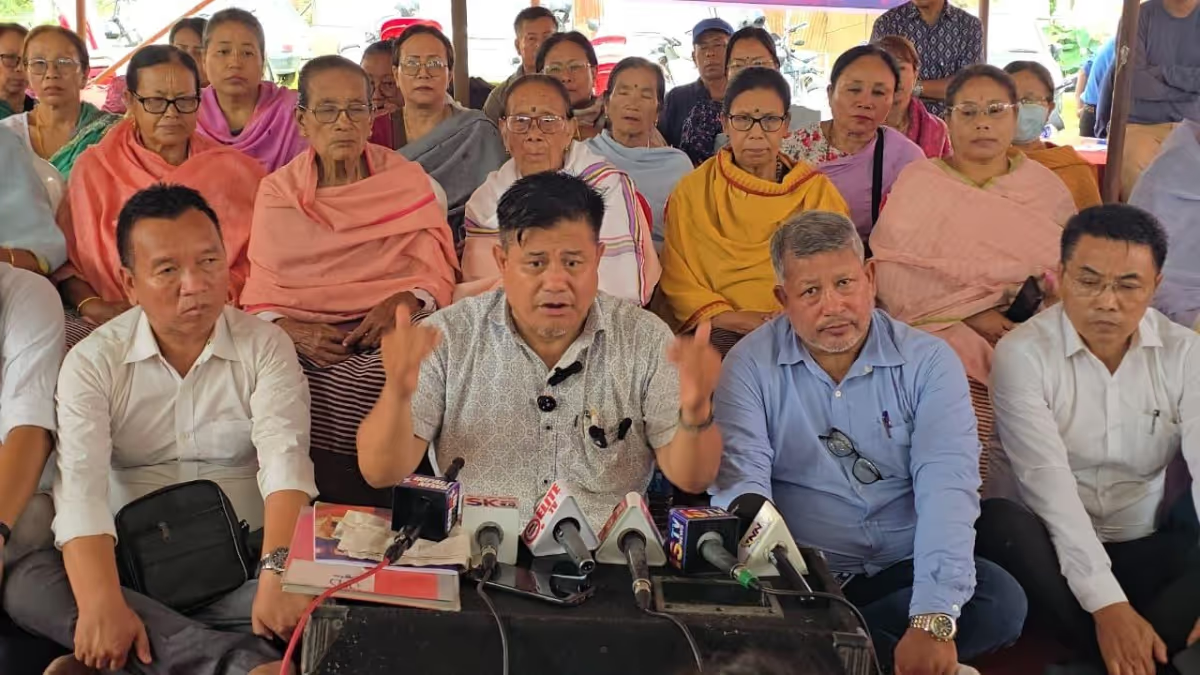
Civil society groups in Manipur have reportedly urged the public to boycott the digital self-enumeration phase of the Census, which began on August 17. The appeal forms part of a wider campaign demanding an NRC exercise before the upcoming population enumeration.
The groups argue that citizens should not participate in the self-enumeration process until authorities address their concerns over citizenship records and demographic documentation. Moreover, the campaign adds another layer to the ongoing political debate surrounding the Census and NRC.
However, participation in the Census and the demand for an NRC involve separate administrative questions, and citizens should follow official government instructions regarding census procedures.
Niketu Iralu Dies at 80s, Leaving a Powerful Peace Legacy in Nagaland
Civil Society Groups Call for Boycott
The public enumeration boycott represents an escalation in the campaign surrounding the Census.
Civil society organisations have reportedly appealed to residents to refrain from participating in the digital self-enumeration process. Furthermore, the groups want authorities to address their demand for an NRC before population enumeration proceeds.
The appeal could influence participation if it gains broader public support.
Digital Self-Enumeration Began on August 17
The digital self-enumeration phase reportedly began on August 17.
Digital self-enumeration allows eligible residents to provide census information through an online process rather than relying solely on traditional household enumeration. Additionally, the digital approach forms part of efforts to modernise population-data collection.
The boycott appeal therefore directly targets one component of the broader Census exercise.
NRC Demand Remains Central
The civil society campaign connects the boycott with demands for an NRC update before the 2027 Census.
Supporters argue that citizenship documentation should receive priority before authorities conduct a nationwide population enumeration. Moreover, they have raised concerns about demographic changes and the protection of indigenous interests.
The Central government’s position on the demand will remain important as the campaign develops.
Census and NRC Have Different Purposes
The Census and NRC serve different administrative functions.
A Census primarily collects demographic and socioeconomic information about the population. In contrast, an NRC concerns the identification and documentation of citizens under the relevant legal framework.
Therefore, calls to conduct an NRC before the Census represent a political and policy demand rather than an automatic change to the Census process.
Protest Campaign Expands
The boycott appeal comes amid broader protests and political mobilisation in Manipur.
Recent demonstrations have included demands connected with citizenship documentation, demographic concerns, and electoral representation. Furthermore, civil society groups have increasingly used public campaigns to pressure authorities to respond to these issues.
The self-enumeration boycott adds a digital component to that mobilisation.
Public Participation Could Become an Issue
A large-scale boycott could create challenges for census administrators if participation falls significantly.
Accurate population data depends on broad participation and reliable information. Additionally, incomplete participation can create administrative difficulties and require authorities to clarify procedures or conduct additional outreach.
The potential impact will depend on how widely residents follow the appeal.
Government Communication Will Matter
Clear communication from authorities could become increasingly important as the controversy continues.
Officials may need to explain the purpose of digital self-enumeration and distinguish it from citizenship verification. Moreover, transparent information can help residents understand their rights, responsibilities, and available procedures.
Effective communication could reduce confusion surrounding the two processes.
Legal and Administrative Questions Remain
Any decision to alter the sequence of an NRC and Census would involve legal and administrative considerations.
Authorities would need to establish the relevant procedures, eligibility requirements, and safeguards for any citizenship exercise. Furthermore, census operations must follow the applicable framework governing population enumeration.
The civil society demand therefore raises questions that extend beyond the current boycott campaign.
Political Pressure Could Increase
The boycott appeal could increase pressure on both State and Central authorities.
Political leaders may seek discussions with civil society representatives, while campaigners could continue organising public demonstrations. Additionally, the issue may receive greater attention as the Census process moves forward.
Further negotiations could determine whether the campaign expands or changes direction.
What Happens Next?
The immediate focus will remain on participation in the digital self-enumeration phase and the government’s response to the boycott appeal.
Civil society groups may continue urging residents to follow their position, while authorities may intensify public information efforts. Moreover, political representatives could seek clarification from the Centre regarding the NRC demand.
The situation will depend on developments in both public mobilisation and government policy.
Conclusion
The public enumeration boycott campaign in Manipur has reportedly intensified after civil society groups urged residents to skip the digital self-enumeration phase that began on August 17. The appeal forms part of a broader demand for an NRC exercise before the 2027 Census.
Moreover, the campaign highlights continuing concerns over citizenship documentation, demographic changes, and indigenous interests. At the same time, the Census and NRC serve different administrative purposes, making the sequencing demanded by campaigners a matter requiring legal and policy consideration.
Overall, the digital Census boycott appeal adds another significant dimension to Manipur’s ongoing political debate over population enumeration and citizenship records.
FAQs
1. When did the digital self-enumeration phase begin?
The reported digital self-enumeration phase began on August 17.
2. What are civil society groups asking residents to do?
They are reportedly urging the public to refrain from participating in the digital self-enumeration process.
3. Why are the groups calling for a boycott?
The campaign seeks an NRC update before the 2027 Census and raises concerns about citizenship documentation and demographic changes.
4. Are the Census and NRC the same process?
No. The Census collects population and socioeconomic information, while an NRC concerns citizenship records.
5. Could the boycott affect Census operations?
A significant decline in participation could create administrative challenges, although the actual impact would depend on the scale and duration of the boycott.