

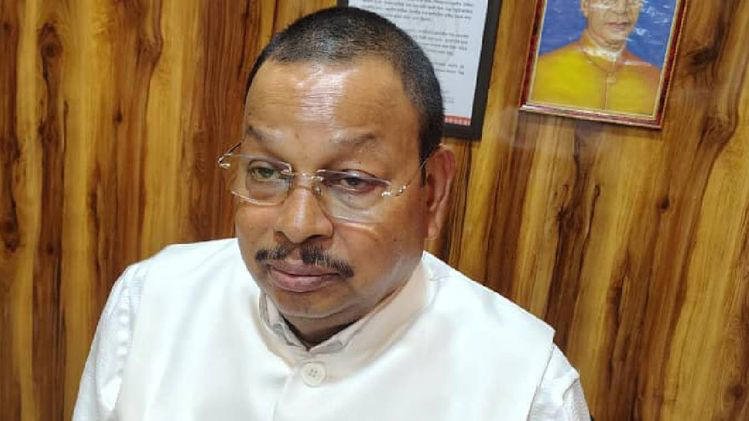
Ranjit Deka resigns AGP ticket denial has added a new dimension to Assam’s evolving political landscape ahead of the Assembly elections. The Asom Gana Parishad (AGP) vice president stepped down from his position after the party denied him a ticket, triggering discussions within political circles and among party workers.
The resignation comes at a crucial time when political parties are finalizing candidates and strengthening their campaign strategies. As a result, Deka’s move has drawn attention, highlighting internal challenges within party structures during election season.
Read More: Intense political activity marks final nomination day in Assam
Resignation follows ticket denial
Ranjit Deka decided to resign from his post as AGP vice president after the party did not grant him a ticket for the upcoming Assembly elections. According to party sources, the decision on candidate selection was part of a broader strategy to field candidates based on current political considerations.
However, Deka expressed dissatisfaction over the decision. Therefore, he chose to step down, marking a significant development within the party. His resignation reflects the tensions that often arise during candidate selection processes.
Moreover, such decisions can influence party dynamics, especially when senior leaders feel sidelined.
Reaction within AGP ranks
Deka’s resignation has sparked reactions within AGP. Some party members have expressed concern over the development, while others have supported the leadership’s decision.
Senior leaders have attempted to downplay the impact, stating that the party remains united and focused on the elections. At the same time, they have acknowledged Deka’s contributions and experience.
Furthermore, party workers at the grassroots level are closely observing the situation. Internal unity plays a crucial role in election performance, making such developments significant.
Political implications ahead of polls
The resignation of a senior leader like Ranjit Deka could have implications for the upcoming elections. It may affect the party’s organizational strength in certain areas where he holds influence.
Opposition parties may also use this development to question the stability and internal cohesion of AGP. As a result, the party will need to manage the situation carefully.
In addition, such developments often influence voter perception. Voters tend to consider internal party dynamics while making electoral decisions.
Candidate selection challenges in elections
Candidate selection remains one of the most challenging aspects of election preparation. Political parties must balance multiple factors, including winnability, experience, and local support.
In this context, disagreements and dissatisfaction are not uncommon. Leaders who do not receive tickets may feel overlooked, leading to resignations or internal conflicts.
Therefore, parties must handle such situations strategically. Effective communication and consensus-building can help minimize negative impacts.
AGP’s strategy for upcoming elections
Despite the setback, AGP continues to focus on its election strategy. The party aims to strengthen its presence through coordinated campaigns and alliance support.
Leaders have emphasized the importance of unity and discipline during the campaign period. They have urged party workers to remain focused on the larger goal of electoral success.
Moreover, AGP is working to highlight its achievements and connect with voters on key issues. This approach aims to maintain momentum despite internal challenges.
Voter sentiment and local impact
Ranjit Deka’s resignation may have a localized impact, particularly in areas where he has strong support. Voters in these regions may reassess their preferences based on the development.
However, the overall impact will depend on how the party manages the situation. Strong candidate selection and effective campaigning can help mitigate potential losses.
At the same time, voters are also influenced by broader issues such as development, governance, and leadership. Therefore, the final outcome will depend on multiple factors.
Opposition’s response to development
Opposition parties have taken note of the resignation and have begun to comment on the situation. They have highlighted it as an example of internal discord within the ruling alliance.
Such narratives can influence public perception and become part of the election discourse. Therefore, AGP will need to respond effectively to maintain its image.
In addition, opposition parties may attempt to attract dissatisfied leaders and workers. This could further intensify political competition.
Importance of internal unity in elections
The incident underscores the importance of internal unity within political parties. Elections require coordinated efforts at all levels, from leadership to grassroots workers.
Any disruption in unity can affect campaign effectiveness and voter confidence. Therefore, parties must address internal issues promptly and constructively.
Moreover, maintaining morale among party workers is essential. Leaders play a key role in ensuring that the organization remains cohesive and focused.
Conclusion: A test of party resilience
The development that Ranjit Deka resigns AGP ticket denial highlights the challenges faced by political parties during election season. While candidate selection decisions are necessary, they can also lead to internal tensions.
AGP now faces the task of managing this situation while continuing its campaign efforts. The party’s ability to maintain unity and focus will be crucial in the coming weeks.
In conclusion, Assam’s political landscape remains dynamic as parties navigate both internal and external challenges. Developments like this will continue to shape the narrative as the state moves closer to the Assembly elections.
Read More: BJP alliance confident of historic results in Assam elections