

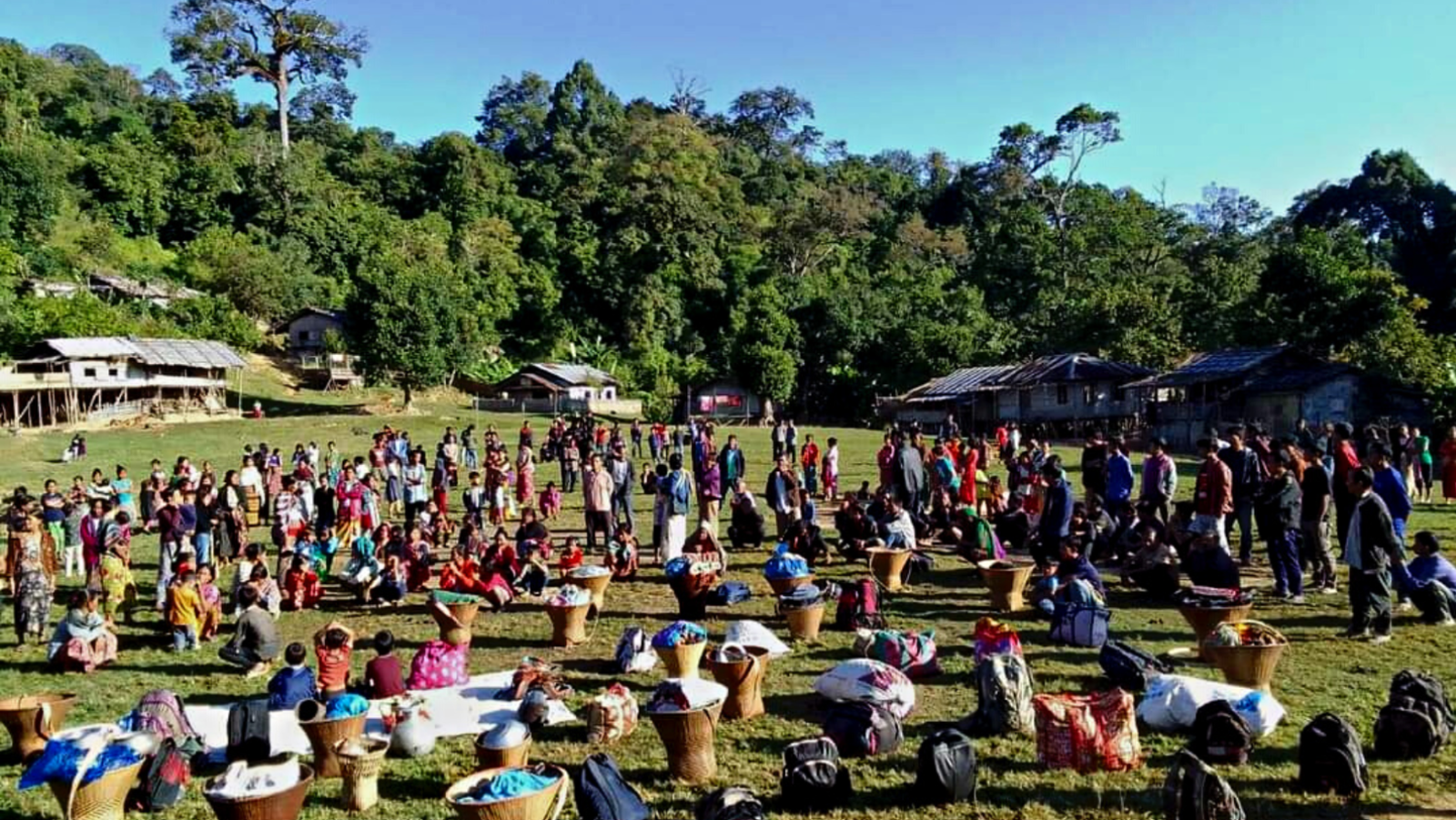
Civil society groups in Mizoram have expanded basic shelter amenities for displaced families arriving from Myanmar under the Refugee Relief Care (MZ) effort. The initiative focuses on improving essential living conditions for vulnerable families by strengthening access to shelter facilities and basic support.
The Refugee Relief Care (MZ) initiative reflects continued humanitarian support for displaced families entering Mizoram from Myanmar. Civil society organizations have expanded basic amenities at shelters to help families meet essential day-to-day needs.
Providing safe accommodation and basic facilities remains an important part of humanitarian assistance for displaced communities. Moreover, families arriving after displacement may require immediate access to shelter and other essential services while they adjust to their new surroundings.
The latest expansion focuses on improving the basic facilities available at shelters. However, the information provided does not specify the number of families receiving assistance, the number of shelters involved, or the total value of support provided.
Sikkim National Highway 10: Emergency Restoration Begins After Repeated Rain Disruptions
Refugee Relief Care (MZ) Expands Basic Shelter Support
The Refugee Relief Care (MZ) effort has expanded basic amenities for displaced families arriving from Myanmar.
Civil society organizations often play an important role in providing immediate assistance during displacement situations. Furthermore, local organizations can respond to practical needs within communities by helping coordinate shelter facilities and essential supplies.
The expansion of shelter amenities can help improve living conditions for families who require temporary accommodation.
However, the available information does not provide details about the specific facilities added through the latest effort.
It does not confirm whether the expansion includes sanitation facilities, drinking water, electricity, bedding, cooking arrangements, or other forms of shelter support.
Therefore, those details require confirmation from the organizations involved.
The confirmed development remains the expansion of basic shelter amenities for displaced families.
Refugee Relief Care (MZ) Supports Displaced Families
The Refugee Relief Care (MZ) initiative focuses on families who have entered Mizoram after displacement from Myanmar.
Access to suitable shelter can provide an important foundation for humanitarian support. Moreover, adequate shelter can help families maintain basic safety and stability while they navigate the challenges associated with displacement.
Civil society groups can also coordinate with local communities to identify immediate needs and organize assistance.
However, the available information does not establish how long families will remain in the shelters or whether the current facilities provide long-term accommodation.
Consequently, the support should not automatically be described as permanent resettlement.
Instead, the reported effort focuses on improving basic shelter amenities for displaced families.
Refugee Relief Care (MZ) Strengthens Community-Based Assistance
The Refugee Relief Care (MZ) effort also highlights the role of civil society in responding to humanitarian needs.
Community-based organizations can help identify gaps in essential services and mobilize support for vulnerable groups. Additionally, local participation can make it easier to distribute resources and maintain basic facilities at shelters.
The expansion of amenities can therefore complement other forms of humanitarian assistance.
However, the information provided does not identify the civil society organizations involved or describe any coordination arrangements with government agencies.
Similarly, it does not provide figures for the amount of food, water, medical assistance, or other supplies available to displaced families.
Therefore, the broader scope of the relief operation cannot be quantified from the available information.
Refugee Relief Care (MZ) Focuses on Essential Living Conditions
The Refugee Relief Care (MZ) initiative places attention on basic living conditions for displaced families.
Safe shelter represents one of the fundamental needs of people who have been forced to leave their homes. Furthermore, adequate facilities can help families maintain hygiene and daily routines during periods of displacement.
Improving shelter amenities can also reduce pressure on existing facilities when additional families arrive.
However, shelter support represents only one aspect of humanitarian assistance. Families may also require access to healthcare, education, food, clean water, sanitation, and other essential services depending on their circumstances.
The information provided does not confirm which additional services are currently available through the civil society effort.
Consequently, the reported expansion should be understood specifically as an improvement in basic shelter amenities.
Refugee Relief Care (MZ) Highlights Ongoing Humanitarian Needs
The Refugee Relief Care (MZ) development highlights the continuing importance of humanitarian preparedness in areas receiving displaced populations.
Moreover, sudden increases in arrivals can place pressure on accommodation and other local resources. Civil society organizations can help address these pressures by expanding facilities and mobilizing community support.
Sustained assistance, however, requires coordination and adequate resources. Authorities and organizations may need to assess shelter capacity as the situation changes.
The available information does not provide projections regarding future arrivals or the additional shelter capacity that may become necessary.
Therefore, no assumptions should be made about the future scale of the relief effort.
Continued assessment can nevertheless help organizations identify emerging needs and maintain adequate support for displaced families.
Conclusion
The Refugee Relief Care (MZ) initiative marks an expansion of basic shelter amenities for displaced families entering Mizoram from Myanmar. Civil society groups are strengthening accommodation facilities to address immediate humanitarian needs and improve basic living conditions.
Moreover, community-based assistance can play an important role when shelters need additional resources or facilities. However, the available information does not provide details about the number of beneficiaries, participating organizations, investment, or the specific amenities added.
Overall, the Refugee Relief Care (MZ) effort demonstrates continued civil society involvement in supporting displaced families. Further information about shelter capacity, essential services, and coordination mechanisms would provide a clearer picture of the scale and longer-term direction of the humanitarian response.
FAQs
1. What is Refugee Relief Care (MZ)?
Refugee Relief Care (MZ) refers to the reported effort by civil society groups in Mizoram to expand basic shelter amenities for displaced families arriving from Myanmar.
2. Who is receiving the shelter support?
The support is intended for displaced families entering Mizoram from Myanmar.
3. What amenities have been expanded?
The available information only confirms an expansion of basic shelter amenities. It does not specify the individual facilities provided.
4. Are the shelters permanent homes?
The information does not establish whether the shelters provide permanent accommodation. Therefore, they should not be described as permanent housing without further confirmation.
5. Why is civil society involvement important?
Civil society organizations can help identify humanitarian needs, mobilize resources, and support shelter operations for displaced communities alongside other relevant authorities and organizations.