

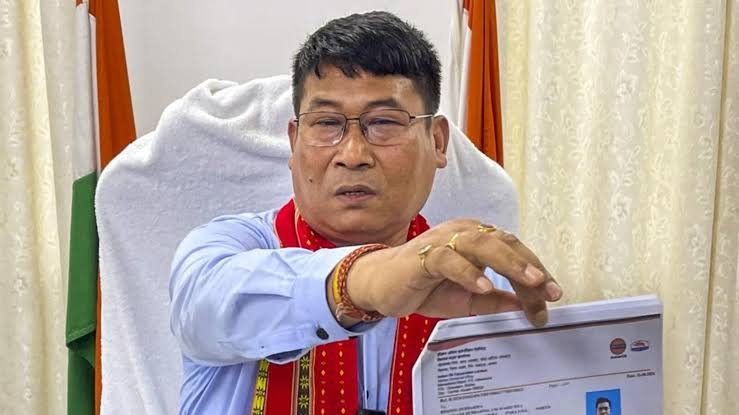
Tripura Tribal Welfare Minister Bikash Debbarma reportedly held crucial discussions with former insurgents over the implementation of rehabilitation packages and the proposed withdrawal of criminal cases. The talks come as authorities work to address outstanding concerns among surrendered members and strengthen the reintegration process.
The discussions could play an important role in maintaining confidence between the state government and former insurgents. Moreover, timely implementation of rehabilitation commitments can support the transition of surrendered cadres into civilian life.
The talks also highlight the continuing political and administrative challenges involved in implementing agreements reached with former militant groups.
Bikash Debbarma Holds Key Discussions
The Bikash Debbarma insurgent talks reportedly focused on concerns raised by former insurgents regarding rehabilitation measures.
The Tribal Welfare Minister discussed the implementation of agreed packages and other outstanding demands. Furthermore, the talks indicate that the government continues to engage directly with former militant groups on issues affecting their reintegration.
Such dialogue can help identify practical obstacles to implementation.
Rehabilitation Packages Remain Central
Rehabilitation packages can provide surrendered insurgents with assistance as they transition back into civilian society.
Depending on government agreements, such packages can include financial assistance, employment opportunities, training, housing support, or other forms of reintegration assistance. Additionally, timely delivery of promised benefits can help former insurgents establish sustainable livelihoods.
Former cadres have reportedly sought greater clarity and progress on these commitments.
Criminal Cases Become Major Issue
The withdrawal of criminal cases reportedly featured prominently in the discussions.
Former insurgents may face legal proceedings arising from activities conducted during periods of armed conflict. However, any withdrawal of cases must follow applicable laws, judicial procedures, and government policy.
Authorities would need to examine individual cases before taking decisions.
Reintegration Requires Long-Term Support
Surrender represents only the beginning of the reintegration process.
Former insurgents need opportunities to build stable civilian lives and participate in the local economy. Moreover, vocational training, employment, education, and community support can help reduce the risk of renewed marginalisation.
Effective rehabilitation therefore requires sustained government engagement.
Political Dialogue Supports Peace Process
The talks also demonstrate the political dimension of rehabilitation.
Government representatives must balance the demands of former insurgents with legal requirements and the concerns of affected communities. Furthermore, maintaining communication can help prevent unresolved grievances from developing into renewed tensions.
Political dialogue can therefore complement administrative rehabilitation programmes.
Implementation Remains the Key Challenge
Signing agreements or announcing rehabilitation packages does not automatically guarantee successful implementation.
Authorities need clear timelines, responsible departments, adequate funding, and monitoring mechanisms. Additionally, former insurgents need transparent information about the status of their individual claims.
Effective implementation could strengthen confidence in the government’s rehabilitation framework.
Criminal Cases Require Careful Review
The demand for withdrawal of cases presents a particularly sensitive administrative and legal challenge.
Authorities may need to categorise cases according to the nature of the alleged offences and the applicable legal provisions. Moreover, serious offences may require different treatment from cases covered by specific rehabilitation arrangements.
A transparent review process could help balance rehabilitation objectives with legal responsibilities.
Tribal Welfare Department Has Important Role
The Tribal Welfare Department can play a significant role in addressing socioeconomic concerns among indigenous communities.
Its involvement in discussions with former insurgents can help connect rehabilitation efforts with broader development programmes. Furthermore, coordination between welfare, home, finance, and law departments may prove necessary to implement complex commitments.
Interdepartmental coordination could therefore influence the success of the process.
Former Insurgents Seek Concrete Results
The discussions suggest that former insurgents want progress beyond political assurances.
They may seek specific timelines for financial packages, rehabilitation benefits, and decisions on criminal cases. Additionally, transparent communication from authorities could help reduce uncertainty among surrendered members.
Concrete progress could strengthen the credibility of the rehabilitation process.
What Happens Next?
The government is expected to examine the concerns raised during the discussions and determine the next steps for implementing rehabilitation commitments.
Authorities may need to review pending cases, assess eligible beneficiaries, and establish timelines for outstanding packages. Moreover, continued dialogue could help both sides resolve disagreements before they escalate.
The success of the process will ultimately depend on practical implementation.
Conclusion
The Bikash Debbarma insurgent talks mark an important development in Tripura’s ongoing rehabilitation efforts involving former insurgents. The discussions reportedly addressed the implementation of rehabilitation packages and demands for the withdrawal of criminal cases.
Moreover, timely delivery of agreed benefits could help former militants establish stable civilian lives and strengthen confidence in the peace process. At the same time, decisions concerning criminal cases must follow applicable legal procedures and consider the circumstances of individual cases.
Overall, effective rehabilitation and continued political dialogue will remain essential to turning surrender agreements into lasting reintegration and stability.
FAQs
1. What did Bikash Debbarma discuss with former insurgents?
The talks reportedly focused on rehabilitation package implementation and the withdrawal of criminal cases.
2. Why are rehabilitation packages important?
They can help surrendered insurgents transition into civilian life through financial assistance, employment, training, and other support.
3. Can all criminal cases be withdrawn?
Not automatically. Any withdrawal must follow applicable laws, legal procedures, and relevant government policies.
4. Why is continued dialogue important?
Regular communication can help address unresolved grievances and prevent disagreements over rehabilitation commitments from escalating.
5. What will determine the success of the rehabilitation process?
Clear implementation timelines, adequate resources, legal review, employment opportunities, and sustained government engagement will all contribute to successful reintegration.