

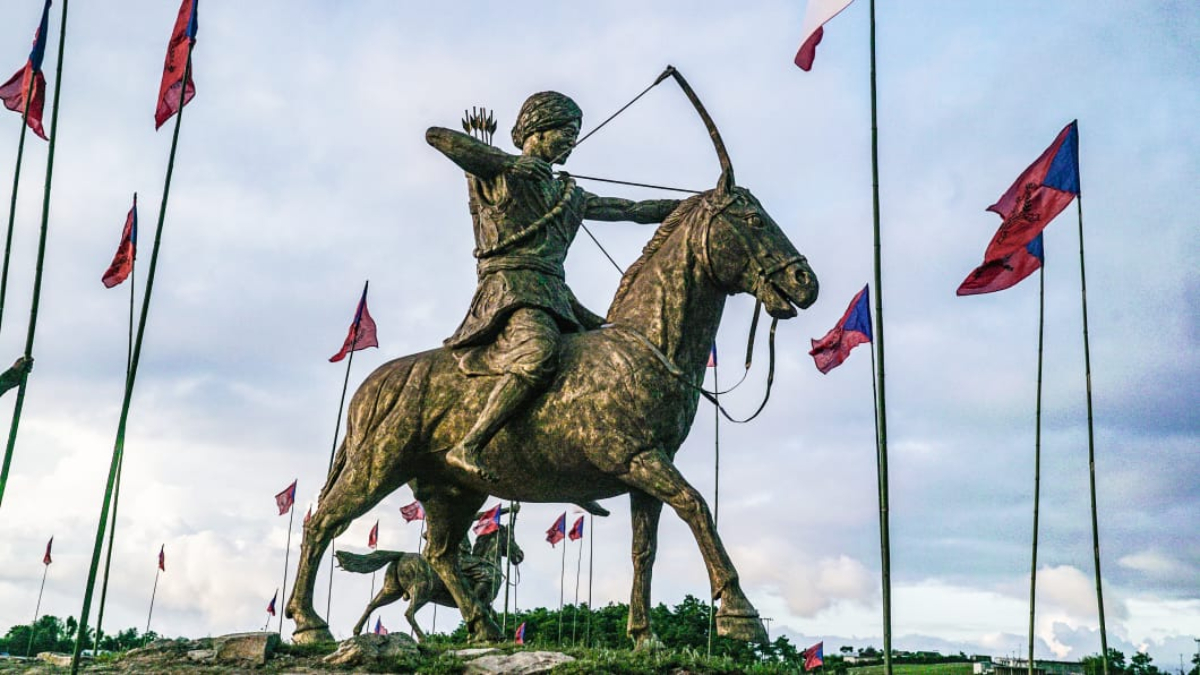
Meghalaya Chief Minister Conrad K. Sangma has laid the foundation stone for the boundary wall of the Seng Khasi headquarters, marking an infrastructure development associated with the state’s indigenous faith and cultural community.
The project highlights the government’s engagement with indigenous institutions that preserve Meghalaya’s traditional religious and cultural heritage. Moreover, infrastructure support for such organisations can contribute to protecting community spaces and strengthening cultural identity.
The foundation ceremony also brings renewed attention to the role of indigenous institutions in Meghalaya’s social and cultural landscape.
Khneng Embroidery Wins National Spotlight as Air India Express Showcases Meghalaya Craft
Conrad Sangma Launches Seng Headquarters Project
The Conrad Sangma Seng Khasi project involves construction of a boundary wall around the headquarters.
The foundation stone ceremony marks the beginning of the infrastructure initiative. Furthermore, a defined and protected institutional space can support the organisation’s administrative, cultural, and community activities.
The project represents a physical infrastructure investment connected with an indigenous institution.
Seng Khasi Represents Indigenous Faith
The Seng Khasi organisation has played an important role in preserving Khasi indigenous religious traditions.
Its activities focus on maintaining traditional beliefs, cultural practices, and community heritage. Additionally, institutions associated with indigenous faith groups provide spaces where cultural traditions can continue across generations.
Support for such institutions can therefore have significance beyond the physical infrastructure itself.
Infrastructure Supports Community Institutions
A boundary wall can provide practical benefits to an institutional campus.
It can help define property boundaries, improve security, and organise the surrounding premises. Moreover, better infrastructure can create a more suitable environment for community programmes and cultural activities.
The project therefore combines a basic infrastructure requirement with broader community significance.
Government Engagement With Indigenous Communities
The foundation ceremony also reflects the Meghalaya government’s engagement with indigenous organisations.
Indigenous communities form an important part of Meghalaya’s cultural identity. Furthermore, government interaction with community institutions can help authorities understand local concerns and support heritage-related initiatives.
Such engagement can strengthen cooperation between public institutions and civil society.
Preserving Meghalaya’s Cultural Heritage
Meghalaya has a diverse cultural landscape featuring distinct indigenous traditions.
Traditional religious practices form an important component of that heritage. Additionally, community organisations can help preserve oral traditions, ceremonies, customary practices, and cultural knowledge.
Infrastructure improvements can provide these organisations with stable spaces for continuing their activities.
Religious Diversity Remains Important
Meghalaya includes communities following different religious traditions.
Government engagement with indigenous faith institutions can form part of a broader approach to recognising the state’s cultural diversity. Moreover, maintaining respect for different religious and cultural identities can contribute to social harmony.
The Seng Khasi project carries particular significance within that indigenous cultural context.
Community Participation Could Strengthen Project
Local participation can help ensure that infrastructure projects meet the practical needs of the institution.
Community representatives can contribute to decisions involving site development, facilities, and future activities. Furthermore, collaboration between the organisation and government agencies can help ensure effective implementation.
The boundary wall represents the initial stage of the broader infrastructure effort.
Cultural Institutions Have Wider Social Roles
Indigenous organisations often contribute to community life beyond religious activities.
They can organise educational programmes, cultural events, social initiatives, and heritage-related activities. Additionally, these institutions can provide younger generations with opportunities to learn about traditional history and practices.
Strengthening their infrastructure can support these wider functions.
Heritage Protection and Modern Development
Meghalaya continues to balance modern infrastructure development with preservation of its cultural heritage.
Supporting indigenous institutions can help maintain that balance. Moreover, improved facilities can allow traditional organisations to operate more effectively while adapting to changing social conditions.
The Seng headquarters project illustrates this connection between infrastructure and cultural preservation.
What Happens Next?
The immediate focus will be on completing the boundary wall and developing the headquarters premises.
Further infrastructure or community programmes could follow depending on institutional requirements and government support. Furthermore, continued engagement between authorities and indigenous organisations could help identify additional areas where cooperation can strengthen cultural preservation.
The project is therefore both an infrastructure initiative and a symbol of institutional recognition.
Conclusion
The Conrad Sangma Seng Khasi project marks an infrastructure development associated with Meghalaya’s indigenous faith and cultural community. By laying the foundation stone for the Seng Khasi headquarters boundary wall, the Chief Minister has highlighted government engagement with an institution dedicated to preserving Khasi traditions.
Moreover, improved infrastructure can provide practical benefits while supporting the protection of indigenous cultural spaces. At the same time, continued dialogue between the government and community institutions can strengthen Meghalaya’s approach to cultural preservation.
Overall, the project represents a combination of infrastructure support, indigenous heritage preservation, and community engagement.
FAQs
1. What project did Conrad Sangma launch?
The Chief Minister laid the foundation stone for the boundary wall of the Seng Khasi headquarters.
2. What is the Seng Khasi organisation?
Seng Khasi is an organisation associated with the preservation of Khasi indigenous religious traditions and cultural heritage.
3. Why is the boundary wall significant?
The wall can help define and secure the headquarters premises while supporting the organisation’s community activities.
4. Does the project have cultural significance?
Yes. The headquarters serves an institution connected with the preservation of indigenous Khasi faith and cultural traditions.
5. What does the initiative indicate?
It indicates continued government engagement with indigenous community institutions and support for infrastructure connected with Meghalaya’s cultural heritage.