

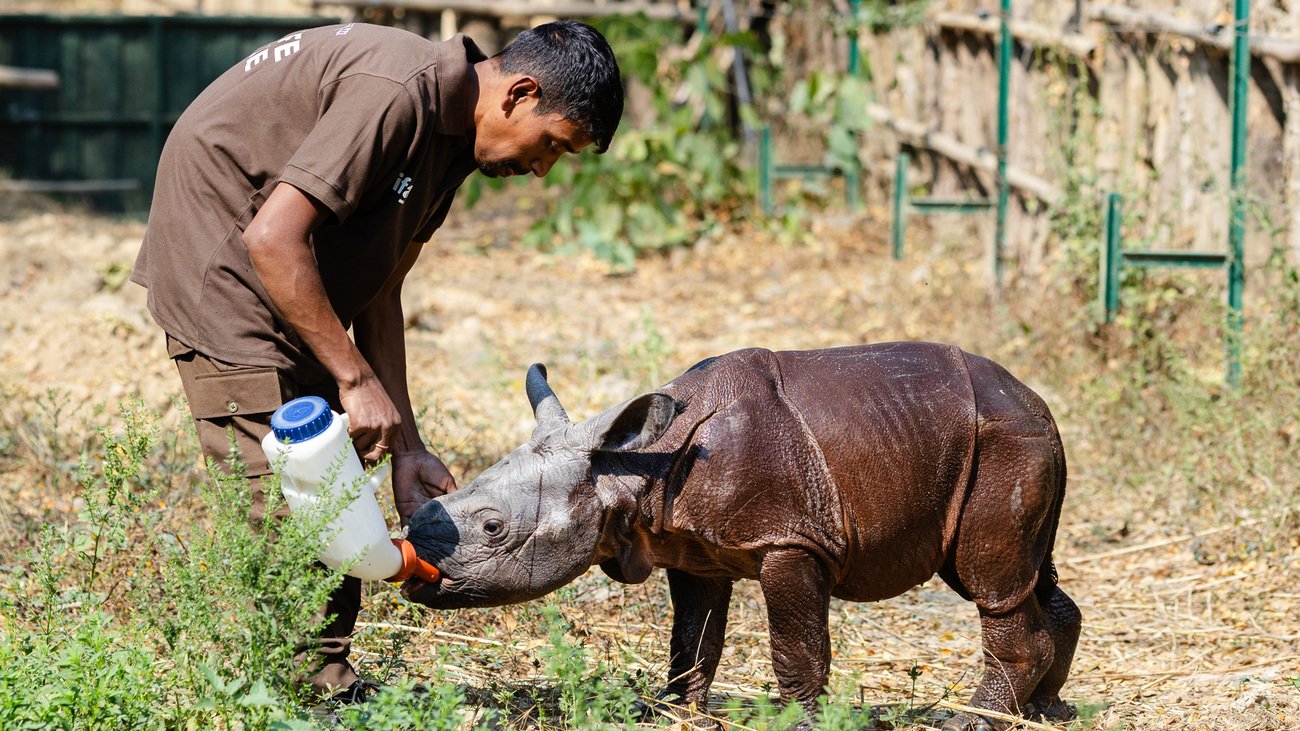
The Rhino Relocation effort has helped three stranded rhino calves reach higher artificial highlands after animal rescue teams guided them away from vulnerable low-lying areas. The operation focused on moving the young animals to elevated ground where they could remain safer from surrounding water.
The rescue highlights the importance of rapid wildlife response during periods of flooding or rising water levels. Moreover, artificial highlands can provide wildlife with elevated refuge when natural higher ground remains limited or inaccessible.
The successful relocation of the three calves represents an important wildlife-protection effort. However, the available information does not specify the location, cause of the stranding, or the condition of the animals after relocation.
Bamboo Charcoal Export (MZ): Mizoram Green Ventures Begin Exporting High-Grade Activated Charcoal
Rhino Relocation Protects Stranded Calves
The Rhino Relocation operation involved three rhino calves that became stranded in a vulnerable area.
Animal rescue teams guided the calves toward higher artificial highlands to reduce their exposure to surrounding water. Furthermore, moving young rhinos to elevated areas can provide them with a safer environment during difficult conditions.
The operation required careful handling to avoid causing unnecessary stress to the animals.
However, the available information does not explain how long the calves remained stranded before rescue teams reached them.
Rhino Relocation Uses Artificial Highlands
The Rhino Relocation effort relied on artificial highlands as elevated refuge areas.
Wildlife habitats can include naturally elevated areas as well as specially developed structures designed to provide animals with safe ground during flooding. Additionally, such elevated locations can become particularly important when water levels rise across surrounding lowlands.
The three calves were successfully guided toward these higher areas.
However, the available information does not specify the size, design, or location of the artificial highlands.
Rhino Relocation Highlights Flood Preparedness
The Rhino Relocation operation demonstrates the importance of preparing wildlife habitats for extreme water conditions.
Flooding can restrict animals’ access to dry ground and create additional risks for young wildlife. Moreover, pre-existing elevated refuges can give rescue teams a safer destination when they need to move stranded animals quickly.
Such measures can strengthen wildlife-management preparedness.
However, the available information does not confirm whether the rescue followed a larger flood-response plan.
Rhino Relocation Supports Wildlife Conservation
The Rhino Relocation effort contributes to the protection of vulnerable young rhinoceroses.
Young calves can face greater challenges when environmental conditions become difficult because they depend heavily on suitable habitat and safe movement areas. Furthermore, timely intervention can reduce risks when natural refuge becomes inaccessible.
Protecting individual animals can complement broader rhino-conservation efforts.
However, the available information does not identify the wider conservation programme associated with the rescue.
Rhino Relocation Requires Careful Animal Handling
The Rhino Relocation operation required rescue teams to guide the calves without placing unnecessary pressure on them.
Wild animals can respond unpredictably when they encounter people or unfamiliar surroundings. Additionally, rescue teams need to balance the urgency of moving animals with the need to minimize disturbance.
Careful coordination can improve the chances of a successful relocation.
However, the available information does not provide details about the specific methods rescue teams used.
Rhino Relocation Could Reduce Flood-Related Risks
The Rhino Relocation effort can help reduce the risks that stranded animals face during high-water conditions.
Elevated areas provide animals with access to safer ground when surrounding habitat becomes flooded. Moreover, moving calves away from vulnerable locations can give them a better chance of remaining with suitable habitat until conditions improve.
The operation therefore serves an immediate protective purpose.
However, the available information does not indicate the extent of flooding or water levels in the area.
Rhino Relocation Highlights Importance of Rescue Teams
The Rhino Relocation operation demonstrates the role of trained animal rescue teams in responding to wildlife emergencies.
Teams need to assess conditions, locate stranded animals, determine safe routes, and guide them toward suitable refuge. Furthermore, successful operations require awareness of animal behaviour and the surrounding habitat.
The rescue of all three calves indicates that the operation achieved its immediate objective.
However, the available information does not identify the organizations or personnel involved in the rescue.
Rhino Relocation Could Support Future Wildlife Response
The Rhino Relocation operation can provide useful experience for future wildlife emergencies involving flooding or other habitat disruptions.
Rescue teams can use lessons from individual operations to improve coordination and response planning. Additionally, maintaining accessible artificial highlands can help wildlife authorities respond more quickly when animals become stranded.
Preparedness can therefore complement emergency rescue efforts.
However, the available information does not indicate whether authorities plan to make any changes following this operation.
Rhino Relocation Keeps Wildlife Safety in Focus
The Rhino Relocation effort reinforces the importance of protecting wildlife during environmental emergencies.
Rhinoceros habitats can experience significant changes during periods of heavy rainfall and flooding. Moreover, young animals may require particular attention when they cannot reach safe ground independently.
Providing elevated refuge can help reduce risks while allowing animals to remain within their broader habitat.
However, the available information does not provide details about the calves’ current location or condition.
Rhino Relocation Demonstrates Conservation Preparedness
The Rhino Relocation operation shows how wildlife-management infrastructure and emergency teams can work together during difficult conditions.
Artificial highlands can provide critical refuge when natural elevated areas become unavailable. Furthermore, trained rescue teams can help animals reach these locations when they become stranded.
The successful movement of three calves highlights the value of preparedness in wildlife conservation.
However, the available information does not specify whether similar interventions have taken place recently in the same area.
Conclusion
The Rhino Relocation operation successfully moved three stranded rhino calves to higher artificial highlands after animal rescue teams guided them away from vulnerable low-lying areas. The effort provided the young animals with access to safer elevated ground.
Moreover, the rescue highlights the importance of artificial highlands, trained response teams, and wildlife preparedness during periods of flooding or rising water levels. However, the available information does not specify the location, cause of the stranding, rescue methods, or the calves’ condition following relocation.
Overall, the Rhino Relocation effort demonstrates how timely wildlife intervention can protect vulnerable animals during challenging environmental conditions. Maintaining suitable elevated refuges and effective rescue preparedness can strengthen future wildlife-protection efforts.
FAQs
1. What happened during the Rhino Relocation?
Animal rescue teams guided three stranded rhino calves to higher artificial highlands.
2. Why were the rhino calves moved?
The calves needed access to higher ground after becoming stranded in a vulnerable low-lying area.
3. What are artificial highlands?
Artificial highlands are elevated areas created within wildlife habitats to provide animals with refuge from flooding and rising water.
4. How many rhino calves were rescued?
Rescue teams successfully moved three rhino calves.
5. Were the calves safe after relocation?
The available information confirms that the calves reached higher artificial highlands, but it does not provide further details about their condition.