

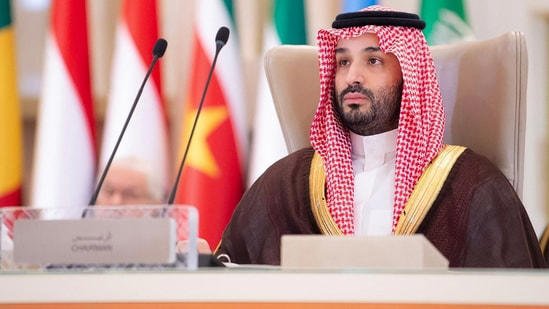
Saudi Prince Turki Al-Faisal recently accused Israel of committing “genocide” in its military actions against Palestinians in Gaza. This remark, made in a public forum, has resonated widely across the Middle East, underscoring mounting regional outrage over the escalating violence in Gaza. With an increasing civilian death toll and widespread devastation, the conflict has drawn condemnation from numerous leaders and organizations worldwide. Prince Turki’s statement is a striking shift for Saudi Arabia, which has been navigating a complex diplomatic stance in its approach to the Israel-Palestine conflict.
Prince Turki’s Remarks: A Rare Censure from Saudi Leadership
Prince Turki, a former intelligence chief and influential figure in Saudi Arabia, did not mince words during his address. Referring to Israel’s ongoing military operations in Gaza as “genocide,” he called for an immediate halt to the hostilities and urged the international community to take action. “What is happening in Gaza,” he stated, “is nothing less than the systematic killing and displacement of a people, actions which constitute genocide.”
His statement came amid reports of heavy bombardment in Gaza, where Israeli airstrikes and ground operations have led to substantial destruction and a rapidly climbing civilian death toll. Humanitarian organizations on the ground have described the situation as a “human catastrophe,” with essential services such as hospitals and schools under severe strain. According to United Nations estimates, tens of thousands of civilians in Gaza have been killed or injured since the start of the recent escalation, with the vast majority being non-combatants.
While Prince Turki is not a member of the Saudi royal family’s executive hierarchy, his comments carry considerable weight as he is a respected figure with strong ties to the nation’s political and intelligence circles. His remarks are among the most forceful yet from any Saudi official regarding the Israeli-Palestinian conflict, signaling a potential shift in tone from a kingdom that has historically maintained a balanced, albeit cautious, approach to the issue.
Regional and Global Repercussions
Prince Turki’s accusation comes at a time when the Arab world is experiencing a wave of pro-Palestinian demonstrations. From Cairo to Amman and beyond, protests have erupted across the region, with demonstrators condemning Israel’s actions and urging their governments to take a stronger stance in support of Palestinians. Many observers view the Saudi prince’s comments as a reflection of the Arab world’s frustration over what is perceived as inadequate international response to the Gaza crisis.
The accusation of genocide is particularly charged and has significant implications under international law. The term implies actions intended to destroy a particular group of people in whole or in part, as defined by the United Nations Convention on the Prevention and Punishment of the Crime of Genocide. Prince Turki’s use of the term highlights the level of severity with which he views the current conflict and aligns with the growing number of international voices calling for accountability.
In response, Israel has continued to defend its actions, asserting that its military operations in Gaza are aimed at dismantling Hamas infrastructure and preventing attacks on Israeli civilians. Israel’s government has argued that Hamas uses civilian areas as cover, a claim that has fueled ongoing debate about the nature and legality of Israel’s military strategy. The conflict has, however, brought immense suffering to Gaza’s civilian population, with reports of hospitals being overwhelmed, critical shortages of food and water, and power outages that have plunged much of the enclave into darkness.
Saudi Arabia’s Diplomatic Balancing Act
Saudi Arabia has traditionally been cautious in its approach to Israel, balancing regional alliances with its own national interests. Over the last few years, Saudi Arabia has engaged in U.S.-led efforts to explore a potential normalization deal with Israel, similar to agreements made by the United Arab Emirates and Bahrain under the Abraham Accords. However, the escalating Gaza crisis has complicated these discussions and increased domestic and regional pressure on Riyadh to take a firmer stance in support of Palestinians.
Prince Turki’s remarks, while not an official policy statement from the Saudi government, reflect the kingdom’s sensitivity to the issue and the complexities it faces in managing its foreign policy. Saudi leaders must carefully consider both the broader Arab public opinion, which is overwhelmingly supportive of the Palestinian cause, and their strategic interests, which include maintaining stable relations with the West.
International Calls for Ceasefire and Accountability
The prince’s comments align with a rising international chorus demanding a ceasefire and humanitarian access to Gaza. Organizations such as the United Nations and the International Red Cross have warned of dire consequences if hostilities continue without regard for civilian lives. Leaders from multiple countries, including Turkey, Jordan, and Malaysia, have issued statements similar to that of Prince Turki, accusing Israel of excessive use of force and calling for urgent measures to protect Palestinian civilians.
In the face of this mounting pressure, Israel has continued its operations, citing the need to neutralize security threats. However, the international community’s calls for restraint and accountability are intensifying, making it clear that the humanitarian crisis in Gaza cannot be ignored.
Prince Turki Al-Faisal’s statement on the Gaza conflict represents a powerful condemnation from within Saudi Arabia, resonating with the wider Arab world’s frustration and sympathy for Palestinians. His use of the term “genocide” to describe Israel’s actions has added urgency to calls for an immediate end to the violence and has brought renewed attention to the need for accountability. As the humanitarian toll in Gaza continues to rise, regional and global stakeholders are facing increasing pressure to facilitate a peaceful resolution, one that addresses both immediate humanitarian needs and the longstanding grievances at the heart of the Israel-Palestine conflict.