

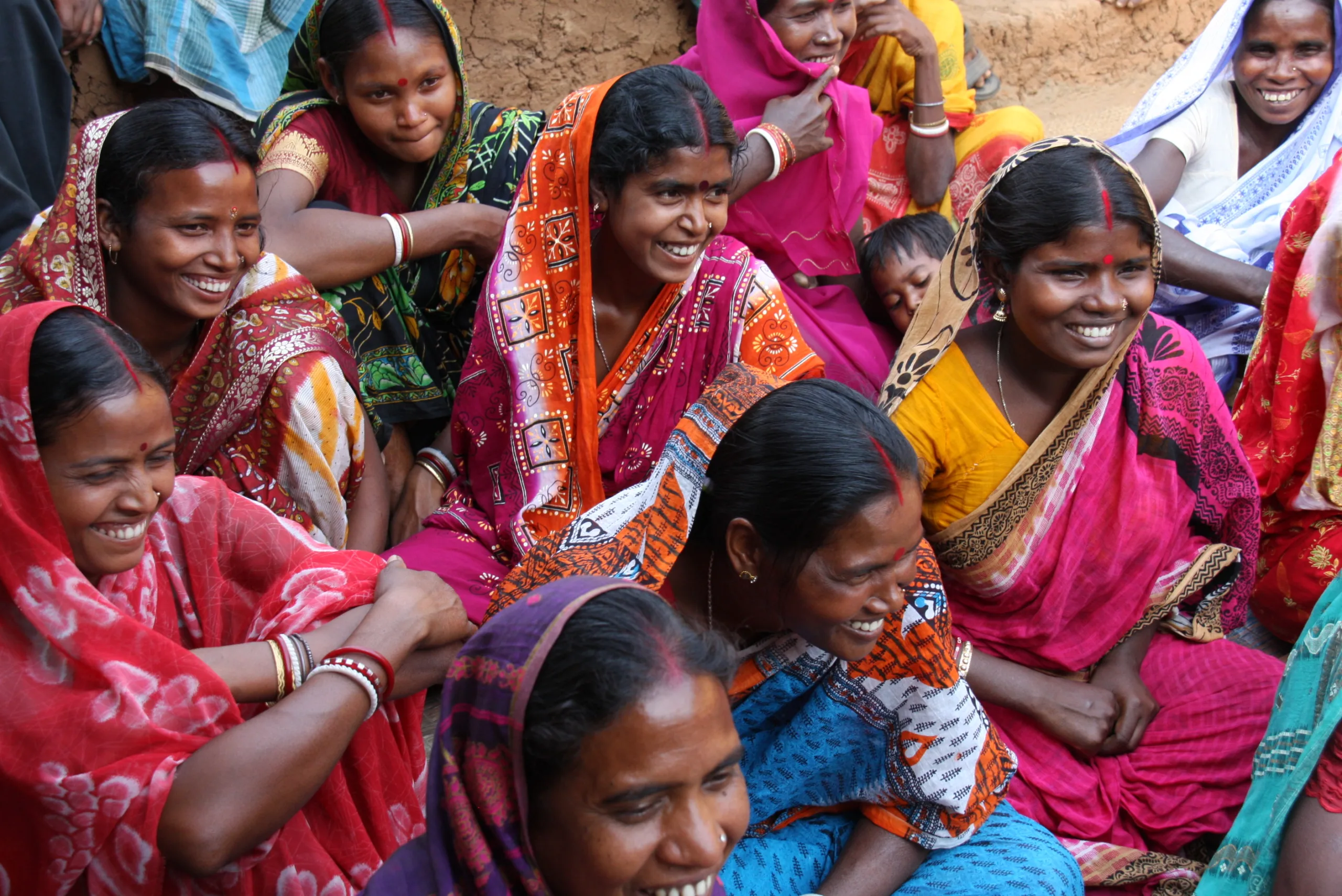
Self-help groups (SHGs) across the region are receiving strong credit flows and government subsidies, significantly strengthening rural livelihoods and women-led entrepreneurship. Moreover, this financial support is helping expand income-generating activities in agriculture, small trade, and micro-enterprises. Consequently, SHGs are emerging as key drivers of grassroots economic development. Meanwhile, policymakers continue to emphasize financial inclusion as a central pillar of rural transformation.
Security Forces Collaborate with Locals in Peace-Building and Community Service Programs
Self-Help Groups Across the Region Benefit from Strong Credit Flow Support
Self-help groups across the region are benefiting from improved access to credit flows, which is enhancing their financial stability. Moreover, easier access to institutional finance is enabling members to scale up small businesses and collective ventures.
Credit availability plays a crucial role in strengthening SHG activities. Furthermore, timely loans help groups invest in productive assets and working capital. As a result, income-generating opportunities are expanding at the grassroots level.
The increased credit flow reflects stronger integration of SHGs with formal banking systems. Additionally, financial institutions are actively supporting group-based lending models. Therefore, SHGs are becoming more financially empowered.
Meanwhile, awareness programs are helping groups better understand credit systems. Similarly, training initiatives are improving financial literacy among members. Hence, access to credit is becoming more effective and sustainable.
Although some groups still face challenges in repayment cycles, structured support systems are helping manage risks. Nevertheless, continued financial guidance remains important.
Government Subsidies Strengthen SHG-Led Entrepreneurship
Government subsidies provided to self-help groups are playing a major role in strengthening SHG-led entrepreneurship across the region. Moreover, these subsidies reduce financial burden and encourage business expansion.
Subsidy programs support activities such as tailoring, food processing, handicrafts, and agriculture-based enterprises. Furthermore, they help reduce initial investment barriers for rural women entrepreneurs. Consequently, more SHGs are entering income-generating sectors.
The availability of subsidies also encourages innovation at the grassroots level. Additionally, groups are exploring diversified business models based on local resources. Therefore, SHGs are contributing to rural economic diversification.
Meanwhile, government schemes continue to focus on women empowerment through financial assistance. Similarly, targeted programs aim to improve self-reliance among rural households. Hence, subsidies remain a key policy tool.
Although administrative processes can sometimes slow down access, digitization is improving efficiency. Nevertheless, better implementation can further enhance impact.
SHGs Drive Financial Inclusion and Rural Economic Growth
Self-help groups receiving strong credit flows and subsidies are significantly contributing to financial inclusion and rural economic growth. Moreover, SHGs act as a bridge between rural communities and formal financial systems.
Financial inclusion ensures that underserved populations have access to banking and credit services. Furthermore, SHGs help build trust and accountability in financial transactions. As a result, rural households become more economically stable.
The growth of SHGs also supports local employment generation. Additionally, group-based enterprises create jobs within communities. Therefore, SHGs play a vital role in reducing rural unemployment.
Meanwhile, digital banking tools are increasingly being adopted by SHGs. Similarly, mobile-based financial services are improving accessibility. Hence, financial systems are becoming more inclusive and efficient.
Although gaps in digital literacy remain, ongoing training programs are addressing them. Nevertheless, continued support is necessary for full inclusion.
Self-Help Groups Strengthen Women Empowerment and Community Development
Self-help groups across the region receiving credit flows and subsidies are also strengthening women empowerment and community development. Moreover, SHGs are enabling women to take active roles in economic decision-making.
Women’s participation in SHGs enhances financial independence. Furthermore, collective savings and lending improve household economic security. Consequently, women are gaining greater control over income and resources.
The SHG model also fosters leadership and decision-making skills. Additionally, group participation encourages social cohesion and mutual support. Therefore, SHGs contribute to both economic and social empowerment.
Meanwhile, governments continue to prioritize women-centric development programs. Similarly, capacity-building initiatives are being expanded for SHG members. Hence, empowerment remains a key outcome.
Although social barriers still exist in some areas, SHGs are gradually transforming community dynamics. Nevertheless, sustained engagement is essential for deeper impact.
Conclusion
Self-help groups (SHGs) across the region receiving strong credit flows and government subsidies highlights a major step forward in strengthening rural economies and financial inclusion. Moreover, improved access to credit and financial support is enabling SHGs to expand entrepreneurship and income opportunities. Consequently, they are becoming key contributors to grassroots development.
The role of government subsidies and banking support further strengthens SHG-led economic activities. Furthermore, these initiatives are empowering women and enhancing community-level development. As a result, SHGs are playing a central role in rural transformation.
Looking ahead, continued support for self-help groups across the region receiving strong credit flows and government subsidies will be crucial for sustaining growth. Additionally, better financial literacy, digital access, and implementation efficiency will further strengthen outcomes. Therefore, SHGs are set to remain a powerful engine of inclusive and sustainable development.
FAQs
1. What is supporting SHGs across the region?
SHGs are receiving strong credit flows and government subsidies. Moreover, this helps strengthen their economic activities.
2. How do credit flows help SHGs?
Credit flows help SHGs expand businesses and invest in income-generating activities. Furthermore, they improve financial stability.
3. What types of activities do SHGs engage in?
SHGs engage in tailoring, agriculture, handicrafts, and small-scale enterprises. Additionally, they support rural entrepreneurship.
4. How do government subsidies benefit SHGs?
Subsidies reduce financial burden and encourage business expansion. Consequently, they promote entrepreneurship.
5. Why are SHGs important for rural development?
SHGs promote financial inclusion, women empowerment, and local employment. Moreover, they strengthen rural economies.