

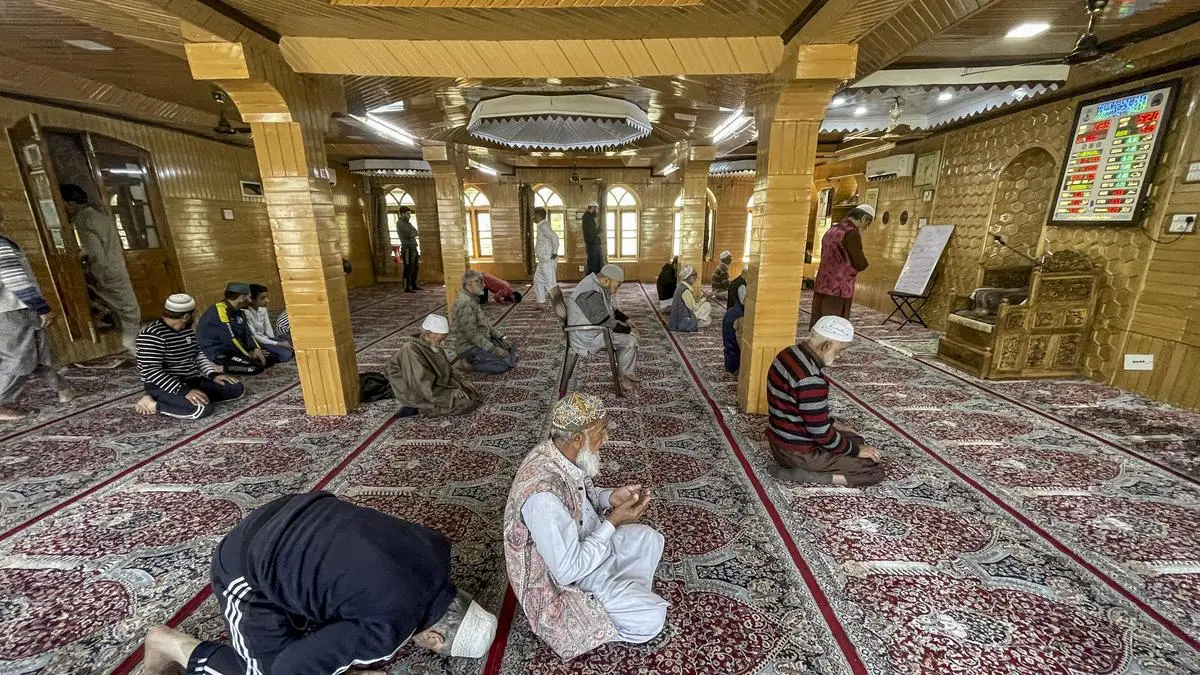
The Religious Institution Scrutiny Demand gained attention after the Masjid Welfare Committee called for uniform examination of all religious institutions. The committee argued that authorities should apply the same standards and procedures across faith-based organizations to ensure fairness and transparency.
Massive ₹50 Lakh Narcotics Seized at Border
Major Siang Mega Project Gains Strong Local Support
Religious Institution Scrutiny Demand Gains Public Attention
The Masjid Welfare Committee has called for a consistent approach to the scrutiny of religious institutions. Moreover, the committee emphasized that authorities should apply identical standards regardless of religious affiliation.
The demand has generated discussion among community leaders and members of the public. Additionally, many observers have highlighted the importance of equal treatment under established regulations.
Committee Calls for Uniform Standards
Committee representatives argued that authorities should implement uniform procedures when reviewing religious organizations. Furthermore, they stated that consistent oversight could strengthen public confidence and improve transparency.
Supporters of the proposal believe equal standards can reduce perceptions of bias. Consequently, the demand has become a topic of wider public debate.
Transparency Remains a Central Concern
The committee stressed the importance of transparency in the functioning and oversight of religious institutions. Moreover, members argued that clear procedures can help build trust between communities and regulatory authorities.
Transparency often plays a vital role in public administration. Therefore, advocates of the proposal view consistent scrutiny as a mechanism for ensuring accountability.
Public Discussion Expands Beyond the Immediate Issue
The Religious Institution Scrutiny Demand has prompted broader conversations about governance and regulatory practices. Additionally, community members have discussed how authorities can balance oversight with respect for religious freedoms.
Many observers have emphasized the importance of fair and impartial implementation. Furthermore, they have encouraged constructive dialogue among all stakeholders.
Equal Treatment Becomes a Key Theme
A major focus of the committee’s position involves equal treatment of all religious institutions. Moreover, representatives have argued that authorities should avoid selective approaches when applying regulations.
Supporters contend that consistency strengthens confidence in public institutions. As a result, calls for uniform standards have resonated with sections of the community.
Community Leaders Share Perspectives
Various community leaders have offered opinions on the issue. Furthermore, some have supported the call for equal scrutiny, while others have emphasized the need for careful consultation before implementing new measures.
The discussion has highlighted diverse viewpoints within society. Nevertheless, many participants agree that fairness should remain a guiding principle.
Authorities Urged to Ensure Consistency
The committee has encouraged authorities to adopt policies that apply uniformly across different institutions. Moreover, representatives have stated that consistency can help prevent misunderstandings and strengthen public trust.
Officials often rely on standardized procedures to ensure fairness. Therefore, the proposal aligns with broader discussions about accountability and governance.
Religious Institution Scrutiny Demand Highlights Governance Issues
The Religious Institution Scrutiny Demand has drawn attention to questions surrounding oversight, transparency, and equal application of regulations. Furthermore, the debate illustrates how governance issues can affect public perceptions of fairness.
Observers note that discussions of this nature often extend beyond individual institutions. Consequently, the issue has gained significance in wider policy conversations.
Calls for Dialogue and Cooperation
Several stakeholders have encouraged open dialogue among community organizations, religious leaders, and authorities. Moreover, they believe constructive engagement can help address concerns while maintaining social harmony.
Effective communication often reduces misunderstandings and builds consensus. Additionally, cooperative approaches can support solutions that reflect diverse viewpoints.
Conclusion
The Religious Institution Scrutiny Demand raised by the Masjid Welfare Committee has sparked important discussions about fairness, transparency, and equal treatment of religious organizations. By calling for uniform scrutiny across all faith-based institutions, the committee has emphasized the need for consistent standards and impartial regulatory practices. Moreover, the proposal has encouraged broader conversations about governance and public accountability.
Community leaders, residents, and stakeholders continue to examine the implications of such an approach. Furthermore, many participants in the debate agree that transparency and fairness should remain central considerations in any oversight framework. The Religious Institution Scrutiny Demand therefore represents more than a single policy suggestion; it reflects wider concerns about equality, trust, and the consistent application of rules across diverse communities.
FAQs
1. What did the Masjid Welfare Committee demand?
The committee called for uniform scrutiny of all religious institutions. Moreover, it argued that authorities should apply the same standards across different faith-based organizations.
2. Why has the issue attracted attention?
The demand raises questions about fairness, transparency, and equal treatment. Consequently, it has generated public discussion and debate.
3. What is the main objective of the proposal?
The proposal seeks to ensure that authorities follow consistent procedures when reviewing religious institutions. Furthermore, supporters believe this approach can strengthen public confidence.
4. How have community leaders responded?
Community leaders have expressed a range of opinions on the matter. Additionally, many have emphasized the importance of dialogue and fairness.
5. What does the Religious Institution Scrutiny Demand signify?
The Religious Institution Scrutiny Demand signifies a call for equal oversight and transparency across religious organizations. Moreover, it highlights broader discussions about governance and accountability.