

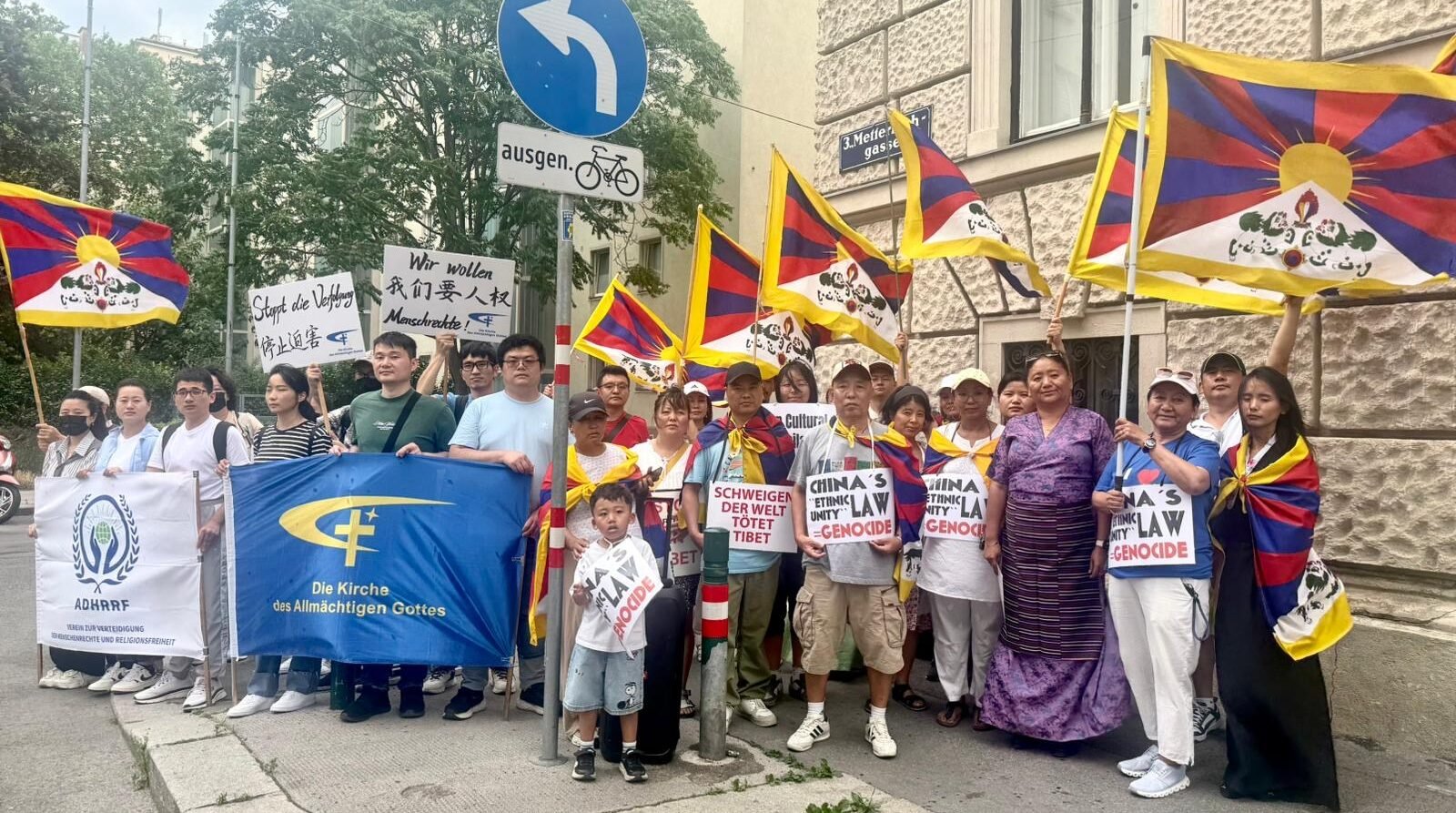
The Sikkim Tibetans peaceful protest drew significant attention after members of the Tibetan community gathered peacefully in Gangtok to oppose China’s newly introduced Ethnic Unity and Progress Law. Moreover, the demonstration, led by the Tibetan Settlement Office (TSO), expressed concerns that the legislation could affect the cultural, linguistic, and religious identity of ethnic minority communities. Consequently, participants urged the international community to closely monitor developments related to the law. Meanwhile, the peaceful gathering highlighted the Tibetan diaspora’s continued advocacy for cultural preservation and human rights.
Barak Valley Reports 148 Infant Deaths Over Three-Month Period in Assam
Sikkim Tibetans Peaceful Protest Highlights Concerns Over New Chinese Law
The Sikkim Tibetans peaceful protest took place in Gangtok under the leadership of the Tibetan Settlement Office, with community members participating in a peaceful demonstration against China’s Ethnic Unity and Progress Law. Moreover, organizers stated that the gathering aimed to raise awareness about the law’s potential impact on minority communities.
According to community representatives, the legislation could affect the protection of minority languages, cultural traditions, and religious heritage. Furthermore, participants expressed concern that the law may encourage greater cultural assimilation. Consequently, they appealed for continued international attention to issues concerning Tibetan identity and cultural rights.
The demonstration remained peaceful throughout its duration. Additionally, organizers emphasized dialogue and public awareness rather than confrontation. Therefore, the event reflected the community’s commitment to expressing its concerns through peaceful civic engagement.
Meanwhile, similar expressions of concern have emerged from Tibetan organizations and human rights groups in different countries following the passage of the legislation. Likewise, several international organizations have issued statements examining the implications of the new law.
Sikkim Tibetans Peaceful Protest Reflects Wider Global Concerns
The Sikkim Tibetans peaceful protest occurred as discussions surrounding China’s Ethnic Unity and Progress Law gained international attention. Moreover, the legislation is scheduled to take effect on July 1, 2026, after its adoption by China’s National People’s Congress earlier this year.
Several human rights organizations have argued that the legislation could affect the cultural, linguistic, and religious rights of ethnic minority communities. Furthermore, Amnesty International stated that broad provisions within the law may create concerns regarding its implementation. Consequently, international debate surrounding the legislation has continued to grow.
Chinese authorities, however, have presented the legislation as a measure intended to promote ethnic unity and strengthen national cohesion. Meanwhile, international observers continue to assess the law from differing legal and human rights perspectives. Therefore, the issue remains the subject of ongoing global discussion.
Similarly, demonstrations and awareness campaigns have taken place in other parts of India and overseas, reflecting the broader response from sections of the Tibetan diaspora. Hence, the Gangtok protest formed part of a wider international pattern of peaceful demonstrations.
Community Leaders Emphasize Cultural Preservation
The Sikkim Tibetans peaceful protest also highlighted the importance that community leaders place on preserving Tibetan language, culture, and religious traditions. Moreover, speakers at the gathering encouraged peaceful advocacy and continued public awareness regarding issues affecting Tibetan communities.
Cultural preservation remains an important priority for many diaspora communities across the world. Furthermore, educational, linguistic, and religious institutions often play a central role in maintaining cultural identity across generations. Consequently, community organizations continue to organize awareness initiatives and cultural programmes.
During the Gangtok gathering, participants appealed for greater international attention toward the concerns raised by Tibetan communities. Additionally, organizers reiterated their commitment to peaceful dialogue and democratic expression. Therefore, the demonstration focused on advocacy rather than confrontation.
Meanwhile, academic institutions, human rights organizations, and policymakers continue to discuss the broader implications of legislation affecting ethnic minorities. Likewise, cultural preservation remains a recurring topic in international human rights discussions.
Peaceful Demonstration Highlights Democratic Expression
The Sikkim Tibetans peaceful protest demonstrated how diaspora communities use peaceful public gatherings to express their views on international developments. Moreover, such demonstrations provide participants with an opportunity to communicate their concerns through lawful civic engagement.
Peaceful assemblies remain an established form of democratic expression in many societies. Furthermore, they allow communities to raise awareness regarding issues they consider important while encouraging public discussion. Consequently, organizers emphasized non-violent participation throughout the event.
The Gangtok protest concluded peacefully after community members delivered their message regarding the new legislation. Additionally, participants called for continued dialogue on cultural rights and international cooperation. Therefore, the event remained focused on advocacy and awareness.
Meanwhile, observers expect discussions surrounding the law and its implementation to continue in international forums. Similarly, community organizations are likely to maintain engagement through awareness programmes and peaceful public events. Hence, the issue continues to receive attention beyond the immediate protest.
Conclusion
The Sikkim Tibetans peaceful protest marked a peaceful expression of concern by the Tibetan community in Gangtok regarding China’s Ethnic Unity and Progress Law. Moreover, the demonstration highlighted issues relating to cultural preservation, language, and religious identity while emphasizing non-violent civic participation. Consequently, the event attracted attention both within India and internationally.
Furthermore, the protest reflected broader international discussions surrounding the legislation and its potential implications for ethnic minority communities. Additionally, differing perspectives from community groups, human rights organizations, and Chinese authorities continue to shape the ongoing debate. Therefore, the issue remains under close public and international observation.
Looking ahead, the Sikkim Tibetans peaceful protest underscores the importance of peaceful dialogue and civic engagement in addressing issues of cultural identity and human rights. Moreover, continued discussion among stakeholders may contribute to greater international understanding of the concerns expressed by the Tibetan community. Consequently, the event represents a notable development in ongoing global conversations about ethnic and cultural rights.
FAQs
1. What was the Sikkim Tibetans peaceful protest about?
The Sikkim Tibetans peaceful protest was organized in Gangtok to express concerns about China’s Ethnic Unity and Progress Law and its potential impact on minority languages, culture, and religious heritage.
2. Who organized the protest?
The Tibetan Settlement Office (TSO), Gangtok, along with members of the local Tibetan community, organized the peaceful demonstration.
3. Why did protesters oppose the law?
Participants stated that they feared the legislation could affect the cultural, linguistic, and religious identity of ethnic minority communities.
4. Was the demonstration peaceful?
Yes. Organizers and participants conducted the gathering peacefully and emphasized awareness, dialogue, and non-violent civic participation.
5. When does China’s Ethnic Unity and Progress Law take effect?
According to official information, the law is scheduled to come into effect on July 1, 2026.