

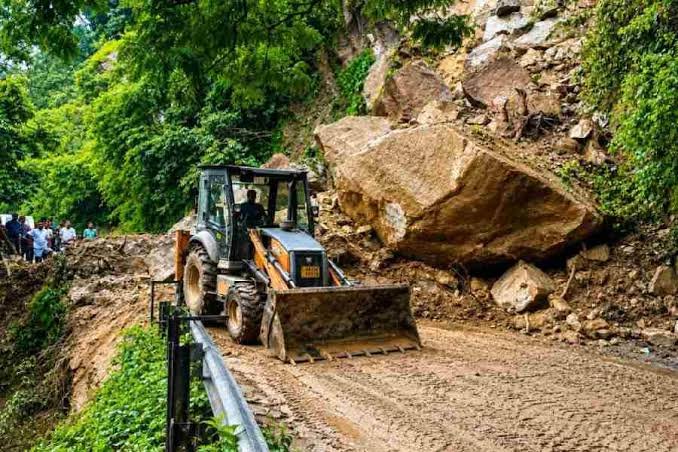
Heavy machinery has been deployed at critical landslide-prone zones along the Siliguri-Gangtok national highway route. The move aims to strengthen road maintenance and improve the response to landslides during the challenging monsoon season. These vulnerable stretches often face falling rocks, soil erosion and debris accumulation after heavy rainfall.
The highway serves as a vital transport link between Siliguri and Gangtok. It supports passenger movement, tourism, commercial transport and the delivery of essential supplies to Sikkim. Therefore, disruptions along this route can affect residents, businesses and visitors.
The deployment of heavy equipment could help road crews clear debris faster and address blockages. Moreover, it may improve access for emergency teams when landslides interrupt traffic. However, continued rainfall and unstable slopes remain major challenges for highway authorities.
Heavy Equipment Reaches Vulnerable Highway Zones
Authorities have deployed heavy machinery at landslide-prone locations along the Siliguri-Gangtok highway corridor. The equipment can support debris removal, road clearance and other emergency maintenance activities.
Such machinery becomes particularly important during the monsoon. Heavy rainfall can loosen soil and rocks on steep slopes. As a result, debris may suddenly spill onto road surfaces and restrict vehicle movement.
Excavators, loaders and other road-clearing equipment can help crews remove accumulated material. In addition, their presence near vulnerable stretches may reduce the time required to respond to sudden blockages.
The deployment also highlights the importance of preparing high-risk highway sections before severe weather conditions worsen.
Siliguri-Gangtok Highway Remains a Vital Lifeline
The Siliguri-Gangtok highway provides a crucial connection between North Bengal and Sikkim. It carries daily commuters, tourists, transport vehicles and essential supplies.
Consequently, any major disruption can create difficulties for several communities.
Tourism businesses depend heavily on reliable road access. Hotels, transport operators, restaurants and local vendors all require regular movement between Siliguri and Gangtok.
Meanwhile, residents rely on the highway for medical travel, education and access to essential goods. Commercial vehicles also use the corridor to transport food, construction materials and other supplies.
Therefore, maintaining road connectivity remains an important administrative priority.
Monsoon Rains Increase Landslide Risks
The monsoon season regularly increases landslide risks across the Himalayan region. Steep terrain, loose soil and prolonged rainfall can weaken slopes.
When water enters cracks in the ground, it can reduce soil stability. Eventually, rocks, mud and other debris may move downhill and reach the highway.
Some locations face repeated blockages because of their terrain and drainage conditions. Furthermore, continuous rainfall can make clearance and repair operations more difficult.
Road crews must also consider the possibility of fresh landslides while working near unstable slopes.
For this reason, authorities need to combine machinery deployment with weather monitoring and regular inspections.
Machinery Can Speed Up Emergency Road Clearance
Heavy machinery can play an important role in reducing the duration of highway blockages.
Excavators can remove large quantities of soil and rocks. Loaders can shift debris away from the carriageway. Other equipment can support road repairs and the restoration of damaged sections.
Moreover, keeping machinery close to vulnerable locations can help teams respond more quickly after a landslide.
However, equipment alone cannot eliminate the risks associated with unstable mountain slopes. Workers must assess ground conditions before beginning clearance operations.
Authorities may also need to restrict traffic temporarily when crews face dangerous conditions.
These precautions can protect workers and motorists during emergency operations.
Road Safety Remains a Major Concern
Landslide-prone highway stretches require careful monitoring throughout the rainy season.
Drivers should remain alert when travelling through areas with steep slopes and visible rockfall risks. They should also avoid stopping near unstable hillsides or recently affected road sections.
In addition, motorists should follow traffic instructions issued by police and highway authorities.
Sudden landslides can occur with little warning. Therefore, drivers should avoid unnecessary travel during periods of intense rainfall whenever possible.
Tourists heading towards Gangtok should check road conditions before starting their journeys. They should also allow extra travel time because clearance work and temporary restrictions may affect movement.
Coordination Needed for Long-Term Highway Protection
The deployment of heavy machinery addresses an immediate operational need. However, long-term protection requires broader engineering and maintenance measures.
Authorities need to identify repeatedly affected locations and assess their slope conditions. Regular drainage maintenance can also help prevent water accumulation along vulnerable sections.
Where necessary, slope stabilisation measures may reduce the likelihood of recurring landslides. These could include retaining structures, protective barriers and improved drainage systems.
Furthermore, coordinated monitoring by road agencies, district administrations and disaster response teams can improve preparedness.
Such measures can support safer travel and reduce the impact of monsoon-related disruptions.
Improved Connectivity Could Support Sikkim’s Economy
Reliable road connectivity plays a major role in Sikkim’s economy. Tourism, trade, transport and local businesses all depend on the Siliguri-Gangtok corridor.
Frequent road closures can increase transport costs and delay the movement of essential goods. They can also affect tourist bookings and business operations.
Therefore, faster emergency clearance could help reduce the economic impact of landslides.
However, consistent maintenance and preventive engineering remain essential. Authorities must continue monitoring vulnerable stretches even when traffic moves normally.
A safer highway network can improve public convenience while supporting the state’s wider economic activities.
Conclusion
The deployment of heavy machinery at critical landslide-prone zones along the Siliguri-Gangtok highway marks an important step towards improving monsoon preparedness. The equipment can help road crews clear debris and respond to blockages more efficiently.
Nevertheless, the Himalayan terrain continues to present serious challenges during heavy rainfall. Regular inspections, drainage maintenance and slope protection will remain essential. Together, these efforts can help protect commuters and maintain this vital road connection to Gangtok.
FAQs
1. Where has heavy machinery been deployed?
Heavy machinery has been deployed at critical landslide-prone zones along the Siliguri-Gangtok national highway route.
2. Why is the machinery being deployed?
The equipment will support debris removal, road clearance and emergency maintenance during landslide incidents.
3. Why is the Siliguri-Gangtok highway important?
It connects Sikkim with North Bengal and supports tourism, trade, passenger travel and essential supply movement.
4. Why do landslides frequently affect this route?
Heavy monsoon rainfall, steep slopes and unstable soil increase the risk of landslides in the Himalayan region.
5. How can heavy machinery help during road blockages?
Excavators and loaders can remove fallen rocks, soil and debris to help restore road access.
6. What should motorists do during the monsoon?
Drivers should check road conditions, follow official instructions and avoid travelling through unsafe stretches during intense rainfall.