


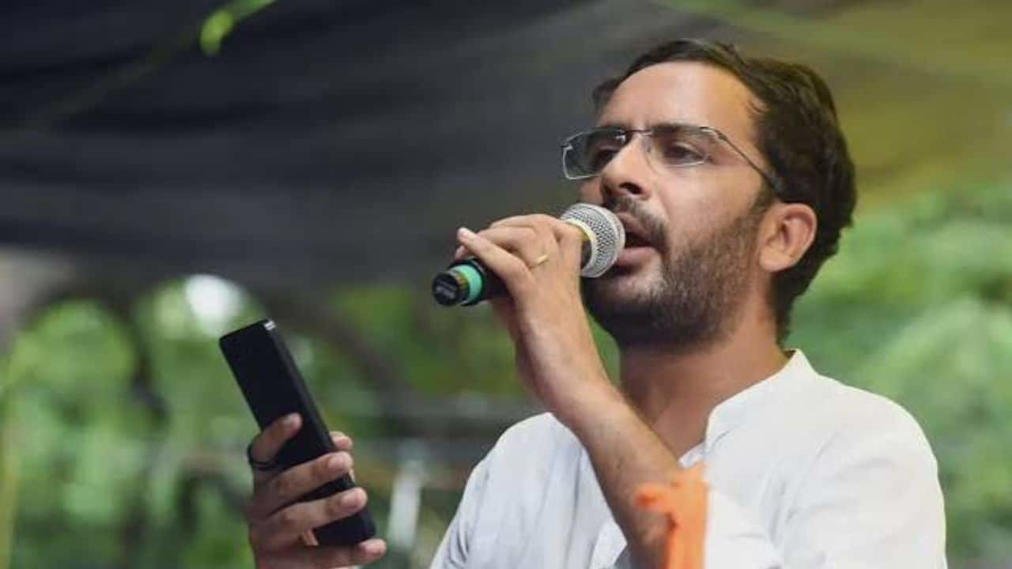
The controversy surrounding the Special Intensive Revision (SIR) of electoral rolls has intensified ahead of the proposed October 10 protest in Delhi. Cockroach Janta Party (CJP) co-convener Ashutosh Ranka has made a special appeal to voters whose names have allegedly been marked as “dead” in electoral records, urging them to join the demonstration.
In a video message posted on X on October 6, Ranka called the upcoming protest a “critical fight” to protect democracy. He appealed particularly to people who have been listed as deceased despite being alive to participate in the October 10 mobilisation.
‘Dead Voters’ Asked to Join October 10 Protest
Ranka’s appeal centres on voters who claim their names have been incorrectly marked as deceased during the electoral-roll revision process. He urged such people to attend the protest and carry a placard highlighting their status as voters who are allegedly “dead” on official records despite being alive.
The appeal is part of the CJP’s wider campaign against what it describes as irregularities in the SIR process. The group has been demanding greater accountability from the Election Commission and questioning the manner in which names have been removed or categorised during the revision of electoral rolls.
The CJP has also called for the resignation of Chief Election Commissioner Gyanesh Kumar over its allegations concerning the SIR exercise. The Election Commission and government have rejected allegations of wrongdoing and have maintained that the revision process is intended to clean up electoral rolls by identifying duplicate, deceased and otherwise ineligible entries.
CJP Calls October 10 Protest a Fight for Democracy
The October 10 protest is planned at Delhi’s Jantar Mantar and is expected to be part of a broader mobilisation against the SIR exercise. CJP founder Abhijeet Dipke had earlier announced that supporters would march to Delhi if Gyanesh Kumar did not resign.
Dipke said the demonstration would be peaceful and urged citizens who support free and fair elections to participate. The organisation has also warned that it would continue its protest even if authorities attempted to stop the march.
Ranka, meanwhile, has portrayed the campaign as a movement to protect democratic rights and strengthen accountability within electoral institutions.
CJP Leaders Claim Possible Arrests
The political tension surrounding the protest has increased following claims by CJP leaders that they could be arrested before October 10.
Ranka, along with Saurav Das and Abhijeet Dipke, has claimed that authorities may take action against them ahead of the planned demonstration. Ranka said the leaders were prepared to face arrest and asserted that such action would not stop their campaign.
Saurav Das also alleged that the government was planning to arrest several CJP leaders and appealed to supporters to continue the movement “with or without” them. He called for a major mobilisation beginning October 10.
SIR Debate Intensifies Across India
The SIR exercise has become a major political and civic issue, with opposition parties and civil society groups raising concerns about the deletion of names from electoral rolls. Critics argue that legitimate voters could be excluded if they are unable to meet documentation requirements or if their records are incorrectly classified.
The Election Commission, on the other hand, has defended the revision process, saying it is necessary to ensure that electoral rolls contain eligible voters and remove duplicate or ineligible entries. The dispute has consequently developed into a larger debate over voter rights, electoral transparency and the independence of election institutions.
What Lies Ahead of October 10?
With the October 10 protest approaching, Ashutosh Ranka’s appeal to voters marked as “dead” has added another striking element to the ongoing SIR controversy. The CJP hopes that people affected by disputed voter-list entries will publicly highlight their cases during the demonstration.
The protest is therefore likely to draw attention not only to the CJP’s demand for accountability from the Election Commission but also to broader concerns surrounding voter inclusion and electoral rights. As competing claims over the SIR process continue, October 10 is expected to be a significant day for the ongoing debate over India’s electoral rolls and democratic institutions.