

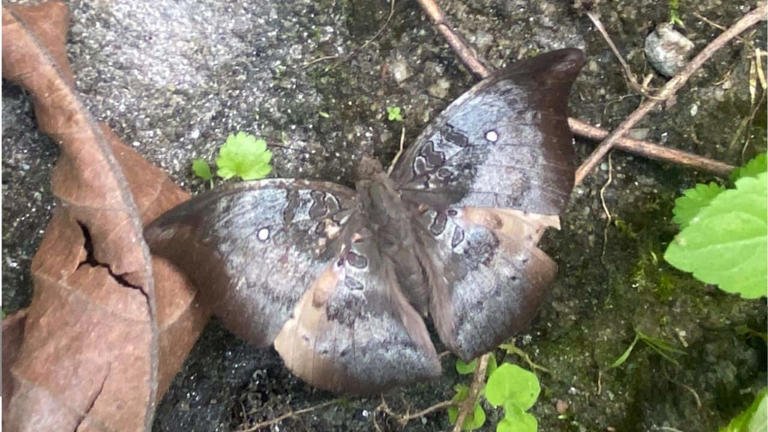
The spotless baron butterfly has been sighted again in Sikkim’s Dzongu region after a gap of five years. This reappearance has brought immense joy to environmentalists, researchers, and nature enthusiasts who have long been monitoring the state’s fragile butterfly population. The discovery not only highlights the region’s biodiversity but also reaffirms the effectiveness of Sikkim’s ongoing conservation initiatives.
The rare butterfly, scientifically known as Euthalia lubentina, was spotted by local researchers conducting a biodiversity survey in Dzongu, North Sikkim. Known for its unique wing pattern that lacks the characteristic white spots found on other baron species, the spotless baron is considered one of the most elusive butterflies in the Eastern Himalayas. Its reemergence signals a positive ecological shift, possibly linked to the improved habitat conditions and reduced human interference in the region.
Read More: Centre Proposes Article 371 Safeguards for Ladakh Amid 6th Schedule Stalemate
A Triumph for Sikkim’s Conservation Efforts
Experts have described the sighting as a “moment of triumph” for Sikkim’s environmental policies. Over the past decade, the state government has implemented strict conservation rules under the guidance of the Department of Forest and Environment. These include limiting construction in ecologically sensitive zones and promoting organic farming practices. According to wildlife biologists, such policies have allowed the ecosystem to rejuvenate, encouraging the return of species like the spotless baron butterfly.
Dzongu, often referred to as the “Land of the Lepchas,” is a restricted biodiversity zone, home to many endemic and endangered species. The local community plays a significant role in maintaining ecological balance by adhering to sustainable practices rooted in traditional beliefs. Experts believe that the collective efforts of the forest department, researchers, and indigenous residents have helped restore butterfly-friendly vegetation, providing ideal breeding grounds for the species’ comeback.
Butterfly experts from the Bombay Natural History Society (BNHS) also noted that the sighting of the spotless baron could indicate a healthy rise in the region’s micro-fauna population. This resurgence reflects a broader pattern of recovery seen in other Himalayan butterflies that had previously disappeared due to habitat loss and changing climate conditions.
The Ecological Importance of Butterflies
Butterflies play a vital role as pollinators and bioindicators, making them essential to any ecosystem’s balance. The spotless baron butterfly, in particular, is a sensitive species that thrives only in pristine environments. Its return suggests that Dzongu’s natural systems are stabilizing after years of environmental challenges.
Researchers emphasize that butterflies respond quickly to environmental changes, both positive and negative. The fact that this species has returned after such a long interval is a sign that the habitat is regaining its original vitality. The forests of Dzongu, enriched with wild banana plants and native flora, offer the perfect ecosystem for butterfly larvae to grow and develop.
Local naturalists who participated in the discovery remarked that the sighting of the spotless baron serves as a message of hope, reminding everyone of the value of patience and perseverance in conservation. They further stressed that such moments must encourage continuous ecological monitoring to ensure that fragile species are protected from threats like deforestation and climate change.
Community Participation and Eco-Tourism Potential
One of the key reasons behind Dzongu’s biodiversity preservation success is the involvement of local communities. The Lepcha people, native to this region, hold deep spiritual connections with nature. Their sustainable lifestyle and traditional ecological knowledge have greatly supported butterfly conservation in the area. The community’s initiatives to limit deforestation and prevent illegal poaching have also ensured the survival of rare species.
Armed with this success, the Sikkim government is now exploring eco-tourism opportunities around butterfly habitats. By promoting eco-friendly travel, the state aims to create awareness about species like the spotless baron butterfly while generating livelihood opportunities for local residents. Plans are underway to develop butterfly trails, interpretive centers, and guided tours that educate tourists about Sikkim’s natural heritage without disturbing its fragile ecosystem.
Officials from the state’s tourism department noted that responsible tourism could serve as an economic incentive for continued conservation. Visitors will be encouraged to take part in nature walks, photography, and workshops on biodiversity, thereby fostering a deeper appreciation for the delicate balance of Sikkim’s environment.
Scientific Documentation and Future Protection
Researchers have documented the new sightings of the spotless baron through photographs and genetic sampling to confirm species identity. The data collected will be shared with national biodiversity boards and international conservation organizations to strengthen Sikkim’s place in the global biodiversity map. Scientists also plan to conduct year-round studies to observe migration patterns and potential breeding behavior of the butterfly.
The Forest Department, in collaboration with local NGOs, is preparing an updated species inventory to include this rediscovery. Officials said the documentation will help formulate a long-term conservation plan tailored to preserve the spotless baron butterfly and its habitat. They also intend to introduce conservation workshops in nearby schools to engage students in protecting pollinators and spreading environmental awareness.
Environmental experts believe that continued monitoring and strict habitat protection are crucial for ensuring that this rediscovery does not become another short-lived success. They urge the government to expand forest protection zones and prevent large-scale infrastructure projects from encroaching on sensitive ecosystems like Dzongu.
A Symbol of Hope for the Himalayas
The reappearance of the spotless baron has rekindled optimism among conservationists and researchers across the Northeast. It serves as proof that consistent efforts and community involvement can revive even the rarest species. For the people of Sikkim, the sighting is not just an environmental milestone—it is a reaffirmation of their harmonious coexistence with nature.
As the state continues its journey toward becoming a global model of sustainable development, the spotless baron butterfly will remain a powerful symbol of hope, resilience, and balance in the heart of the Himalayas.
Read More: Arunachal Deputy CM Applauds Butterfly Conservation Efforts at Wakro Meet