

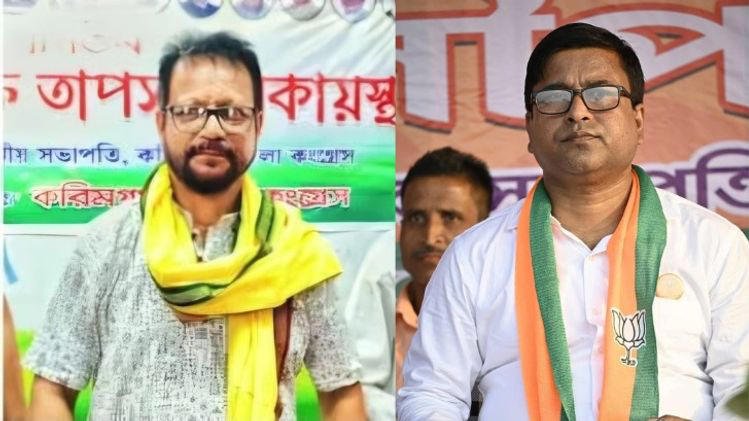
In the political landscape of Assam, rivalries are usually clearly defined. However, a recent administrative shuffle in the Sribhumi District Sports Association (DSA) has blurred these lines. As the state moves closer to the 2026 Assembly elections, the Sribhumi sports election stirs political debate across the district. The surprising display of cordiality between local BJP and Congress leaders has left many grassroots workers and political observers questioning the underlying motives behind such cross-party cooperation.
Read More: Chabimura Eco-Tourism Makeover: Tripura’s Hidden Gem Goes Global
Uncontested Victories and Strategic Nominations
The election for the district’s primary sports body was scheduled for January 8. However, several key positions were decided well in advance through unopposed victories. State Minister Krishnendu Paul, a prominent BJP figure, secured the position of President without contest. Similarly, ten vice-presidential slots were filled without a fight.
While uncontested wins are common in sports associations, the list of proposers is what caused the friction. The Sribhumi sports election stirs political debate specifically because of the sixth vice-president position. This seat was secured by Tapas Purkayastha, who serves as the District Congress President. In a shocking move, his name was proposed by Sanjeev Banik, the District BJP President. This public “bonhomie” between the heads of two rival parties has sent shockwaves through the local political circles.
Why the Sribhumi Sports Election Stirs Political Debate
Historically, the BJP and Congress in Sribhumi (formerly Karimganj) have been fierce competitors. The district is a critical battlefield for the upcoming Assembly polls. Therefore, the visible alliance between the two district presidents has raised serious questions. Grassroots supporters, who often engage in intense local rivalries, are now confused by the apparent friendship at the leadership level.
Critics argue that such cross-party nominations suggest a “shadow alliance” or a mutual understanding that could impact the 2026 elections. The Sribhumi sports election stirs political debate because it challenges the traditional narrative of ideological opposition. If the leaders of the two largest parties are collaborating on administrative appointments, voters may wonder if this cooperation extends to larger political strategies.
Key Points Fueling the Controversy:
- The Proposer Connection: BJP District President Sanjeev Banik proposing a Congress President’s name is seen as an unprecedented move in the region’s history.
- RSS Allegations: Some critics have alleged that individuals with close ties to the Rashtriya Swayamsevak Sangh (RSS) were nominated to specific posts without open competition.
- Lack of Transparency: Sources claim that certain nominations were not opened to the general public or other sports enthusiasts, leading to accusations of a “closed-door deal.”
- Assembly Election Timing: With less than 18 months until the state polls, any sign of cross-party friendship is viewed through a lens of political calculation.
The Impact on Local Grassroots Workers
For the average party worker, the Sribhumi sports election stirs political debate because it feels like a betrayal of the struggle on the ground. While the leaders share stages and nomination papers, the workers are often involved in bitter ideological battles. This development has led to a sense of disillusionment among some cadres who feel that “elite-level” politics is far removed from the realities of the voting booth.
Furthermore, the involvement of a state minister like Krishnendu Paul adds weight to the situation. As a newly inducted minister in the Himanta Biswa Sarma cabinet, Paul’s leadership of the sports body was expected. However, the inclusion of Congress leadership in his core team has provided the opposition—and even some members of his own party—with ammunition for debate.
Looking Toward the 2026 Assembly Polls
The Sribhumi sports election stirs political debate at a time when Assam’s political temperature is already rising. Chief Minister Himanta Biswa Sarma has consistently focused on a clear distinction between the NDA and the opposition. This local incident in Sribhumi appears to contradict that stance of total opposition.
Political analysts suggest that this could be a localized “truce” to ensure the smooth functioning of sports infrastructure in the district. However, in an election year, no move is purely administrative. Whether this cross-party cooperation is a sign of a shifting political culture or a one-time tactical arrangement remains to be seen.
Conclusion: A Sports Body with Political Weight
Ultimately, the Sribhumi District Sports Association is more than just a sports committee; it is a platform for local influence. The Sribhumi sports election stirs political debate because it highlights the complex, often hidden relationships that drive regional power dynamics. As the district prepares for the formalization of these roles on January 8, all eyes will be on how this “unholy alliance” affects the voter sentiment in the coming months.
As the 2026 polls approach, both the BJP and Congress will have to explain this sudden surge in cooperation to their respective bases. For now, the “Amazon of the East” is watching its political leaders play a very different kind of game.
Read More: NIA Probes Serial Explosions in Manipur’s Bishnupur District