

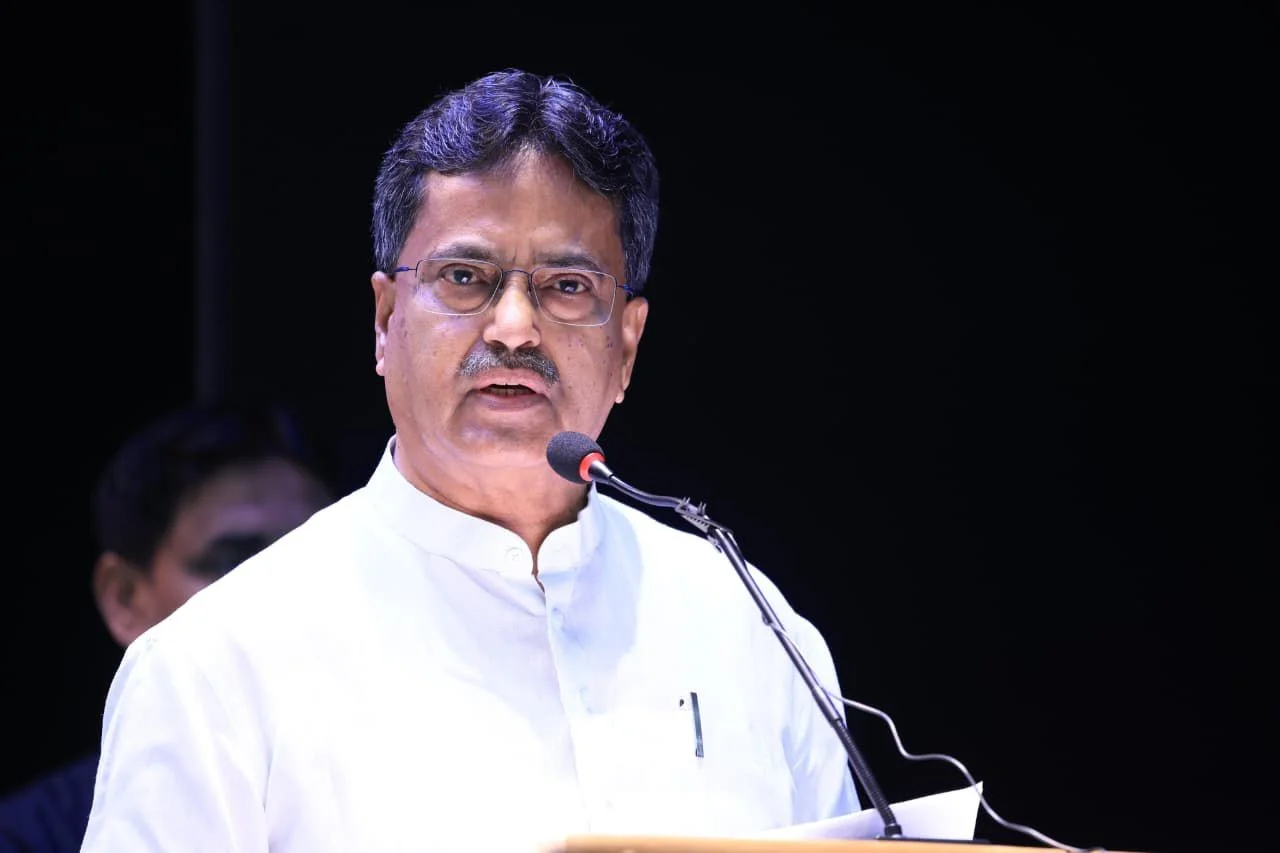
The state-wide health infrastructure drive has gained momentum after Tripura Health Minister Shyamal Chakraborty announced a new directive to upgrade 50 rural health sub-centers into fully functional wellness clinics before the end of the current financial quarter. Moreover, the initiative aims to strengthen healthcare delivery in remote areas and improve access to essential medical services. Consequently, the announcement highlights the government’s emphasis on expanding healthcare infrastructure and enhancing public health outcomes. Meanwhile, authorities are expected to accelerate implementation to meet the deadline.
Government Employees DA Demand Intensifies as Staff Seek Parity With Central Rates
Left Front Targets Electoral Roll Revision
State-Wide Health Infrastructure Drive Focuses on Rural Healthcare
The state-wide health infrastructure drive was unveiled with the objective of modernizing healthcare facilities across rural regions. Moreover, Health Minister Shyamal Chakraborty emphasized the importance of strengthening primary healthcare services.
Rural health centers serve as the first point of contact for many communities. Furthermore, improving their infrastructure contributes to better access to medical care and preventive health services. As a result, the initiative has attracted considerable attention.
According to the minister, 50 sub-centers will be transformed into fully functional wellness clinics. Additionally, the project aims to ensure that residents in remote areas receive improved healthcare support. Therefore, the announcement marks an important development in the state’s health sector.
Meanwhile, healthcare officials continue to assess the requirements necessary for implementation. Similarly, local communities are expected to benefit from enhanced facilities. Hence, the project remains a significant priority.
Although infrastructure challenges may arise, continued investment remains essential. Nevertheless, healthcare accessibility continues to be a key objective.
Shyamal Chakraborty Announces Upgrade of 50 Sub-Centers
The state-wide health infrastructure drive received further attention after Health Minister Shyamal Chakraborty outlined plans for upgrading rural health facilities. Moreover, the initiative is intended to expand the reach of wellness-based healthcare services.
Wellness clinics play an important role in providing preventive care, consultations, and basic treatment facilities. Furthermore, strengthening such institutions helps improve healthcare outcomes and community well-being. Consequently, the project is expected to contribute to broader public health goals.
The minister indicated that the upgrades are expected to be completed before the end of the financial quarter. Additionally, timely execution has been identified as a major priority. Therefore, administrative efforts are likely to focus on meeting the target.
Meanwhile, stakeholders in the healthcare sector continue to emphasize the importance of strengthening primary care infrastructure. Similarly, investment in medical facilities remains a major component of development planning. Hence, the initiative aligns with broader healthcare objectives.
Although implementation requires coordination and resources, improved healthcare facilities offer long-term benefits. Nevertheless, sustained efforts remain important.
State-Wide Health Infrastructure Drive Aims to Improve Accessibility
The state-wide health infrastructure drive is expected to enhance healthcare accessibility, particularly in rural and underserved regions. Moreover, upgraded wellness clinics could improve the availability of basic medical services.
Healthcare accessibility remains a critical factor in ensuring better public health outcomes. Furthermore, strong primary care systems contribute to early diagnosis and preventive treatment. As a result, investments in local health infrastructure are increasingly viewed as essential.
The latest initiative demonstrates the state’s commitment to strengthening healthcare delivery mechanisms. Additionally, better-equipped facilities are expected to benefit local populations. Therefore, the project carries considerable significance.
Meanwhile, public health authorities continue to prioritize community-based healthcare services. Similarly, improving infrastructure remains central to policy planning. Hence, the initiative is expected to support long-term health goals.
Although rural healthcare faces various challenges, infrastructure development can help improve service delivery. Nevertheless, continued monitoring and support remain necessary.
Wellness Clinics to Strengthen Community Healthcare
The state-wide health infrastructure drive highlights the growing importance of wellness clinics in providing comprehensive healthcare services. Moreover, such facilities are designed to strengthen preventive and primary care systems.
Modern healthcare strategies increasingly focus on community-based services and early intervention. Furthermore, accessible facilities contribute to improved health awareness and better disease management. Consequently, wellness clinics have become important components of healthcare planning.
The planned upgrades are expected to support improved healthcare delivery across rural regions. Additionally, stronger primary care systems contribute to broader social and economic development. Therefore, the initiative is likely to have a lasting impact.
Meanwhile, healthcare workers and local residents continue to look forward to improved services. Similarly, policymakers remain focused on expanding infrastructure. Hence, community healthcare continues to receive priority attention.
Although challenges in implementation may emerge, investments in public health remain essential. Nevertheless, strengthening healthcare systems continues to be a long-term objective.
Conclusion
The state-wide health infrastructure drive announced by Health Minister Shyamal Chakraborty represents a significant step toward improving healthcare services in Tripura. Moreover, the plan to upgrade 50 rural health sub-centers into wellness clinics before the end of the financial quarter underscores the government’s commitment to strengthening public health infrastructure. Consequently, the initiative is expected to enhance healthcare accessibility and support community well-being.
The project also highlights the growing importance of primary healthcare and preventive services in modern health systems. Furthermore, investments in rural healthcare infrastructure are essential for ensuring equitable access to medical facilities. As a result, the initiative has emerged as an important component of the state’s development agenda.
Looking ahead, the state-wide health infrastructure drive is expected to contribute to stronger healthcare delivery and improved health outcomes. Additionally, continued focus on infrastructure and accessibility will remain crucial. Therefore, the initiative represents an important step toward expanding quality healthcare services across Tripura.
FAQs
1. Who announced the health infrastructure initiative?
Tripura Health Minister Shyamal Chakraborty announced the plan.
2. How many rural health sub-centers will be upgraded?
Moreover, 50 rural health sub-centers are scheduled to be transformed into wellness clinics.
3. What is the objective of the initiative?
The project aims to improve healthcare accessibility and strengthen primary healthcare services. Consequently, it focuses on rural communities.
4. By when is the project expected to be completed?
The government aims to complete the upgrades before the end of the current financial quarter. Furthermore, timely implementation remains a priority.
5. Why is the state-wide health infrastructure drive significant?
The initiative is significant because it seeks to enhance rural healthcare infrastructure and provide better medical services to communities across the state.