

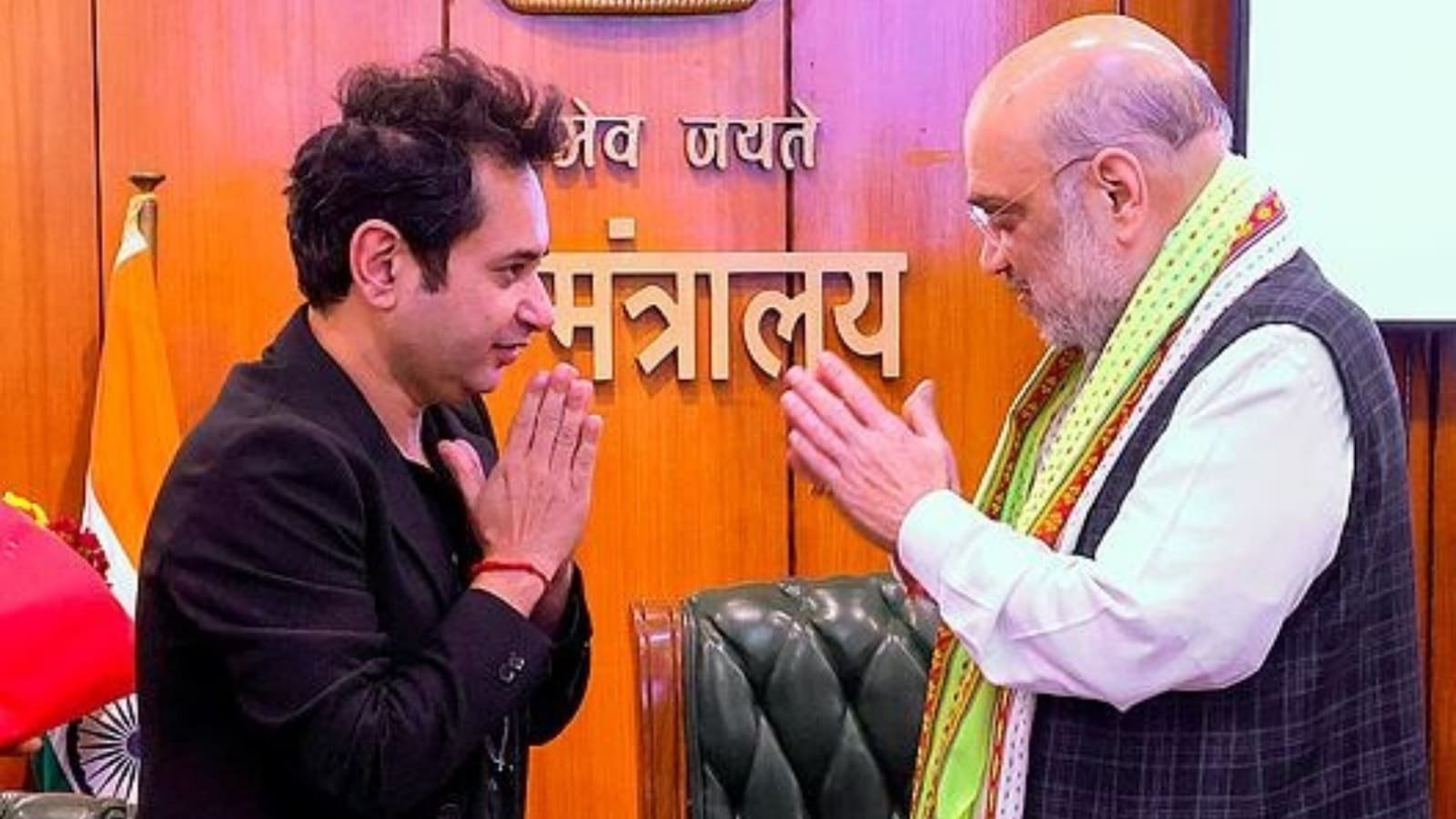
The Tiprasa Accord Implementation Demand has intensified in Tripura as Tipra Motha increased pressure on the ruling BJP government for the immediate and formal implementation of the signed agreement. Party leaders stated that indigenous communities expect swift action on promises linked to political rights, development, and constitutional safeguards outlined in the accord.
Massive Betel Nut Seizure Hits Northeast Smuggling Network
Nagaland Expands Jan Bhagidari Outreach Drive
Tipra Motha Intensifies Political Pressure
Tipra Motha has significantly escalated pressure on the BJP-led government in Tripura over the implementation of the Tiprasa Accord. Party leaders publicly demanded immediate execution of the commitments made under the signed agreement.
The political development has once again brought tribal rights and regional autonomy discussions into the center of Tripura’s political landscape. Consequently, the issue continues attracting strong attention among indigenous communities and political observers across the state.
Leaders from the party warned that delays may increase dissatisfaction among supporters expecting visible progress.
Party Demands Formal Accord Implementation
Tipra Motha leaders emphasized that the government must move beyond announcements and formally implement the provisions agreed upon in the Tiprasa Accord.
According to party representatives, indigenous communities continue waiting for concrete administrative and political action linked to the agreement. Furthermore, the party argued that timely implementation remains necessary for maintaining public trust and political stability.
The demand reflects growing expectations among tribal populations regarding long-pending governance and development concerns.
Accord Holds Major Political Importance
The Tiprasa Accord carries major political and social significance in Tripura because it addresses issues connected to indigenous identity, governance, development, and constitutional protections.
Supporters view the agreement as an important framework aimed at resolving longstanding demands raised by tribal communities. Consequently, implementation delays have become a politically sensitive issue for both Tipra Motha and the ruling government.
Observers believe the accord may continue shaping political discussions ahead of future electoral developments in the state.
BJP Government Faces Increasing Expectations
The ruling BJP government now faces mounting pressure to demonstrate visible progress regarding the accord’s implementation. Opposition groups and regional political organizations continue monitoring the government’s response closely.
Tipra Motha leaders argued that indigenous communities expect accountability and action rather than prolonged administrative delays. Additionally, political analysts noted that the issue could influence alliances and public perception within Tripura’s evolving political environment.
The government has not yet announced a detailed timeline for full implementation.
Indigenous Rights Remain Central Issue
The latest political developments once again highlighted the importance of indigenous rights and representation in Tripura’s public discourse. Tribal communities continue raising concerns regarding identity preservation, land rights, political participation, and socio-economic development.
Tipra Motha has consistently positioned itself as a major political voice advocating for indigenous interests in the state. Therefore, the accord implementation issue remains deeply connected to broader regional and cultural aspirations.
Community leaders continue urging peaceful dialogue and constructive political engagement.
Political Tensions Continue Rising
Political tensions surrounding the accord have increased as party leaders intensify public statements and organizational activities. Supporters continue demanding quicker administrative decisions and greater clarity from authorities regarding implementation mechanisms.
The issue has also generated broader political debate involving governance priorities and coalition dynamics in Tripura. Furthermore, analysts believe continued uncertainty may increase political pressure on the ruling establishment.
Several local political groups continue expressing support for faster implementation measures.
Public Discussions Gain Momentum
Public discussions regarding the accord have gained renewed momentum across Tripura following the latest statements from Tipra Motha leaders. Citizens continue debating the possible social, political, and administrative impact of the agreement.
Many supporters believe successful implementation could strengthen trust between communities and government institutions. Additionally, youth groups and community organizations continue participating actively in conversations surrounding indigenous development and constitutional safeguards.
The issue remains highly influential in regional political discourse.
Tipra Motha Strengthens Political Position
The renewed demand for implementation may also strengthen Tipra Motha’s political positioning among tribal voters and supporters. The party continues using the accord issue to reinforce its commitment toward indigenous welfare and regional representation.
Political observers noted that sustained pressure campaigns often play an important role in shaping policy discussions and administrative priorities. Consequently, the current political standoff may influence future negotiations between regional and national political forces.
The development highlights the continuing importance of regional parties in Northeast Indian politics.
Governance And Development Concerns Intersect
The accord debate also intersects with broader concerns regarding governance, development, and public administration in tribal areas of Tripura. Supporters expect improvements in infrastructure, education, healthcare, employment opportunities, and local governance systems.
Authorities may face increasing calls to balance political negotiations with visible developmental progress in indigenous regions. Furthermore, effective implementation could influence public confidence in administrative responsiveness and political commitments.
Experts stressed the importance of transparent communication and inclusive policymaking during the process.
Accord Debate Shapes Tripura Politics
The Tiprasa Accord Implementation Demand has now become one of the most important political issues in Tripura’s current landscape. Tipra Motha’s intensified pressure campaign reflects growing expectations among indigenous communities regarding timely fulfillment of political commitments.
As discussions continue between political stakeholders, the issue is likely to remain central to Tripura’s governance and electoral discourse. The coming months may prove crucial in determining how the government responds to increasing demands for formal implementation and long-term tribal development measures.
FAQs
What is Tipra Motha demanding from the government?
The party is demanding immediate and formal implementation of the Tiprasa Accord.
Why is the Tiprasa Accord important?
The accord addresses issues related to indigenous rights, governance, and development in Tripura.
Which government is facing pressure over the accord?
The BJP-led government in Tripura is facing increasing political pressure.
Why has the issue become politically significant?
The accord is closely linked to tribal aspirations and regional political dynamics.
How has Tipra Motha reacted to delays?
The party has intensified political pressure and public demands for quicker action.