


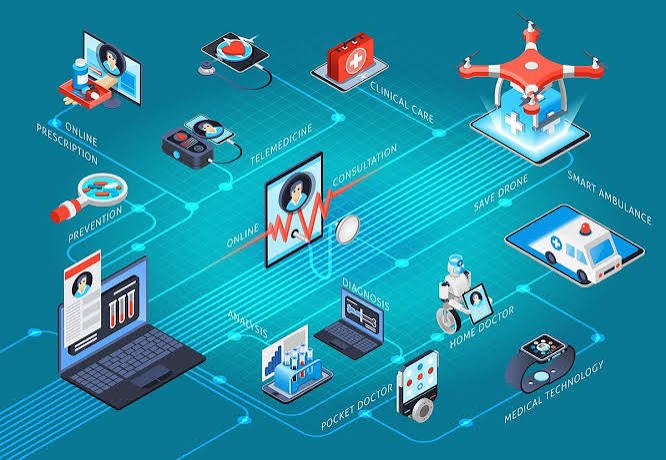
The Tele-Medicine Expansion initiative has advanced with more than 100 remote health and wellness sub-centres integrated into the national e-Sanjeevani network. The move aims to strengthen access to remote medical consultations and connect patients in underserved areas with healthcare professionals through digital technology.
Heritage Walk Tour: Shillong Groups Launch Guided Walks Covering British-Era Architecture
The Tele-Medicine Expansion brings more than 100 remote health and wellness sub-centres into the national e-Sanjeevani network. The integration creates a digital link between remote healthcare facilities and the wider medical consultation system.
Telemedicine can help patients access medical advice without travelling long distances to larger hospitals or health facilities. Moreover, digital consultations can support frontline healthcare workers when they need guidance from doctors or specialists.
The latest expansion therefore focuses on improving the reach of healthcare services in remote areas.
However, the available information does not specify the locations of the newly integrated centres, the number of patients expected to use the service, or the medical specialties available through the network.
Tele-Medicine Expansion Connects Remote Health Centres
The Tele-Medicine Expansion connects more than 100 remote health and wellness sub-centres to e-Sanjeevani.
The integration allows participating facilities to use digital technology as part of the healthcare consultation process. Furthermore, the network can help bridge geographical gaps between patients and healthcare professionals.
Remote communities often face challenges when healthcare facilities remain far from their homes. Digital consultation services can reduce the need for some patients to make long journeys for medical advice.
However, telemedicine does not replace every form of physical healthcare.
Patients who require physical examinations, diagnostic procedures, emergency treatment, or other in-person services may still need to visit appropriate medical facilities.
Tele-Medicine Expansion Strengthens Digital Healthcare Access
The Tele-Medicine Expansion represents a broader move toward digital healthcare delivery.
Digital platforms can connect health workers and patients across geographical distances. Additionally, they can provide a mechanism for remote facilities to seek professional medical guidance when appropriate.
The integration of more than 100 centres increases the number of locations connected to the national network.
However, the available information does not provide data on the number of consultations conducted through the newly integrated centres.
Therefore, the immediate effect on patient access cannot yet be measured.
Future usage data could provide a clearer picture of how frequently communities use the telemedicine service.
Tele-Medicine Expansion Can Benefit Remote Communities
The Tele-Medicine Expansion could particularly benefit communities located far from major hospitals and specialist facilities.
Patients in remote areas may face transportation difficulties and long travel times when seeking medical advice. Moreover, digital consultations can allow healthcare workers at local centres to connect with professionals without requiring every patient to travel to a distant facility.
This can potentially make routine consultations more accessible.
However, effective telemedicine requires reliable internet connectivity, suitable digital equipment, trained healthcare workers, and appropriate consultation facilities.
The available information does not provide details about the technological infrastructure installed at the newly integrated centres.
Consequently, the operational capacity of each centre remains unclear.
Tele-Medicine Expansion Supports Healthcare Workers
The Tele-Medicine Expansion can also support healthcare workers operating at remote sub-centres.
Frontline workers can encounter cases that require additional medical guidance. Furthermore, digital consultation platforms can create opportunities for them to communicate with doctors and other healthcare professionals.
Such support can strengthen the connection between primary healthcare facilities and higher-level medical services.
However, the information provided does not specify how healthcare workers will use the e-Sanjeevani network or which categories of medical professionals will provide consultations.
Therefore, the precise workflow at the newly integrated centres remains unclear.
Tele-Medicine Expansion Depends on Digital Infrastructure
The Tele-Medicine Expansion requires dependable digital infrastructure to function effectively.
Internet connectivity, electricity, computers or compatible devices, cameras, audio equipment, and trained personnel can all influence the quality of remote consultations. Moreover, technical reliability becomes particularly important in remote areas where alternative healthcare options may already be limited.
Authorities may therefore need to monitor connectivity and equipment performance at participating centres.
However, the available information does not indicate whether all 100-plus centres already have the required infrastructure or whether additional upgrades are underway.
Consequently, the readiness of individual centres cannot be assessed from the available details.
Tele-Medicine Expansion Could Reduce Unnecessary Travel
The Tele-Medicine Expansion may help reduce travel requirements for some healthcare consultations.
When medical professionals can assess appropriate cases remotely, patients may avoid travelling solely for an initial consultation. Additionally, local healthcare workers can help determine when patients need referral or in-person treatment.
This approach could make healthcare journeys more efficient for people living in distant areas.
However, telemedicine cannot address every medical need.
Patients requiring emergency intervention, physical procedures, laboratory tests, imaging, or other specialized services may still require conventional healthcare facilities.
Therefore, the e-Sanjeevani network should complement rather than replace physical medical services.
Tele-Medicine Expansion Marks Wider Digital Health Integration
The Tele-Medicine Expansion reflects the growing use of digital tools within healthcare delivery.
Integrating remote health centres into a national platform can strengthen connections between local facilities and broader healthcare systems. Moreover, a larger network can potentially expand the reach of remote consultation services across underserved communities.
The addition of more than 100 centres represents a substantial increase in the number of participating locations.
However, the available information does not identify the state or district where the integration took place or provide details about the exact rollout schedule.
Further official information could clarify the geographical scope and implementation progress.
Conclusion
The Tele-Medicine Expansion has expanded the reach of the national e-Sanjeevani network by integrating more than 100 remote health and wellness sub-centres. The development aims to improve access to digital medical consultations and strengthen connections between remote communities and healthcare professionals.
Moreover, telemedicine can help reduce travel requirements for suitable consultations and provide additional support to healthcare workers in remote locations. However, the effectiveness of the expansion will depend on reliable connectivity, appropriate equipment, trained personnel, and the availability of in-person medical services when required.
Overall, the Tele-Medicine Expansion represents an important step toward improving digital healthcare access in remote areas. Continued monitoring of consultation usage, infrastructure performance, and patient access will help determine the long-term impact of the e-Sanjeevani integration.
FAQs
1. What is the Tele-Medicine Expansion?
The Tele-Medicine Expansion involves integrating more than 100 remote health and wellness sub-centres into the national e-Sanjeevani telemedicine network.
2. What is e-Sanjeevani used for?
e-Sanjeevani provides a digital platform that supports remote medical consultations and connects healthcare facilities with medical professionals.
3. How can remote communities benefit?
Patients may access suitable medical consultations closer to home, potentially reducing the need to travel long distances for certain healthcare services.
4. Does telemedicine replace hospitals?
No. Telemedicine complements physical healthcare. Patients who require examinations, procedures, emergency treatment, or other in-person services may still need to visit healthcare facilities.
5. How many health centres joined the network?
More than 100 remote health and wellness sub-centres were integrated into the e-Sanjeevani network under the reported expansion.