


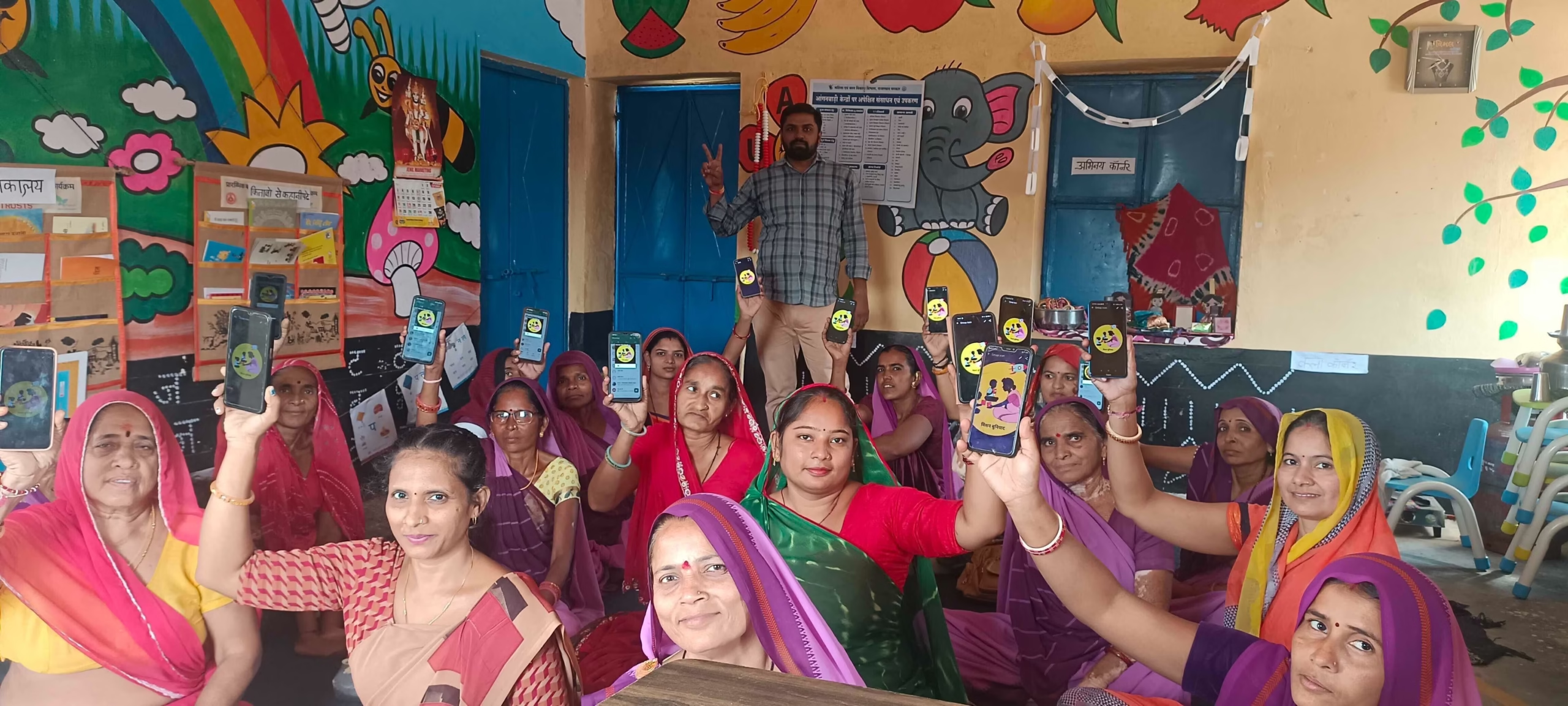
The Digital Literacy Drive has expanded into rural communities as capital administrations launched a mobile smartphone training module for village chiefs, commonly known as Gaon Burahs. The initiative aims to strengthen digital skills among local leaders and help them use smartphones and digital services more effectively in village-level administration.
Heritage Walk Tour: Shillong Groups Launch Guided Walks Covering British-Era Architecture
The Digital Literacy Drive focuses on improving smartphone skills among rural Gaon Burahs through a dedicated training module. The initiative recognizes the growing role of mobile technology in communication, public services, and administrative coordination.
Gaon Burahs often serve as important links between local communities and government authorities. Moreover, improving their digital skills can make it easier for village-level representatives to access information, communicate with officials, and use relevant online services.
The smartphone training module therefore seeks to strengthen digital participation at the grassroots level.
However, the available information does not specify the name of the administration involved, the number of Gaon Burahs participating, or the duration of the training programme.
Digital Literacy Drive Focuses on Smartphone Skills
The Digital Literacy Drive introduces structured smartphone training for rural Gaon Burahs.
Mobile phones can provide access to communication tools, digital documents, online information, and government services. Furthermore, basic smartphone skills can help local representatives manage routine digital tasks without relying entirely on other people for assistance.
The training module is designed to build these practical capabilities.
However, the information provided does not list the specific smartphone applications or digital services included in the module.
Therefore, the precise curriculum remains unclear.
Further details from the administration could explain whether the programme covers messaging platforms, online government portals, digital payments, document management, cybersecurity, or other tools.
Digital Literacy Drive Supports Grassroots Administration
The Digital Literacy Drive could strengthen communication between rural communities and government departments.
Gaon Burahs can act as local points of contact for information related to government programmes and administrative activities. Additionally, better digital skills can help them receive and share official information more efficiently.
Smartphone-based communication can reduce dependence on physical documents and repeated visits to administrative offices for certain routine tasks.
However, digital tools cannot replace all forms of local administration.
Some official processes still require physical documentation, verification, or direct interaction with government offices.
Consequently, the training should complement existing administrative systems rather than replace them entirely.
Digital Literacy Drive Can Improve Access to Information
The Digital Literacy Drive can help rural leaders access relevant information through mobile devices.
Digital platforms increasingly provide information about government programmes, public services, weather conditions, agricultural activities, and other community-related matters. Moreover, trained local representatives can potentially share verified information with residents more efficiently.
This can become particularly useful when communities need timely administrative updates.
However, the available information does not specify which information services the training module will prioritize.
Therefore, its direct impact on access to public information cannot yet be measured.
The success of the initiative will depend partly on whether participants use their new skills regularly after completing the training.
Digital Literacy Drive Promotes Responsible Smartphone Use
The Digital Literacy Drive can also provide an opportunity to promote responsible smartphone use among village leaders.
Digital literacy involves more than knowing how to operate a phone. Furthermore, users benefit from understanding basic online safety, privacy practices, secure passwords, suspicious messages, and the importance of verifying information before sharing it.
Such knowledge can help local representatives communicate more responsibly through digital platforms.
However, the available information does not confirm whether cybersecurity or online safety forms part of the training module.
Therefore, the specific digital-safety component remains unknown.
If included, such training could complement the programme’s broader smartphone skills objectives.
Digital Literacy Drive Bridges Rural Technology Gaps
The Digital Literacy Drive addresses a broader challenge involving differences in access to digital skills between urban and rural communities.
Smartphone ownership has expanded widely, but access to a device does not always mean that users can confidently operate digital applications or online services. Moreover, structured training can help people develop practical skills that they may not acquire through everyday phone use alone.
Training village chiefs can also create a potential multiplier effect if participants share their knowledge with other residents.
However, the available information does not indicate whether Gaon Burahs will receive formal certification or whether they will later conduct community-level digital training.
Consequently, the programme’s wider educational reach remains uncertain.
Digital Literacy Drive Could Strengthen Digital Governance
The Digital Literacy Drive could support broader efforts to improve digital governance at the local level.
Government departments increasingly rely on digital communication and online platforms for administrative coordination. Additionally, digitally capable village representatives may find it easier to respond to official communications and access relevant government information.
This can potentially improve coordination between local communities and administrative offices.
However, effective digital governance also requires reliable internet connectivity, electricity, functioning devices, and accessible online platforms.
The available information does not provide details about connectivity conditions in the villages participating in the programme.
Therefore, infrastructure remains an important factor in determining the programme’s effectiveness.
Digital Literacy Drive Could Benefit Rural Communities
The Digital Literacy Drive could create benefits beyond the immediate training of Gaon Burahs.
Village leaders who gain confidence with smartphones may become more capable of guiding residents toward appropriate digital services. Moreover, they can potentially help communities understand digital communications and access relevant government information.
However, the programme’s broader community impact will depend on continued engagement after the training sessions.
A one-time training programme may provide basic knowledge, while ongoing support can help participants maintain and expand their skills.
The available information does not specify whether follow-up training or technical assistance will be available.
Conclusion
The Digital Literacy Drive marks an effort to strengthen smartphone skills among rural Gaon Burahs through a dedicated training module. By improving the digital capabilities of village-level leaders, the initiative could support communication, information access, and administrative coordination between rural communities and government authorities.
Moreover, stronger digital literacy can help local representatives use smartphones more confidently and potentially guide residents toward relevant digital services. However, the available information does not specify the participating administration, number of trainees, training duration, or detailed curriculum.
Overall, the Digital Literacy Drive could contribute to stronger digital participation in rural communities if training remains practical and participants receive continued support. Reliable connectivity, device access, cybersecurity awareness, and follow-up assistance will also influence the programme’s long-term effectiveness.
FAQs
1. What is the Digital Literacy Drive?
The Digital Literacy Drive is an initiative that provides smartphone training to rural village chiefs, known as Gaon Burahs, to improve their digital skills.
2. Who will receive the training?
The training targets Gaon Burahs, or village chiefs, in rural communities.
3. Why is smartphone training important for village chiefs?
Smartphone skills can help local leaders communicate with authorities, access digital information, and use relevant online government services more effectively.
4. What topics does the training module cover?
The available information confirms a mobile smartphone training module but does not specify its complete curriculum or the particular applications and services included.
5. Could the Digital Literacy Drive benefit the wider community?
Yes. Trained Gaon Burahs could potentially share their digital knowledge with residents and help communities access appropriate online information and services.