


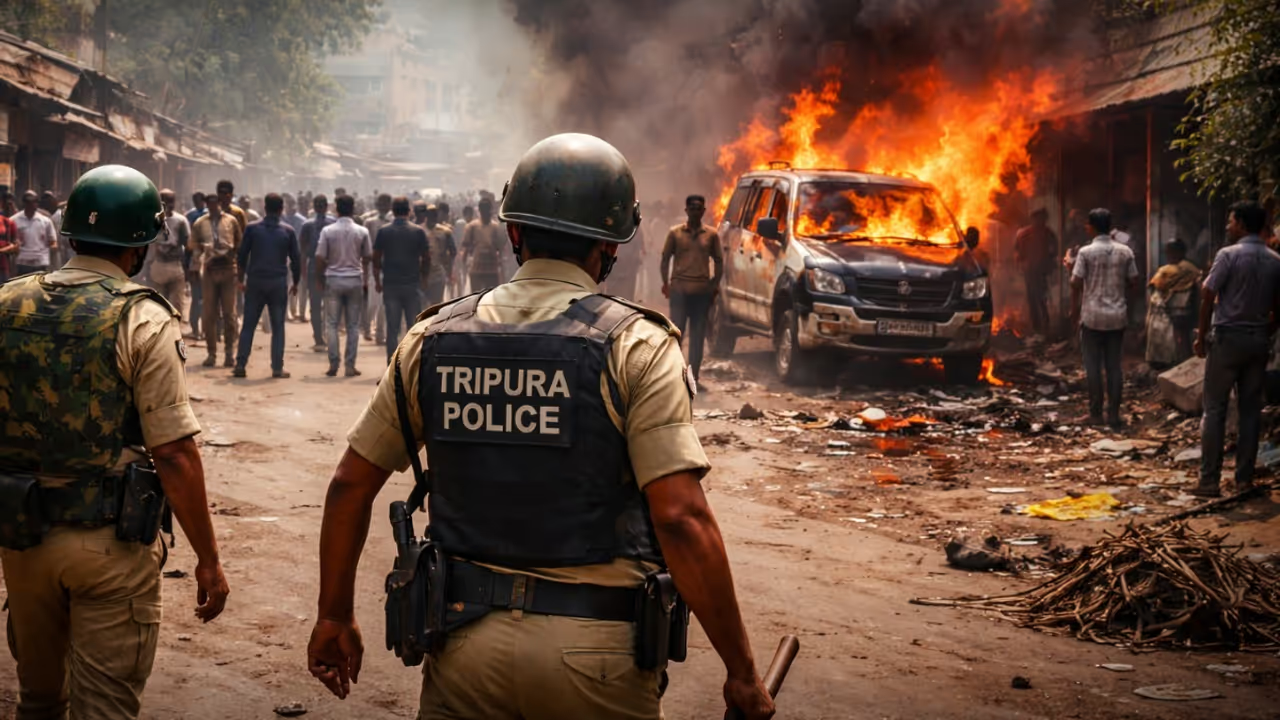
The debate around undocumented settlement gained fresh political attention after Tipra Motha Illegal Immigration concerns were raised publicly by a party legislator in Tripura. Tipra Motha MLA Ranjit Debbarma criticised both the state and central governments for what he described as insufficient action on undocumented settlers and called for stronger administrative intervention. Along with his remarks, he reportedly submitted an official list identifying subdivisions that he believes have been affected. The development has added a new dimension to political discussions surrounding governance, demographic concerns, and local administrative response in the state.
Tripura Tech-Driven Governance Push Announced
Tripura MDC Government Coordination Meeting Held
Political Context Behind The Demand
Tripura has periodically witnessed public and political discussions regarding migration, demographic balance, and border-related administration. These issues have remained sensitive because of their social, economic, and governance implications across different communities.
During recent political engagement, Tipra Motha Illegal Immigration emerged as a central point of concern raised by party leadership at the regional level. The legislator argued that stronger verification systems and administrative review mechanisms should be introduced where concerns have been reported. The remarks also reflected broader demands for closer coordination between local authorities and government institutions.
Political observers noted that migration-related debates often become significant policy discussions because they intersect with development, identity, and public administration.
Subdivisions Mentioned And Administrative Concerns
According to the statement presented by the legislator, a formal list of subdivisions was submitted to authorities for consideration. Areas including Longtharai Valley and Sabroom were highlighted as locations where concerns have reportedly been raised regarding undocumented settlement patterns.
The submission has intensified attention on local governance practices and district-level monitoring. In this context, Tipra Motha Illegal Immigration became part of a broader conversation about record verification, institutional review, and administrative accountability.
Officials are expected to examine any submissions through established legal and administrative procedures. Discussions around such issues generally involve multiple agencies and require evidence-based assessment before policy decisions are considered.
Governance Debate And Public Reactions
The issue has generated varied reactions across political and public circles. Supporters of stronger enforcement argue that administrative oversight should remain consistent and transparent in all areas where concerns are formally reported. Others emphasize the importance of following lawful procedures and maintaining social stability during any review process.
Public debate has also focused on balancing governance responsibilities with institutional safeguards. As political attention continues, Tipra Motha Illegal Immigration discussions may influence future policy conversations and administrative planning in Tripura.
Analysts suggest that political statements on sensitive issues often lead to renewed scrutiny of implementation systems and strengthen public expectations regarding accountability.
Implications For Regional Policy Discussions
The recent demand may increase pressure on administrative authorities to review existing monitoring practices and improve communication with local communities. Border management, identity documentation, and regional coordination could become stronger themes in future discussions.
At the same time, political developments may encourage broader engagement between state institutions and elected representatives regarding local concerns. Any future action would likely depend on legal procedures, administrative verification, and government decision-making processes.
Observers believe continued dialogue and transparent governance remain important for addressing public concerns effectively.
What Could Follow Next
Authorities may review submissions, examine administrative records, and determine whether further institutional action is necessary. Political stakeholders are also expected to continue raising related issues through public and legislative channels.
Future developments will depend on official assessment processes and any subsequent policy measures adopted at the state or central level. The issue is likely to remain part of ongoing political discussion in Tripura.
Conclusion
The recent statements by the Tipra Motha legislator have brought renewed focus to questions surrounding governance and administrative oversight. As debate continues, Tipra Motha Illegal Immigration has become a visible political issue connected to local concerns, institutional response, and public expectations. The next phase will depend on how authorities evaluate submitted inputs and address matters through established legal mechanisms.
FAQs
1. What issue was raised by the Tipra Motha MLA?
The legislator raised concerns related to undocumented settlement and requested stronger government action.
2. Which areas were mentioned in the submission?
Longtharai Valley and Sabroom were among the subdivisions reportedly included.
3. What did the legislator ask the government to do?
The demand focused on reviewing records and strengthening administrative response mechanisms.
4. Why is this issue receiving attention?
It connects political debate with governance, documentation, and local administration.
5. What does Tipra Motha Illegal Immigration refer to in this context?
It refers to the political demand for stronger administrative action and review of concerns raised regarding undocumented settlers.
6. What happens after such submissions are made?
Authorities generally review available information and proceed according to legal and administrative procedures.