


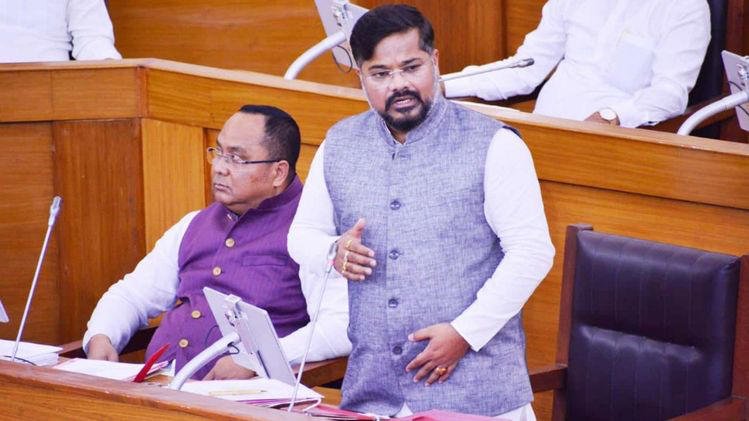
Tourist footfall in Tripura increased by 3.15 per cent during 2025-26, reflecting steady growth in the northeastern state’s tourism sector, Tourism Minister Sushanta Chowdhury said.
The rise in tourist arrivals comes as Tripura continues efforts to strengthen its tourism infrastructure, promote heritage and natural attractions and develop new destinations for visitors.
The state government has been focusing on improving tourist facilities and connectivity while highlighting Tripura’s cultural, historical and ecological attractions to a wider audience.
Tripura Records 3.15% Growth in Tourist Footfall
According to the Tourism Minister, Tripura recorded a 3.15 per cent increase in tourist footfall during 2025-26.
The growth indicates a gradual recovery and expansion of tourism activity in the state. Tourism is an important component of Tripura’s service economy and provides livelihood opportunities for people involved in hotels, restaurants, transport, handicrafts, local markets and other visitor-related businesses.
The increase in visitors could provide additional opportunities for local communities to benefit from tourism-related economic activity.
Natural and Cultural Attractions Draw Visitors
Tripura offers a combination of natural landscapes, historical sites, religious destinations and tribal cultural attractions.
The state is known for its green hills, lakes, forests and archaeological and architectural heritage. Places such as Neermahal, Ujjayanta Palace, Unakoti and Sepahijala Wildlife Sanctuary remain among the major attractions for visitors.
The state’s cultural diversity also provides opportunities for promoting traditional festivals, handicrafts, cuisine and indigenous heritage.
Developing these attractions as integrated tourism circuits could encourage visitors to stay longer and explore multiple destinations rather than limiting their trips to a few popular sites.
Government Focuses on Tourism Infrastructure
The rise in tourist numbers has increased the need for better infrastructure and visitor facilities.
The state government has been working to improve roads, accommodation, sanitation, signage and other amenities at tourist destinations.
Improved infrastructure can make destinations more accessible and enhance the overall experience for visitors.
Facilities such as parking areas, interpretation centres, rest areas and better connectivity can also encourage tourism in locations that currently receive fewer visitors.
Promoting New Tourist Destinations
The government is also looking to expand Tripura’s tourism map by promoting lesser-known destinations.
Diversifying tourist attractions can help distribute visitors across different parts of the state and reduce pressure on established sites.
New destinations can also create economic opportunities in rural and remote areas, where tourism-related activities can supplement traditional livelihoods.
Adventure tourism, eco-tourism, cultural tourism and heritage tourism could provide additional avenues for attracting visitors with different interests.
Tourism Can Generate Local Employment
An increase in tourist arrivals can have a multiplier effect on the local economy.
Hotels, homestays, restaurants, transport operators, guides, artisans and small businesses can benefit directly from increased visitor spending.
Local communities can also generate income through the sale of handicrafts, traditional products and locally produced food.
If tourism development is planned sustainably, it can create employment opportunities while encouraging communities to preserve local culture and natural resources.
Connectivity Key to Tourism Growth
Connectivity remains an important factor in determining the growth of tourism in Tripura.
Improved road, rail and air connectivity can make it easier for visitors from other parts of India and abroad to reach the state.
Agartala, as the state capital, serves as the principal gateway for tourists. Better links between Agartala and destinations in other districts can further support tourism expansion.
Efficient public transportation and last-mile connectivity are equally important for visitors travelling to remote attractions.
Heritage Tourism Offers Major Potential
Tripura’s historical and architectural heritage offers considerable potential for tourism development.
Neermahal, located in the middle of Rudrasagar Lake, is one of the state’s most prominent heritage attractions. Ujjayanta Palace in Agartala also draws visitors interested in the region’s royal history and architecture.
Unakoti, with its distinctive rock-cut sculptures, provides another major opportunity for heritage and archaeological tourism.
Improved visitor facilities and stronger promotion of these sites could help Tripura attract more domestic and international tourists.
Eco-Tourism and Nature-Based Travel
Tripura’s forests, wildlife areas and natural landscapes can support the development of eco-tourism.
Destinations such as Sepahijala Wildlife Sanctuary and other forested areas offer opportunities for nature-based tourism.
Eco-tourism initiatives can generate revenue while encouraging conservation, provided they are developed with appropriate environmental safeguards.
Community participation can further strengthen eco-tourism by allowing local residents to benefit directly from tourism-related activities.
Digital Promotion Can Expand Reach
Digital platforms are increasingly important for tourism promotion.
The state can use social media, online travel platforms and digital campaigns to showcase Tripura’s attractions to potential visitors.
High-quality photographs, videos, travel information and online booking facilities can make it easier for tourists to plan trips.
Digital promotion can also highlight lesser-known destinations and encourage visitors to explore areas beyond the state’s major tourist sites.
Need for Quality Accommodation
As tourist arrivals grow, adequate accommodation will become increasingly important.
Hotels, resorts, guesthouses and homestays can provide different options for travellers depending on their budgets and preferences.
Promoting homestays in rural areas can provide visitors with opportunities to experience local culture while generating additional income for households.
Training in hospitality, hygiene and customer service can help improve the quality of accommodation available to tourists.
Sustainable Tourism Development
While increasing tourist numbers is an important objective, the state will also need to ensure that tourism growth remains sustainable.
Unplanned development can put pressure on natural resources, heritage sites and local communities.
Responsible tourism practices can help protect Tripura’s environment and cultural heritage while allowing local economies to benefit from increased visitor numbers.
Carrying-capacity assessments and effective waste management will be important at popular destinations.
Challenges Ahead
Tripura’s tourism sector continues to face challenges, including limited accommodation in some areas, uneven connectivity and the need for greater national and international visibility.
Addressing these gaps will be important if the state wants to sustain the recent increase in tourist footfall.
Greater investment in tourism infrastructure, professional training and destination marketing could help Tripura compete more effectively with other northeastern destinations.
Tourism Growth Could Strengthen Tripura Economy
The 3.15 per cent rise in tourist footfall during 2025-26 provides an encouraging indicator for Tripura’s tourism industry.
With its combination of natural beauty, heritage sites and cultural diversity, the state has significant potential to attract more visitors.
The government’s focus on infrastructure, connectivity and new destinations could help build on the latest growth.
For the tourism sector to deliver wider economic benefits, however, increased visitor numbers will need to be matched by better facilities, sustainable development and greater participation from local communities.
Tripura Eyes Further Expansion
The latest growth in tourist arrivals suggests that Tripura is gradually strengthening its position as a tourism destination in the Northeast.
By developing heritage circuits, promoting eco-tourism, improving connectivity and expanding accommodation facilities, the state can potentially attract visitors throughout the year.
The Tourism Minister’s announcement of a 3.15 per cent increase in tourist footfall highlights the sector’s growing importance to the state’s economy.
If the government continues to invest in infrastructure while protecting Tripura’s natural and cultural assets, tourism could become an increasingly important source of employment, entrepreneurship and sustainable economic growth in the years ahead.