


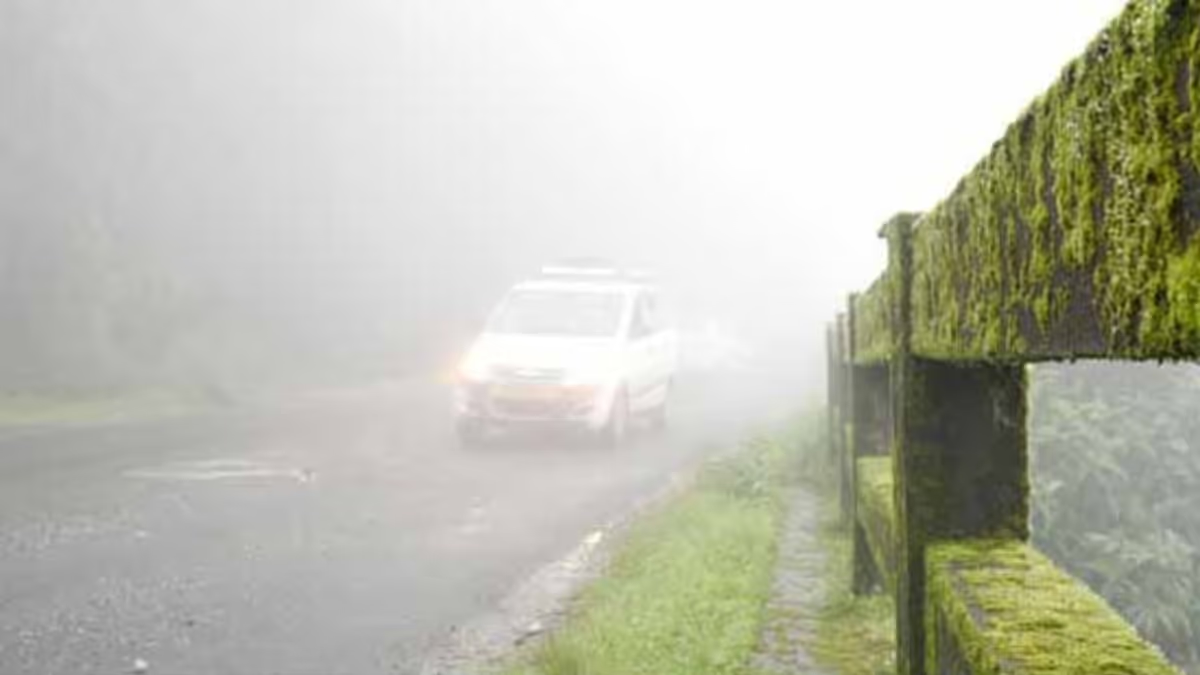
Tourist spot prohibitions are taking effect across major viewpoints in East Khasi Hills as the district administration introduces stricter restrictions on roadside cooking and littering. The measures aim to protect scenic locations from waste, smoke and unmanaged visitor activity. Moreover, the administration wants tourists to follow responsible travel practices while enjoying popular destinations. The move could support cleaner and more sustainable tourism across Meghalaya.
Delhi Surpasses Annual Rainfall Normal as Monsoon’s Final Surge Brings Heavy Showers
Tourist Spot Prohibitions Target Roadside Cooking
The East Khasi Hills administration has placed restrictions on roadside cooking at major tourist viewpoints. The decision addresses activities that can create waste, smoke and safety concerns in heavily visited locations.
Roadside cooking can also leave behind food packaging, disposable utensils and other waste when visitors fail to clean their areas. Therefore, restricting the activity can help authorities maintain cleaner surroundings.
Furthermore, popular viewpoints often attract large groups during weekends, holidays and peak tourism periods. Increased visitor numbers can put additional pressure on limited public facilities.
The administration’s approach focuses on managing visitor behaviour rather than limiting tourism itself. Consequently, tourists can continue visiting scenic locations while following rules designed to protect the surrounding environment.
Tourist Spot Prohibitions Strengthen Anti-Littering Measures
Littering remains a major challenge at busy tourist destinations. Plastic packaging, bottles, food containers and other discarded materials can quickly affect the appearance of natural viewpoints.
Moreover, unmanaged waste can create problems for local communities and sanitation workers. Stronger enforcement can encourage visitors to take greater responsibility for the waste they generate.
The administration’s restrictions therefore place cleanliness at the centre of visitor management. Tourists can contribute by carrying reusable items, using designated waste facilities and taking their waste with them when appropriate.
Additionally, local businesses and tourism operators can help spread awareness about the restrictions. Clear information at entry points and viewpoints can make it easier for visitors to understand what activities authorities prohibit.
Such cooperation can make enforcement more effective while encouraging a stronger culture of responsible tourism.
Tourist Spot Prohibitions Support Sustainable Tourism
East Khasi Hills attracts visitors because of its natural landscapes, hills, waterfalls and viewpoints. However, growing tourist activity can place pressure on these locations if visitors do not follow basic environmental practices.
Therefore, stricter rules can support the long-term sustainability of popular destinations. Clean viewpoints create a better experience for visitors while also protecting the character of the surrounding landscape.
Furthermore, responsible tourism can benefit local communities. A cleaner destination can encourage positive visitor experiences and help maintain the appeal of locations that support local tourism-related businesses.
Meanwhile, authorities can combine restrictions with awareness campaigns and adequate waste-management facilities. Rules work more effectively when visitors have clear guidance about acceptable behaviour and convenient ways to dispose of waste.
The administration’s focus on roadside cooking and littering consequently reflects a broader need to balance tourism growth with environmental protection.
Tourist Spot Prohibitions Could Improve Visitor Experience
The new restrictions could gradually change how tourists use major viewpoints across East Khasi Hills. Visitors may need to plan meals differently and avoid activities that authorities have prohibited at designated locations.
Moreover, cleaner viewpoints can create a more pleasant environment for families, travellers and local visitors. Reduced litter can also protect the visual appeal that attracts tourists to these destinations.
Effective implementation will remain important. Officials may need to monitor busy locations, communicate the rules clearly and take appropriate action when visitors disregard the restrictions.
Additionally, tourists can play an important role by respecting local regulations. Simple habits such as avoiding roadside cooking where prohibited, carrying reusable containers and disposing of waste responsibly can reduce pressure on tourist sites.
The Tourist Spot Prohibitions therefore represent an effort to protect East Khasi Hills while maintaining its appeal as a major tourism destination. With cooperation between authorities, local communities and visitors, cleaner and more sustainable viewpoints could become a lasting feature of Meghalaya tourism.
Conclusion
Tourist spot prohibitions in East Khasi Hills aim to address roadside cooking and littering at major viewpoints. The stricter measures can help reduce waste, protect scenic locations and improve visitor experiences. Moreover, responsible tourism practices can support local communities and preserve Meghalaya’s natural attractions for future visitors.
FAQs
1. What are the new tourist spot prohibitions in East Khasi Hills?
The East Khasi Hills administration has restricted roadside cooking and littering at major viewpoints.
2. Why has the administration introduced these restrictions?
The measures aim to improve cleanliness, reduce unmanaged waste and protect the environment around popular tourist locations.
3. Can tourists still visit the affected viewpoints?
Yes. The restrictions focus on specific activities such as roadside cooking and littering rather than stopping tourists from visiting the viewpoints.
4. How can tourists support cleaner tourist destinations?
Visitors can follow local rules, avoid prohibited activities, use designated waste facilities and take responsibility for the waste they produce.
5. How could the restrictions benefit Meghalaya tourism?
Cleaner and better-managed viewpoints can improve visitor experiences and help preserve the natural appeal of Meghalaya’s tourism destinations.