

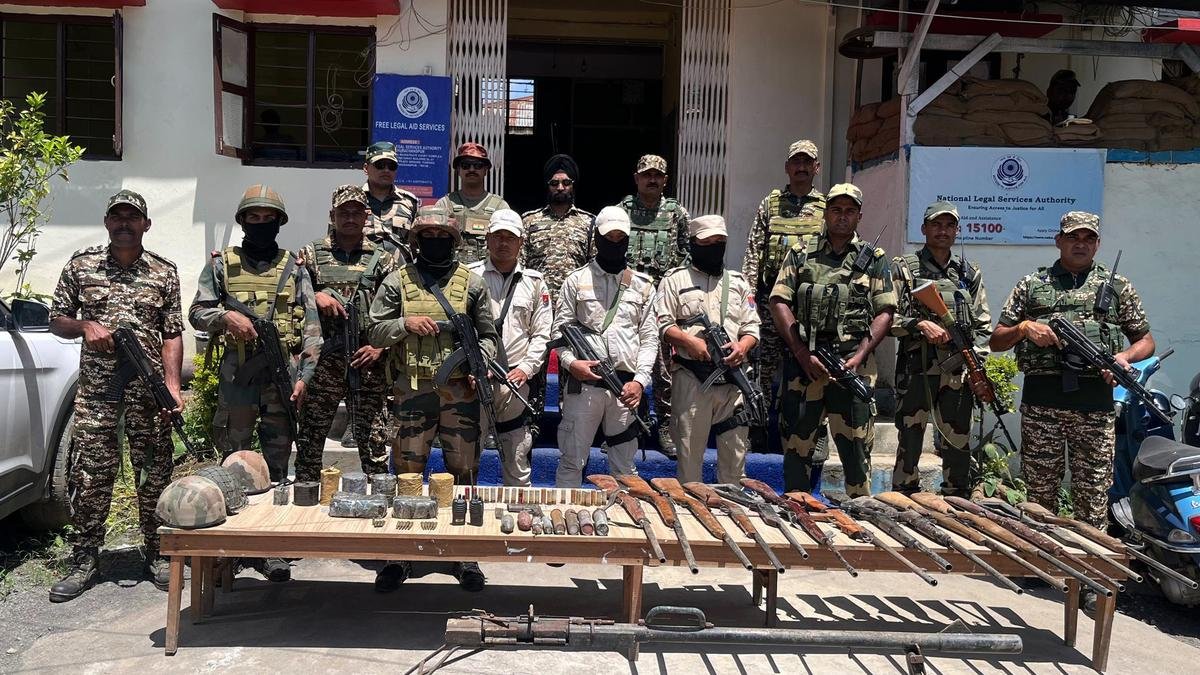
The Suspension of Operations Pact became the subject of renewed public discussion in 2026 after several tribal bodies called for its complete abrogation. The organizations presented their position through public statements, urging the government to review the existing arrangement while the issue continues through political and administrative channels.
United Naga Council Political Demands Submitted Through Four-Point Charter in 2026
The Suspension of Operations Pact came under renewed scrutiny in 2026 after tribal bodies urged the government to completely abrogate the agreement. The demand was expressed through public statements and reflected the organizations’ position on the existing security and administrative framework. Moreover, the development added another dimension to ongoing discussions surrounding governance, public policy, and regional security.
Public organizations often submit recommendations or express policy preferences on matters affecting their communities. Therefore, such statements form part of the broader democratic process through which governments receive feedback from stakeholders.
Tribal Bodies Seek Review of the Suspension of Operations Pact
Several tribal organizations publicly called for the complete abrogation of the Suspension of Operations Pact. According to their statements, they believe the existing arrangement should be discontinued and replaced with an alternative approach.
Moreover, the organizations presented their views through recognized public and administrative channels. Consequently, the demand became part of the broader policy discussion involving government authorities and community stakeholders.
The statements represent the position of the organizations and do not indicate any official government decision.
Suspension of Operations Pact Remains a Policy Issue
The Suspension of Operations Pact is an administrative and security arrangement that has periodically been the subject of public and political debate. Furthermore, different stakeholders have expressed varying opinions regarding its effectiveness and future.
Policy discussions involving security agreements typically require consultation among the concerned governments and relevant institutions. Therefore, any modification, continuation, or termination of such arrangements depends on official review and decision-making processes.
Moreover, governments generally consider multiple legal, administrative, and security factors before reaching policy decisions.
Public Statements Contribute to Democratic Dialogue
The recent calls regarding the Suspension of Operations Pact illustrate how community organizations participate in public policy discussions. Similarly, advocacy groups and civil society organizations often communicate their recommendations through memoranda, resolutions, and public statements.
Such participation enables governments to receive diverse perspectives on important public issues. Consequently, institutional dialogue remains an important component of democratic governance.
Meanwhile, no official policy change can be assumed unless it is formally announced by the competent authorities.
Future Decisions Depend on Official Review
The debate surrounding the Suspension of Operations Pact is expected to continue through established political and administrative processes. Moreover, government authorities may examine stakeholder views alongside legal, security, and governance considerations before taking any formal action.
Structured consultation helps ensure that policy decisions are based on comprehensive review rather than isolated viewpoints. Therefore, future developments will depend on official deliberations and announcements.
As discussions continue, authorities are expected to communicate any policy decisions through the appropriate institutional channels.
Conclusion
The Suspension of Operations Pact has once again become a focus of public debate following calls by tribal bodies for its complete abrogation in 2026. The demand reflects the organizations’ stated position and contributes to ongoing discussions regarding regional policy and governance.
Moreover, while stakeholder organizations may advocate specific policy changes, any decision concerning the future of the agreement remains the responsibility of the appropriate government authorities. Such decisions require formal review and established administrative procedures.
Overall, the debate over the Suspension of Operations Pact highlights the role of public participation in democratic policymaking. Future developments will depend on official consultations, legal processes, and government announcements.
FAQs
1. What is the Suspension of Operations Pact?
The Suspension of Operations Pact is a security and administrative agreement that has been the subject of public and policy discussions.
2. Who called for its abrogation?
According to the information provided, several tribal bodies publicly urged the complete abrogation of the pact.
3. Has the government announced any decision?
Based on the available information, no official decision regarding the pact has been announced.
4. Does a public demand change government policy?
No. Public statements represent the views of the organizations making them. Any policy change requires an official government decision.
5. What happens next?
Any future action regarding the Suspension of Operations Pact would depend on formal government review, consultations, and official announcements.