

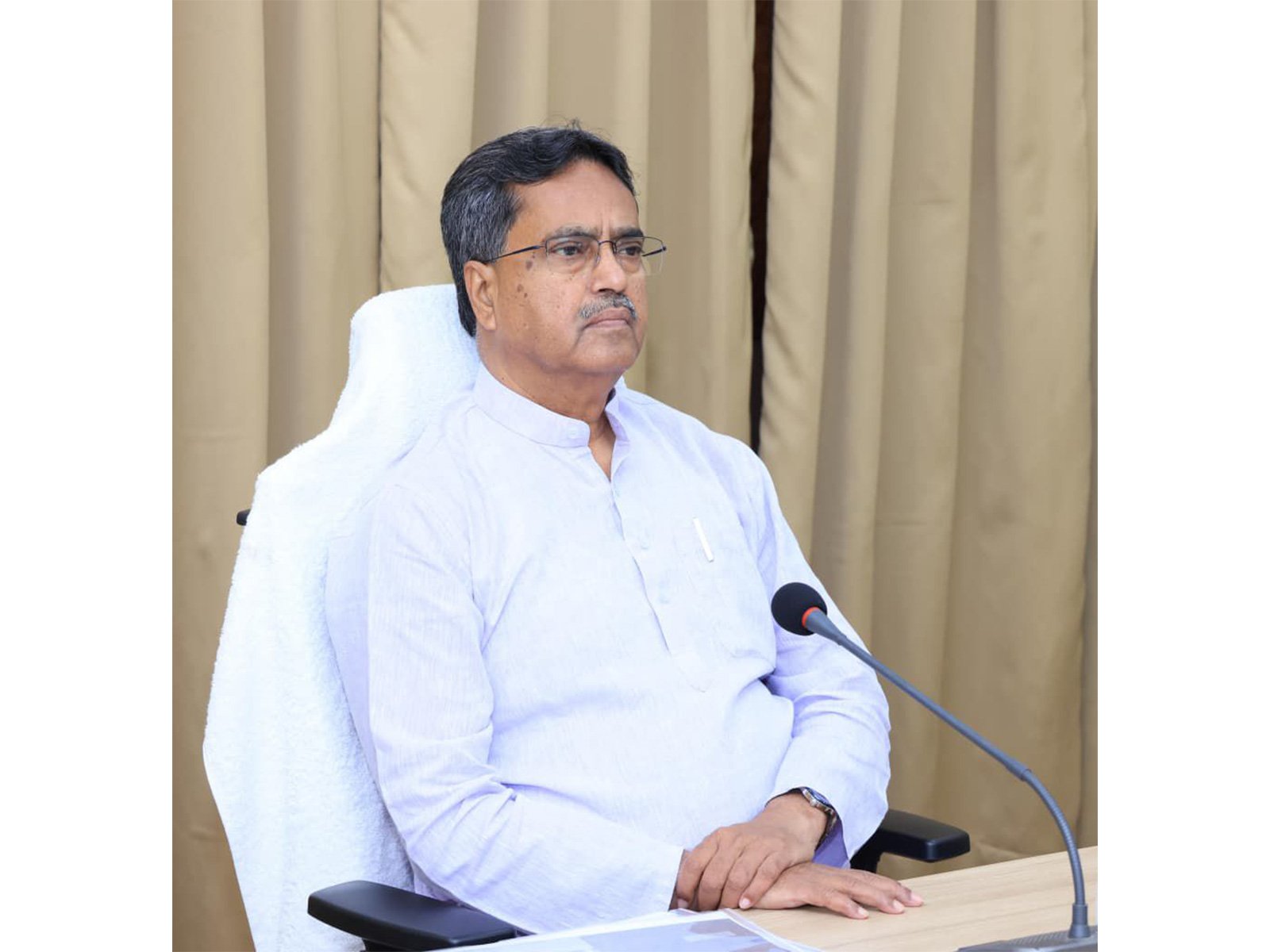
Tripura Chief Minister Dr. Manik Saha has launched a dedicated digital application designed to enhance transparency, monitoring, and accountability in municipal solid waste management operations across the state. The new digital platform aims to strengthen sanitation services through real-time monitoring, improved public participation, and data-driven governance mechanisms. Moreover, the initiative reflects the state’s broader commitment to smart governance, urban development, and environmental sustainability.
Mission SeSH Aims to Create Direct Global Revenue Channels for Indigenous Muga Silk Artisans
Congress Criticizes Delay in Formation of Fully Operational Ministry
Digital Platform Introduced to Improve Municipal Sanitation Management
The newly launched application is intended to provide a transparent and efficient mechanism for monitoring solid waste management activities undertaken by municipal bodies. Consequently, authorities expect the platform to improve operational efficiency and strengthen public oversight.
According to officials, the digital tool will enable real-time tracking of waste collection activities, sanitation operations, and service delivery performance. Moreover, the platform is expected to facilitate improved coordination among municipal authorities and enhance accountability mechanisms. Therefore, the initiative has attracted significant administrative and public attention.
Government representatives emphasized that the adoption of digital technologies can improve service delivery and strengthen citizen engagement. As a result, the application is expected to play an important role in modernizing urban governance systems.
Meanwhile, municipal authorities continue to work on expanding digital infrastructure and service integration.
Transparency and Accountability Receive Greater Focus
The launch of the digital tracking system underscores the growing emphasis on transparency and accountability in public service delivery. Moreover, digital governance tools can help authorities monitor performance, identify operational gaps, and improve administrative efficiency. Therefore, technology-driven solutions continue to receive policy priority.
Governance experts noted that digital monitoring platforms can significantly improve the effectiveness of urban management systems. Consequently, many governments have increasingly adopted technology-based approaches to enhance public service delivery and institutional accountability. Such initiatives contribute to stronger governance outcomes and improved public confidence.
Furthermore, access to real-time information can support faster decision-making and better resource management. As a result, policymakers remain optimistic about the long-term impact of the initiative.
Meanwhile, authorities continue to explore additional opportunities for digital transformation.
Smart Governance and Urban Development Prioritized
The introduction of the application aligns with broader efforts to strengthen smart governance practices and improve urban infrastructure management. Moreover, integrating technology into municipal administration can enhance operational efficiency and support sustainable development objectives. Therefore, the initiative has broader implications beyond sanitation management.
Urban development analysts observed that digital governance tools can improve service quality, reduce administrative delays, and strengthen citizen participation. Consequently, investments in technological modernization have become increasingly important components of urban policy frameworks. Such measures support long-term institutional development and public welfare.
Furthermore, improved waste management systems can contribute to environmental protection and public health outcomes. As a result, digital innovations in sanitation management continue to gain importance.
Meanwhile, municipal agencies remain focused on strengthening implementation and operational effectiveness.
Sustainable Urban Management Remains a Key Objective
The launch of the solid waste management application reflects the broader objective of promoting sustainable urban development and improving public service delivery. Moreover, authorities continue to emphasize the importance of combining technology, governance, and environmental management strategies. Therefore, digital transformation initiatives remain central to policy planning.
Experts emphasized that effective waste management systems require continuous monitoring, public participation, and institutional coordination. Consequently, governments continue to invest in digital infrastructure and administrative reforms. Such efforts contribute to improved quality of life and sustainable urban growth.
Furthermore, the successful implementation of the platform could encourage the adoption of similar technologies in other sectors. As a result, public and institutional interest in digital governance initiatives remains high.
Conclusion
The launch of the digital solid waste management tracking application by Tripura Chief Minister Dr. Manik Saha marks an important step toward improving transparency, accountability, and efficiency in municipal sanitation services. Moreover, the initiative highlights the growing role of technology in strengthening governance and promoting sustainable urban development.
As implementation of the platform progresses, its impact on public service delivery, environmental management, and administrative efficiency will continue to attract attention. Therefore, the initiative is expected to play a significant role in Tripura’s ongoing digital transformation efforts.
The latest development underscores the importance of technology-driven governance, citizen participation, and sustainable urban management in shaping the future of public administration.
FAQs
1. What was launched by Chief Minister Manik Saha?
He launched a digital application for monitoring and tracking municipal solid waste management operations.
2. What is the objective of the application?
The platform aims to improve transparency, accountability, and efficiency in sanitation services.
3. How can digital monitoring improve waste management?
It enables real-time tracking, better coordination, and improved decision-making.
4. Why is digital governance important?
It strengthens public service delivery, transparency, and administrative efficiency.
5. What broader goals does the initiative support?
The initiative supports smart governance, sustainable urban development, and environmental management.