

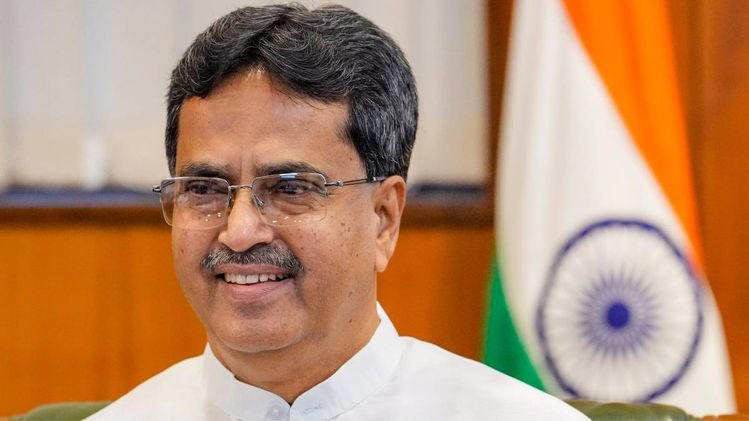
Tripura has seen a remarkable rise in revenue following the implementation of the Goods and Services Tax (GST), Chief Minister Manik Saha has noted. The CM highlighted that the “One Nation, One Tax” policy has played a crucial role in simplifying taxation and boosting revenue collection. This surge demonstrates the positive impact of GST on the state’s economy and governance.
Before GST, Tripura’s tax system consisted of multiple layers, including central excise, state VAT, and other local taxes. Businesses faced difficulties navigating the complex system, and compliance was often cumbersome. Consumers, too, felt the burden as cascading taxes raised prices on goods and services. The introduction of GST unified these taxes into a single levy, which not only simplified compliance but also created transparency in tax collection.
Read More: One Nation, One Tax” Paying Off: Tripura CM Highlights Revenue Growth Post-GST
Positive Impact of GST on Tripura’s Economy
Since its rollout, GST has contributed to a noticeable increase in Tripura’s tax revenue. CM Saha emphasized that improved compliance and systematic tax administration have played a significant role in this growth. Businesses are now more integrated into the formal economy, which has resulted in higher revenue inflow for the state.
The revenue rise has allowed the government to plan better for infrastructure projects, social welfare programs, and public services. Roads, schools, healthcare facilities, and other development projects have received a boost due to the additional resources generated through GST. The CM remarked that the steady increase in revenue reflects both the efficiency of the GST system and the cooperation of taxpayers across the state.
Simplification and Ease of Doing Business
One of the most significant benefits of GST has been the simplification of the tax structure. Earlier, businesses had to deal with different tax rates and filing procedures for central and state taxes. Now, with a single tax system, filing is simpler, compliance costs are lower, and operations are more efficient.
SMEs and larger enterprises alike have appreciated this unified structure. It has also encouraged more businesses to register formally, which has further contributed to revenue growth. CM Saha noted that the simplification not only benefits business owners but also improves the overall business climate, attracting potential investments to Tripura.
Consumer Benefits and Economic Growth
GST has also positively impacted consumers. The removal of multiple indirect taxes has reduced the cascading effect, lowering the final prices of many goods and services. As prices stabilize, consumers’ purchasing power increases, leading to higher demand for products and services. This creates a positive cycle that fuels further economic activity and benefits businesses.
The CM pointed out that the increased revenue collection allows the state to invest more in public welfare schemes. Programs aimed at education, healthcare, and rural development can be expanded, reaching a larger section of the population. The government’s ability to fund such initiatives reflects the broader economic benefits of GST.
Strengthening Governance and Transparency
Another notable effect of GST in Tripura has been improved governance and transparency. With a unified tax system, monitoring and auditing have become more streamlined. The likelihood of tax evasion has decreased, and revenue leakage is minimized.
CM Saha emphasized that the success of GST also lies in technology adoption. Digital filing, automated assessments, and tracking systems have simplified tax administration. This not only ensures compliance but also helps build trust between the government and taxpayers. Transparent processes have encouraged timely payments and reduced disputes over tax calculations.
Challenges and Measures Taken
Despite its success, implementing GST has not been without challenges. Businesses had to adjust to a new system, and some faced difficulties in understanding GST rules initially. To address this, Tripura’s government conducted workshops, awareness campaigns, and training programs for entrepreneurs and accountants.
CM Saha stated that continuous efforts are being made to ensure smooth implementation. The government has set up support systems for businesses to resolve queries quickly. Feedback mechanisms have been established to refine procedures and improve efficiency, ensuring that GST remains a contributor to economic growth.
Future Prospects
Looking ahead, CM Saha expressed optimism about Tripura’s future under the GST regime. The state plans to focus on increasing compliance further, encouraging more small businesses to enter the formal sector, and enhancing public awareness of GST benefits.
With consistent revenue growth, Tripura can continue to invest in infrastructure, health, education, and rural development. The CM highlighted that the “One Nation, One Tax” policy has not only simplified taxation but has also strengthened economic governance, paving the way for sustainable growth in the long term.
Tripura’s experience with GST demonstrates how a well-implemented tax reform can transform a state’s economy. By balancing compliance, ease of doing business, and consumer benefits, the government can achieve both fiscal stability and inclusive development.
The rise in Tripura’s revenue post-GST is a clear indication that the “One Nation, One Tax” system is paying off. CM Manik Saha’s observations underscore the policy’s success in streamlining taxation, improving compliance, and generating resources for development.
Tripura’s government has utilized this additional revenue to strengthen infrastructure, expand social welfare, and promote economic growth. Businesses and consumers have both benefited, creating a positive cycle of growth and development.
As the state continues to optimize GST implementation and ensure wider participation, the benefits are expected to grow. Tripura’s example demonstrates that careful planning, transparency, and citizen cooperation can make significant reforms like GST work effectively, supporting long-term economic prosperity.
The Tripura GST revenue growth highlights the success of fiscal reforms in enhancing state resources while benefiting businesses, consumers, and public services. With continued focus on efficiency and compliance, Tripura is set to become a model for other states looking to maximize the potential of GST.
Read More: Bengal Governor Gives 24-Hour Deadline Over Attack on BJP Leaders